Enhancing Your Garden Design with the Dangleberry Plant: A Landscaping Guide
1
Dangleberry flourishes in acidic, well-draining soil, making it suitable for diverse garden environments.
2
Introducing Dangleberry can aid in sustaining local fauna and enhancing ecological variety.
3
Dangleberry contributes a distinct visual charm to your garden through its unique development and seasonal attractiveness.
Introducing Dangleberry to Your Garden
Understanding the Growth Habit of Dangleberry
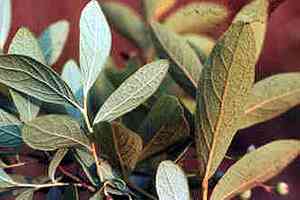
The growth pattern of Dangleberry is a key feature that can significantly enhance your garden's appearance. This plant is a deciduous shrub, meaning it sheds its leaves annually. It typically reaches a moderate height, making it perfect for creating varied layers in your garden. Dangleberry's branches arch gracefully, producing clusters of small, bell-shaped flowers in spring and abundant berries in summer. Knowing this growth habit helps in strategically placing Dangleberry where it can flourish and offer maximum visual and ecological benefits.
Seasonal Considerations for Planting Dangleberry
Timing is vital when planting Dangleberry. Ideally, you should plant this shrub in early spring or late autumn when the soil is moist and temperatures are mild. These conditions promote root development before extreme temperatures arrive, ensuring Dangleberry establishes itself well in your garden. Seasonal changes also dictate its care; during dry summer months, consistent watering is crucial, while in autumn, adding mulch helps retain moisture and protects roots from freezing.
Optimal Soil Types for Dangleberry Growth
To ensure Dangleberry thrives in your garden, planting it in well-drained, acidic soil is essential. This soil type mimics its natural environment and provides the best conditions for growth. Performing a soil test before planting is good practice to determine pH levels. If your soil isn't naturally acidic, you can amend it with organic materials like pine needles or peat moss. Additionally, ensuring good drainage will prevent root rot, a common issue with poorly drained soils.
Design Ideas with Dangleberry
Creating Focal Points with Dangleberry
One of the most effective ways to use Dangleberry in your garden is by making it a central feature. Its striking foliage and seasonal appeal make it a prominent element. You can plant Dangleberry in a noticeable spot where its flowering and fruiting stages can be fully appreciated, such as near a patio or along a garden path. This not only draws attention but also improves the overall aesthetic charm of your garden.
Borders and Edges: Utilizing Dangleberry
Dangleberry can be highly effective when used to define borders and edges in your garden. Its moderate height and dense growth habit make it an excellent natural barrier or backdrop for other plants. You can line garden beds or pathways with Dangleberry to create a soft, yet clearly defined, edge that adds structure and order to your landscape. This approach also helps in creating a smooth transition between different garden areas.
Combining Dangleberry with Other Plants
For a harmonious and visually appealing garden, consider pairing Dangleberry with other compatible plants. Choosing plants that thrive in similar soil and light conditions will ensure all elements flourish. For instance, combining Dangleberry with evergreen shrubs can provide year-round interest, while planting it alongside spring bulbs can create a layered effect with successive blooming periods. This not only diversifies the gardenâs appearance but also supports a rich ecological environment.



