Enhancing Your Garden Design with the Cape jasmine Plant: A Landscaping Guide
1
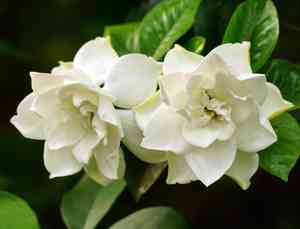
Gardenia jasminoides provides captivating white flowers that elevate aesthetic charm.
2
Optimal spots for Cape jasmine cultivation must satisfy light and substrate conditions.
3
Yearly maintenance guarantees the sustained vigor and allure of Cape jasmine.
Introducing Gardenia in Landscape Design
Appreciating the visual splendor of Gardenia
When considering ways to enhance your garden's aesthetic, few plants rival Gardenia. Renowned for its creamy-white flowers and abundant green foliage, Gardenia imparts a timeless grace that can instantly uplift any outdoor space. The striking contrast between its vivid blooms and deep green leaves fosters a visually pleasing and tranquil ambiance, making it a beloved choice among gardening aficionados. Moreover, the aroma of Gardenia's blossoms can add a fragrant dimension to your garden's sensory experience, delighting both the eyes and the nose.
The adaptable role of Gardenia in diverse garden styles
Gardenia exhibits remarkable adaptability, integrating flawlessly into various garden aesthetics. Whether your preference is for a structured garden with precisely maintained shrubs or a more relaxed, cottage-style setting, Gardenia can be tailored to meet your design preferences. You can position Gardenia as a central element in a flower bed, a border along pathways, or even in sizable containers for patio decoration. Its versatility renders it suitable for both compact urban gardens and expansive, sprawling landscapes. With Gardenia, you have the creative freedom to incorporate it into your garden in a way that complements your overall look.
Selecting the Optimal Site for Gardenia
Evaluating light and shade requirements
A crucial factor for successfully cultivating Gardenia is selecting the appropriate location regarding sun exposure and shade. Gardenia thrives best in spots that receive partial sun to dappled shade, ideally with morning sun and afternoon protection. This balance helps prevent the plant from becoming either too scorched or light-deprived. It is vital to observe your garden's natural light patterns to pinpoint the perfect position that offers ideal conditions for Gardenia. Placing it correctly will enable it to flower profusely and maintain its health throughout the growing cycle.
Considerations for ground composition and quality
Gardenia prefers well-draining, acidic soil with a pH range of 5.0 to 6.5. Prior to planting Gardenia, it is advisable to conduct a soil analysis to determine the pH and adjust it as necessary. Enriching the soil with organic matter like compost or peat moss can improve its quality, ensuring it is fertile and loose to support root development. Proper soil preparation is essential as it assists the plant's capacity to absorb water and nutrients, leading to vigorous growth and vibrant blooms. Dedicating time to optimizing the soil at the planting stage will yield long-term benefits.
Harmonizing Gardenia with Other Flora
Companion plants that flourish alongside Gardenia
Pairing Gardenia with other plants that share similar cultivation needs can foster a balanced and flourishing garden environment. Azaleas, camellias, and rhododendrons are excellent partners for Gardenia, as they also prefer acidic soil and partial shade. Furthermore, perennials such as hostas and ferns can provide a lush, understory ground cover that complements the form and color of Gardenia's flowers. The key is to select plants that will not unduly compete for nutrients and light, but rather offer a mutually beneficial growing setting.
Design approaches for tiered planting
Layered planting is a horticultural strategy that utilizes the varying heights and textures of plants to introduce depth and visual interest to the garden. When integrating Gardenia into a layered planting scheme, position taller shrubs or trees in the background and use Gardenia as an intermediate layer. Low-growing ground covers or perennials can serve as the foreground, creating an aesthetically pleasing and functional garden design. This method not only enhances your garden's visual appeal but also maximizes space, allowing different plants to flourish together without overshadowing one another.
Seasonal Care for Gardenia
Optimal times for planting Gardenia
The most favorable period to plant Gardenia is during spring or autumn when temperatures are moderate, and weather conditions are more conducive for new plant establishment. Planting in these seasons allows Gardenia to recover from transplant shock and develop robust roots before facing extreme weather. Spring planting is particularly advantageous as it provides the plant with an entire growing season to adapt and thrive.
Managing Gardenia across the changing seasons
Seasonal upkeep is vital for preserving the health and appearance of Gardenia. In warmer periods, ensure Gardenia receives ample water, especially during dry spells, to prevent the soil from completely drying out. Mulching around the base helps retain soil moisture and keep the roots cool. During colder months, protecting Gardenia from frost is crucial. Applying a thick layer of mulch around the base and covering the plant with burlap or frost cloth can shield it from harsh winter conditions. Consistent care and attention to seasonal transitions will keep Gardenia vibrant throughout the year.
Maintaining the Allure of Gardenia
Routine care advice for robust development
To maintain Gardenia's health and pristine appearance, regular care is indispensable. Water the plant consistently, ensuring the soil remains moist but not waterlogged. Feeding Gardenia with a balanced, acid-forming fertilizer during its active growth period can stimulate abundant blooms and lush foliage. It is also important to regularly inspect for pest infestations or diseases and address them promptly to prevent any harm to the plant.
Pruning and shaping techniques
Pruning is a fundamental aspect of maintaining Gardenia's form and promoting new growth. Prune after the flowering period to remove faded blooms and any dead or diseased branches. Light pruning can also be performed to shape the plant and keep it within desired size limits. Avoid aggressive pruning, as Gardenia blooms on old wood, and excessive cutting back can diminish the number of flowers for the subsequent season. Regular, careful pruning will help Gardenia maintain a neat and attractive presentation.



