Enhancing Your Garden Design with the Mangosteen Plant: A Landscaping Guide
1
Mangosteen flourishes optimally in warm, humid environments and soil that drains effectively.
2
Consistent upkeep and periodic attention guarantee Mangosteen stays robust and lively.
3
Adding Mangosteen to your landscape can boost ecological variety and elevate real estate worth.
Understanding Mangosteen Basics for Landscaping
Optimal climate and soil for Mangosteen
To successfully integrate Mangosteen into your garden, grasping its ideal growth requirements is essential. Mangosteen thrives in tropical environments with high humidity and consistent rainfall. The best temperature range is 25-35°C (77-95°F), making it suitable for areas with year-round warm weather. Regarding soil, Mangosteen prefers well-drained, sandy loam rich in organic matter. Ensuring your garden bed has a pH between 5-6.5 will also support healthy development. Proper soil preparation, like adding compost, can improve soil structure and nutrient content, providing an excellent base for Mangosteen.
Mangosteen's seasonal behavior
The seasonal patterns of Mangosteen are a key element in planning your garden layout. Mangosteen is an evergreen tree, meaning it keeps its lush, green leaves throughout the year. However, its fruiting period typically occurs between late spring and early summer. During this time, you'll observe many small, fragrant flowers that eventually develop into its distinctive fruit. It's crucial to provide sufficient water and nutrients during the flowering and fruiting stages for healthy development. Understanding this behavior will help you anticipate the visual and functional changes in your landscape across seasons.
Visual characteristics and aesthetic impact
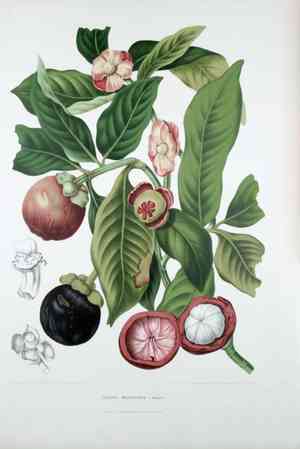
Mangosteen is valuable not only for its fruit but also for its striking visual appeal. The tree usually reaches 6-25 meters in height, with a symmetrical, pyramidal canopy. Its dark green, glossy leaves add a lush texture to your garden, while the purple or red fruit beautifully contrasts with the foliage. The tree's structure offers an elegant vertical element, making it an excellent choice for creating depth and interest in your landscape design. Whether used as a central feature or integrated into a mixed border, Mangosteen can significantly enhance your garden's aesthetic quality.
Landscape Design Concepts Using Mangosteen
Combining Mangosteen with other plants
When designing your garden with Mangosteen, consider how it complements other plants. Its evergreen nature pairs well with various tropical and subtropical flora such as hibiscus, bougainvillea, and banana plants. These combinations can create a layered, lush landscape that flourishes in similar climate conditions. Additionally, Mangosteen can be underplanted with ground covers like ferns or ornamental grasses to enhance its visual impact and provide a cohesive garden design. Grouping Mangosteen with plants of varying heights can also create a sense of fullness and diversity, making your garden more engaging and inviting.
Design tips for ground covers and focal points
Mangosteen can effectively function as both a ground cover and a focal point in your garden. For ground cover, consider planting multiple young Mangosteen trees in clusters, allowing their canopies to spread and form a natural, green carpet over time. For a more formal approach, position a single, mature Mangosteen as a central focal point in a garden bed or courtyard. Emphasize this focal point with complementary hardscape elements such as stone pathways, water features, or decorative lighting. This strategy not only highlights the beauty of Mangosteen but also integrates it seamlessly into your overall garden design.
Creating color and texture contrasts with Mangosteen
One of the most compelling aspects of Mangosteen in landscaping is its capacity to create vibrant color and texture contrasts. The dark, glossy leaves provide a stunning backdrop for brightly colored flowers and fruits. You can enhance this contrast by incorporating plants with lighter foliage or different textures, such as silver-leafed artemisias or spiky agaves. These contrasts not only add visual interest but also help to define distinct areas within your garden, guiding the eye and creating a dynamic landscape experience. Utilizing Mangosteen in this manner can transform an ordinary garden into a vibrant, textural masterpiece.
Practical Tips and Maintenance
Seasonal care guidelines for Mangosteen
To maintain a healthy and thriving Mangosteen tree, it's crucial to follow a seasonal care regimen. During the active growth period, ensure the tree receives sufficient water, especially during dry spells. Mulching around the base can help retain moisture and regulate soil temperature. In the fruiting season, applying a balanced fertilizer will support fruit development. Pruning is also vital; remove any dead or diseased branches to promote air circulation and reduce the risk of fungal infections. Regular monitoring for pests and diseases will help you address any issues early, ensuring your Mangosteen tree remains vibrant year-round.
Managing growth and spread
Managing the growth and spread of Mangosteen is relatively straightforward, given its moderate growth rate. To control its size, prune young trees regularly to shape the canopy and encourage strong, healthy branching. If you wish to limit the tree's spread, consider planting it in a large container or using root barriers. This is particularly useful in smaller gardens where space is limited. Additionally, thinning the canopy periodically will allow more light to reach the lower branches and surrounding plants, promoting a balanced and healthy garden ecosystem.
Addressing common challenges
While Mangosteen is resilient in suitable conditions, it does face challenges. Common issues include root rot from overly wet soil, leaf spot diseases, and aphid infestations. To prevent root rot, ensure proper drainage and avoid overwatering. Regularly inspect leaves for signs of disease, like brown or black spots, and treat with appropriate fungicides if necessary. For insect pests like aphids, natural remedies such as neem oil or introducing beneficial insects like ladybugs can be effective. By staying vigilant and proactive in addressing these common challenges, you can maintain the health and beauty of your Mangosteen tree.
Benefits of Including Mangosteen in Your Outdoor Space
Enhancing biodiversity and environmental benefits
Incorporating Mangosteen into your garden can significantly boost local biodiversity. As a fruit-bearing tree, Mangosteen attracts various pollinators such as bees and butterflies, supporting the broader ecosystem. The tree also provides shelter and food for birds and beneficial insects. By planting Mangosteen, you're not just adding beauty to your garden; you're contributing to environmental conservation and creating a habitat that supports wildlife diversity. Moreover, trees like Mangosteen play a vital role in carbon sequestration, helping to mitigate climate change by absorbing carbon dioxide from the atmosphere.
Aesthetic advantages and contribution to landscape beauty
Mangosteen offers numerous aesthetic advantages that can elevate the beauty of your garden landscape. Its symmetrical shape and dense foliage provide a sense of structure and formality, perfect for both contemporary and traditional garden styles. The striking contrast between its dark leaves and vibrant fruit creates visual interest, making it an eye-catching addition to any garden. Whether used as a standalone specimen or integrated into a mixed planting scheme, Mangosteen brings a touch of tropical elegance and year-round color to your outdoor space.
Increases property value and appeal
Planting Mangosteen in your garden can also have tangible economic benefits. Mature, well-maintained trees add significant value to properties by enhancing curb appeal and creating an attractive outdoor environment. Potential buyers often view established trees as valuable assets that contribute to the overall charm and desirability of a home. In addition to increasing property value, a thoughtfully landscaped garden featuring Mangosteen can offer long-term savings on energy costs, as the tree provides shade and helps to lower cooling expenses during hot weather.



