Enhancing Your Garden Design with the Snowdrop Plant: A Landscaping Guide
1
Place Snowdrop where it gets moderate to ample sunlight for optimal flowering.
2
Snowdrop pairs nicely with other flowers that bloom early, like crocuses and daffodils.
3
Consistent watering during arid periods helps Snowdrop flourish, particularly when it's actively growing.
Grasping the Function of Snowdrop in Landscaping
Why Feature Snowdrop in Your Garden Plan?
Incorporating Snowdrop into your garden plan offers numerous advantages. Renowned for its delicate yet robust form, Snowdrop serves as an ideal herald of spring. Its early blossoms infuse vitality into a garden emerging from winter's slumber. Cultivating Snowdrop can foster an inviting ambiance that signals the onset of warmer days. Its straightforward care requirements make it a suitable option for both beginner and seasoned gardeners, ensuring anyone can appreciate its subtle beauty in their outdoor area.
The Visual Charm of Snowdrop
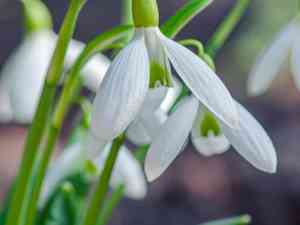
Snowdrop is highly prized for its visual appeal. This delightful plant offers a stark contrast to the often barren landscape of late winter and early spring. With its drooping white flowers and slender green leaves, Snowdrop provides a crisp and clean visual element. Its capacity to form dense clusters also aids in creating a carpet of blooms, adding a sense of continuity and cohesion to garden beds. Furthermore, Snowdrop's elegant appearance can serve as an excellent backdrop for other vibrant, colorful plants.
Seasonal Traits of Snowdrop
One of Snowdrop's most remarkable characteristics is its seasonal attributes. Blooming from late winter to early spring, Snowdrop is among the earliest flowering plants, making it a vital component in any garden designed for year-round interest. The plant's foliage typically emerges in the fall and persists through the blooming period, establishing a cycle that adds dynamic appeal across different seasons. Once flowering concludes, Snowdrop gracefully recedes, allowing other plants to take prominence without disrupting the garden's overall aesthetic.
Strategic Placement of Snowdrop in Garden Layouts
Choosing the Optimal Spot for Snowdrop
Selecting the appropriate location for Snowdrop is critical for its successful growth and integration into your landscape. Ideally, Snowdrop should be planted in an area that receives partial to full sun. This ensures ample energy for blooming while accommodating the plant's preference for cooler temperatures. Planting Snowdrop beneath deciduous trees works well, as these spots provide shaded protection in summer and sufficient light in late winter and early spring when the trees are bare. Additionally, well-drained soil is essential to prevent bulb rot and maintain plant health.
Pairing Snowdrop with Other Flora
When designing a garden featuring Snowdrop, consider combining it with other early-blooming plants such as crocuses, daffodils, and hellebores. These companions share similar flowering timelines and growth habits, creating a cohesive and stunning visual display. Grouping Snowdrop alongside these plants can produce an extended blooming period and introduce a variety of colors and textures to your garden. For continuity, consider incorporating perennials that will fill in space as Snowdrop's foliage recedes, ensuring an ever-changing yet harmonious garden view.
Influence of Sunlight and Shade on Snowdrop
Snowdrop thrives best in partial to full sunlight, but it can also endure light shade. Sunlight plays a crucial role in its blooming cycle, while excessive shade might lead to fewer flowers. Planting in areas with filtered sunlight or where morning sun is dominant can yield the best outcomes. Additionally, placing Snowdrop where it receives dappled sunlight from deciduous trees ensures it benefits from seasonal shifts in light and temperature. Monitoring how sunlight and shade interact in your garden can help you make the best planting decisions for optimal growth.
Seasonal Care and Maintenance Advice for Snowdrop
Watering Needs for Peak Growth
To achieve peak growth, maintaining proper watering schedules for Snowdrop is crucial. Although Snowdrop is relatively drought-tolerant, consistent watering during its active growth phase helps it flourish. Be sure to keep the soil uniformly moist but not waterlogged, particularly in the months leading up to and during blooming. Watering can be reduced once the plant begins to enter dormancy. Observing your garden's natural moisture levels and adjusting your watering practices accordingly will result in healthy, robust plants.
Addressing Pests and Diseases
Although Snowdrop is generally resilient, it can occasionally encounter issues with pests and diseases. Common problems include bulb rot, gray mold, and infestations from pests like slugs and snails. Preventive measures, such as ensuring well-drained soil and removing withered foliage, can significantly lessen these risks. Natural pest deterrents, like diatomaceous earth or organic slug pellets, can help manage pests effectively. Monitoring for early signs of trouble and implementing appropriate remedies can help keep your Snowdrop plants strong and healthy throughout the season.
Preparing Snowdrop for Seasonal Transitions
Preparing Snowdrop for seasonal changes involves a few simple steps to ensure continuous growth cycles. After the blooming period, allow the foliage to naturally die back, as this helps the bulbs store essential nutrients for the next growing season. In regions with harsh winters, applying a layer of mulch can safeguard the bulbs from extreme cold. During the summer, mark the locations of your Snowdrop plants to avoid accidentally disturbing them. With minimal but consistent care, your Snowdrop plants will return each year, signaling the arrival of spring.
Creative Concepts for Integrating Snowdrop in Outdoor Areas
Design Concepts That Highlight Snowdrop
Incorporating Snowdrop into your landscape design can follow various thematic approaches. For a romantic and timeless garden, use Snowdrop to create naturalistic drifts that mimic wildflower meadows. In formal gardens, Snowdrop can be planted in symmetrical patterns to provide neat, early-season interest. Woodland garden themes also benefit from Snowdrop's low-growing habit, offering a forest floor bloom that highlights the serene, untamed beauty of the space. Whether your garden is formal or naturalistic, Snowdrop can seamlessly integrate into and enhance your design theme.
Innovative Methods to Display Snowdrop
Showcasing Snowdrop can extend beyond traditional garden beds. Consider planting them in containers for a portable display of spring blooms that can be moved to different garden areas or your porch. Grouping Snowdrop in window boxes allows for a close-up view of their intricate flowers. Incorporating Snowdrop into rock gardens helps highlight their delicate structure against rugged stone backdrops. Another innovative idea is to use Snowdrop as part of a living floral arrangement, mixing it with mosses and other early bloomers for unique tabletop decorations.
Utilizing Snowdrop for Edges and Accents
Snowdrop excels as an edge and accent plant due to its neat growth habit. Planting Snowdrop along garden paths or boundaries defines these spaces with a soft, natural edge. Using it as an accent around larger shrubs or under trees allows it to add an understated elegance to more dominant plants. Creating clusters of Snowdrop at focal points, such as around statues or garden benches, draws the eye and adds a burst of early season charm. By thoughtfully using Snowdrop as borders and accents, you can add depth and interest to your outdoor spaces.



