Enhancing Your Garden Design with the Hardy fuchsia Plant: A Landscaping Guide
1
Tough fuchsia brings both vibrancy and structure to your outdoor space, making it a superb option for aesthetic appeal.
2
Placing Hardy fuchsia appropriately is vital for its development and the overall look of your outdoor area.
3
Correct care for Hardy fuchsia guarantees it stays a focal point in your garden year-round.
An Introduction to Designing with Hardy Fuchsia
Understanding the Aesthetic Charm of Hardy Fuchsia
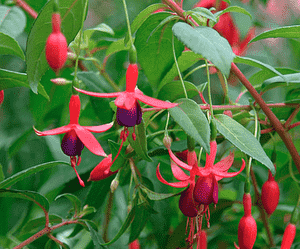
Hardy fuchsia is celebrated for its vivid and graceful blossoms, available in hues like red, purple, and pink. These colorful flowers not only captivate people but also attract hummingbirds. The plant's dense foliage and elegant, drooping branches contribute texture and movement to any garden design, creating a dynamic visual display that evolves with the seasons.
Hardy Fuchsia's Role in Enhancing Outdoor Areas
Hardy fuchsia serves as a versatile addition to various garden styles, from rustic cottage gardens to contemporary landscapes. It can function as a central feature, a border plant, or even a potted specimen on patios and balconies. Its ability to flourish in shaded spots makes it an excellent choice for filling areas beneath trees or alongside buildings, adding lushness and color to otherwise uninteresting spaces.
Selecting the Ideal Location for Hardy Fuchsia in Your Garden
Factors to Consider When Placing Hardy Fuchsia
When choosing a site for Hardy fuchsia in your garden, consider its preference for partial shade and well-draining soil. Avoid locations with heavy clay or excessively wet conditions, as these can hinder growth. Hardy fuchsia also favors spots sheltered from strong winds, which can harm its delicate branches and impede its flowering potential. Ensuring the right environment will promote healthier growth and more vibrant blooms.
How Sunlight and Soil Impact Hardy Fuchsia's Development
Hardy fuchsia thrives best in areas with indirect sunlight. Excessive direct light can scorch its leaves, while insufficient light can reduce flowering. Planting it in a location with dappled sunlight or morning sun followed by afternoon shade is optimal. Soil should be enriched with organic matter to retain moisture without becoming waterlogged. Regular mulching can help maintain soil moisture and temperature, further supporting the plant's vitality.
Integrating Hardy Fuchsia with Other Plants
Companion Plants That Complement Hardy Fuchsia Well
To achieve a cohesive garden design, pair Hardy fuchsia with plants that offer contrasting foliage and color. Hostas, ferns, and heucheras provide an excellent backdrop with their broad, textured leaves, accentuating Hardy fuchsia's delicate flowers. For additional color contrast, consider combining it with shade-loving perennials like astilbes or hydrangeas, which add height and diversity to the landscape.
Design Principles for a Harmonious Plant Arrangement
When planning your garden layout, utilize the principles of balance, repetition, and focal points. Position Hardy fuchsia as a recurring element along borders or paths to create continuity, or use it as a focal point amidst a group of green foliage plants to draw attention. Vary the heights and textures of surrounding plants to maintain interest and ensure all plants have ample space to flourish without overcrowding.
Maintaining the Aesthetic Appeal of Hardy Fuchsia
Seasonal Considerations for Peak Landscaping Beauty
To keep Hardy fuchsia looking its best throughout the year, seasonal care is crucial. In spring, add fresh mulch and composted organic matter to enrich the soil. During summer, ensure consistent watering during dry periods to prevent stress. As autumn approaches, prune any dead or damaged branches to maintain shape and encourage new growth. Protecting the plant with a layer of mulch before winter can also shield its roots from freezing temperatures.
Practical Advice for Ongoing Care and Visuals
Regularly inspect Hardy fuchsia for signs of pests or diseases, and address any issues promptly to prevent their spread. Deadhead spent flowers to encourage continuous blooming and maintain a tidy appearance. Fertilize the plant with a balanced fertilizer during the growing season to support vigorous growth. By incorporating these practices into your garden routine, you'll ensure that Hardy fuchsia remains a prominent feature in your landscape.



