Enhancing Your Garden Design with the Green ash Plant: A Landscaping Guide
1
Green ash provides continuous aesthetic appeal through its seasonal leaf transformations.
2
Cultivating Green ash aids native fauna and enhances ecological diversity.
3
Sufficient light and properly draining earth are crucial for Green ash's robust growth.
Uncovering the Allure of Green Ash in Landscape Design
Aesthetic contribution: Examine the visual impact of Green ash's leaves and form
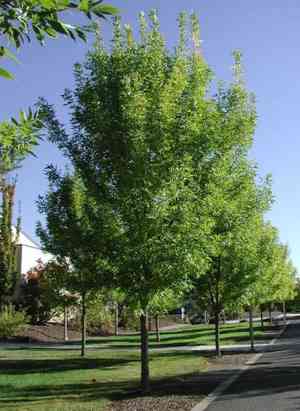
For elevating your landscape's visual appeal, Green ash stands out as an exceptional option. This tree showcases abundant green foliage, fostering a lively and welcoming atmosphere in any garden. Its balanced and well-proportioned structure imparts a sense of equilibrium and unity to the area, making it a central feature in your landscape plan. Whether you're walking through your garden or observing it from afar, the graceful outline of Green ash is sure to capture attention and enhance the overall beauty of your outdoor space.
Seasonal transformations: Detail color shifts throughout the year
A captivating characteristic of Green ash is its capacity to change with the seasons. In spring, its fresh green leaves signify new beginnings, while summer brings a deeper, richer shade of green. As autumn approaches, Green ash presents a spectacular display with its foliage turning yellow and gold, creating a warm and inviting ambiance. Even in winter, the textured bark and branching pattern of Green ash offer visual interest and contrast against the stark winter scenery. This year-round exhibition ensures Green ash remains a dynamic and engaging element in your garden.
Light and shade play: How Green ash generates dynamic shadows in garden areas
Strategic placement of Green ash can significantly improve the interplay of light and shadow in your garden. As sunlight filters through its canopy, Green ash casts intricate and ever-changing shadow patterns on the ground, paths, and nearby plants. This not only adds depth and dimension to your landscape but also creates a sense of movement and vibrancy. Whether you aim to establish a tranquil seating area or a visually intriguing pathway, Green ash can help you achieve a captivating effect with its natural shadow play.
How Green Ash Supports Environmentally Friendly Landscapes
Supporting local fauna: Discuss how Green ash provides habitat and sustenance
Integrating Green ash into your landscape design extends beyond aesthetics; it also benefits the local ecosystem. Green ash offers vital habitat and food sources for various wildlife species, including birds, insects, and small mammals. Its leaves provide shelter and nesting sites, while its seeds serve as a crucial food source, particularly during colder months. By planting Green ash, you are creating a sanctuary for wildlife, promoting biodiversity, and fostering a healthier and more balanced ecosystem in your garden.
Improving air quality: Outline Green ash's role in air purification
Green ash plays a vital role in enhancing air quality, making it an eco-friendly addition to your landscape. Through photosynthesis, Green ash absorbs carbon dioxide and releases oxygen, contributing to cleaner and fresher air. Additionally, trees like Green ash can filter out pollutants and particulate matter from the air, reducing overall air pollution levels. Planting Green ash not only beautifies your garden but also supports a healthier environment for you and your family.
Water conservation: Explore how Green ash can aid in soil moisture retention
Water management is a crucial aspect of sustainable landscaping, and Green ash can play a significant role in this regard. The root system of Green ash helps stabilize the soil and reduce erosion, while its canopy provides shade, reducing evaporation and helping to conserve soil moisture. This makes Green ash an excellent choice for gardens in regions prone to drought or water scarcity. By planting Green ash, you can contribute to more efficient water use and promote a sustainable and resilient landscape.
Practical Advice for Incorporating Green Ash into Your Garden
Selecting the ideal spot: Discuss light and soil requirements
Choosing the appropriate location for Green ash is essential for its growth and health. Green ash thrives best in areas receiving ample sunlight, at least six hours of direct sunlight daily. The soil should be well-drained with a slightly acidic to neutral pH level. Before planting, ensure the site is free from underground utility lines and provides sufficient space for Green ash to reach its full height and spread. Proper planning and site selection will lay the groundwork for a thriving and beautiful Green ash in your garden.
Design pairings: Suggestions for complementary plants and structures
To create a harmonious and visually appealing garden, consider pairing Green ash with complementary plants and structures. Evergreen shrubs, flowering perennials, and groundcovers can enhance the beauty of Green ash's foliage and provide year-round interest. Additionally, incorporating elements like garden benches, pathways, and water features can create a cohesive and inviting outdoor space. By thoughtfully combining Green ash with other design elements, you can achieve a balanced and aesthetically pleasing landscape.
Care guidelines: Key practices for ensuring health and growth without detailing specific care requirements
Maintaining the health and vitality of Green ash requires regular care and attention. Mulching around the tree's base helps retain soil moisture and suppresses weeds. Periodic pruning ensures proper structure and growth while removing any dead or diseased branches. Monitoring for pests and diseases and addressing any issues promptly will keep Green ash healthy. However, Green ash is relatively low-maintenance and resilient, making it a practical choice for gardeners of all skill levels.



