Enhancing Your Garden Design with the European ash Plant: A Landscaping Guide
1
Fraxinus excelsior flourishes in both direct sunlight and dappled light, offering flexibility for diverse garden locations.
2
Consistent trimming aids in preserving the form and vitality of European ash, ensuring enduring visual charm.
3
Account for the full-grown dimensions of European ash when designing your outdoor area to guarantee sufficient room and avoid excessive density.
Appreciating the Visual Appeal of European Ash
Highlighting the distinct visual characteristics of European ash
European ash is renowned for its grand presence, showcasing a tall, upright form that can impart height and majesty to any setting. Its leaves are composed of multiple leaflets, lending it a delicate and intricate texture. The bark of European ash exhibits a unique grey hue with a somewhat ridged surface, offering an interesting visual contrast to its green foliage. These particular traits make European ash a visually striking addition to gardens and parks.
Seasonal transformations in European ash's appearance
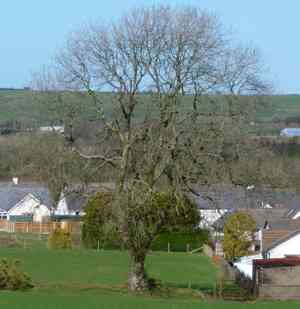
A captivating aspect of European ash is its dramatic seasonal shifts. In spring, it bursts forth with fresh, vibrant green leaves, which can revitalize any garden space. Throughout summer, European ash's dense canopy offers ample shade, turning your garden into a cool haven. As autumn approaches, its leaves transition to a beautiful golden yellow, creating a stunning visual spectacle. In winter, European ash sheds its leaves, revealing its elegant branch structure and adding a touch of tranquility to your winter landscape.
Pairing European ash with other plants for a balanced look
To maximize the impact of European ash in your garden, it's vital to combine it with suitable plants to achieve a harmonious and balanced aesthetic. Consider pairing European ash with low-growing shrubs and perennials that offer contrasting textures and colors. For instance, combining European ash with vibrant flower beds or evergreen plants can create a dynamic visual contrast. Additionally, ground covers can be utilized around the base of European ash to suppress weeds and provide a tidy appearance. By carefully selecting companion plants, you can enhance the beauty of European ash and craft a cohesive landscape design.
Selecting the Optimal Location for European Ash in Your Garden
Evaluating sunlight and soil conditions suitable for European ash
European ash is quite adaptable regarding light requirements. It thrives in both full sun and partial shade, offering flexibility in site selection. However, ensuring the tree receives sufficient light for optimal growth is crucial. As for soil, European ash prefers well-drained soil with a neutral to slightly alkaline pH. Prior to planting, it's advisable to test your soil and make any necessary adjustments, such as incorporating compost to improve drainage and nutrient content.
Strategic placement concepts for maximum impact
When integrating European ash into your landscape, consider its placement strategically to maximize its effect. Due to its impressive height, European ash can serve as a central focal point or as a backdrop for smaller plants. Planting it near pathways or along property borders can establish a natural boundary and add vertical interest. Furthermore, positioning European ash near outdoor living areas like patios or decks can provide much-needed shade and enhance the overall ambiance. The key is to envision the mature size of European ash and plan accordingly to ensure it integrates seamlessly into your landscape.
Space considerations for cultivating European ash
European ash requires ample room to grow and thrive, as it can reach considerable heights and develop a broad canopy. When planning your landscape, it's important to account for the mature size of European ash and ensure there's sufficient space for it to flourish without overcrowding other plants. A good guideline is to allow at least 10-15 feet of clearance around European ash for its roots to spread and its canopy to expand. Adequate spacing also promotes better air circulation and reduces disease risk, helping European ash maintain its health and beauty throughout its lifespan.
Integrating European Ash with Hardscaping Elements
Utilizing European ash to enhance paths and walkways
European ash can be a wonderful addition to paths and walkways, offering shade and creating an inviting atmosphere. Planting European ash along garden paths can guide the eye through the landscape, providing a sense of continuity and leading visitors through your garden. The tree's foliage can cast dappled light on pathways, adding a magical quality to your garden strolls. Ensure the tree is planted far enough from the walkway to accommodate its root system and prevent any damage to hardscape elements.
Creating focal points with European ash near patios or water features
European ash can serve as a stunning focal point when positioned near patios, decks, or water features like ponds and fountains. Its robust structure and seasonal beauty can draw attention and create a natural centerpiece for your outdoor living spaces. Placing European ash near seating areas can also provide shade and comfort, making these spots more enjoyable, especially during warmer months. The reflection of European ash in a water feature can add depth and an enchanting atmosphere to your landscape.
Tips for long-term upkeep around hardscapes
Maintaining European ash around hardscaping demands careful planning and consistent upkeep. For instance, pruning is essential to preserve the tree's shape and prevent branches from encroaching onto walkways or structures. Additionally, consider installing a root barrier if planting close to hardscape elements to prevent roots from causing damage. Mulching around the base of European ash can help retain moisture, reduce weeds, and create a tidy appearance. Regular monitoring and maintenance will ensure that European ash remains a beautiful and integral part of your landscape for years to come.
Seasonal Care Advice for European Ash
Essential care during the active growth period
During the growing season, European ash needs consistent watering, particularly during dry spells. Mulching around its base can help retain soil moisture and promote healthy growth. Fertilizing European ash in early spring with a balanced, slow-release fertilizer will supply the nutrients it requires for the year. Pruning should be carried out in late winter or early spring to remove any dead or damaged branches and to maintain the tree's form. Regular inspection for pests and diseases can detect problems early and help keep European ash healthy.
Winter preparation for European ash
Preparing European ash for winter involves several crucial steps to ensure its survival through the cold months. Begin by giving it a thorough watering before the ground freezes, as this helps the tree withstand winter drought. Applying a layer of mulch around the base of European ash can protect its roots from freezing temperatures. If you reside in an area with heavy snowfall, consider wrapping the trunk with burlap to prevent damage from ice and snow accumulation. Regular winter maintenance ensures that European ash remains healthy and ready to flourish come spring.
Adjusting care based on climatic conditions
Weather conditions often dictate specific care requirements for European ash. During hot, dry summers, additional watering may be necessary to prevent stress and dehydration. Conversely, during wet periods, ensuring proper drainage is vital to prevent root rot. Unexpected cold snaps may necessitate extra protection, such as additional mulch or frost covers. Always monitor European ash and adapt your care routines based on the current weather to maintain its health and vitality throughout the year.



