Enhancing Your Garden Design with the Chinese ash Plant: A Landscaping Guide
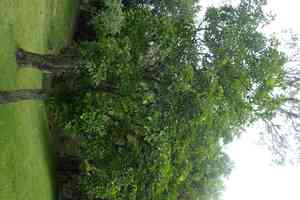
1
Chinese ash adapts well to diverse soil conditions, favoring those with good drainage.
2
The appearance of Chinese ash undergoes considerable transformation throughout the year.
3
Regular care, such as trimming, is crucial for maintaining the health and beauty of Chinese ash.
Introducing Chinese Ash in Garden Design
Brief overview of Chinese ash's characteristics
Chinese ash is recognized for its robust build and adaptable use in garden layouts. Its abundant foliage and distinctive form make it a prominent feature in any outdoor space. With elegant branches and a broad canopy, Chinese ash offers excellent shade and aesthetic appeal. Furthermore, the tree's ability to adapt to various soil types and climates makes it a practical option for many gardeners.
Initial considerations for using Chinese ash in landscape designs
When planning to incorporate Chinese ash into your garden, consider aspects such as the tree's mature dimensions, root spread, and growth rate. Ensuring adequate room for development is vital to prevent overcrowding and maintain the tree's vitality. Additionally, contemplate the overall aesthetic of your garden; Chinese ash fits well in both formal and informal settings.
Selecting the Optimal Site for Chinese Ash
Assessing soil types and drainage
Choosing the appropriate soil is critical for the well-being of Chinese ash. While it can endure various soil types, well-drained, loamy soil is ideal. Poor drainage can lead to root rot and other health problems. Before planting, test your soil for pH balance and nutrient levels to confirm it can support the tree's development. Amend the soil with compost or other organic matter if needed to enhance its structure and drainage.
Considering sun exposure and climate
Chinese ash thrives in full to partial sunlight. It is important to select a location in your landscape that receives at least 6 hours of direct sunlight daily. However, Chinese ash can also adapt to diverse climatic conditions, making it a resilient choice for various regions. Evaluate your local climate to determine if extra watering or protection during extreme weather is necessary.
Space requirements and growth potential
A key consideration when planting Chinese ash is its potential size at maturity. Ensure there is ample space for the roots to expand and the canopy to develop without interference from buildings or other trees. Planting Chinese ash too close to structures can cause issues as the tree matures. Providing it sufficient room to grow will foster a healthier, more attractive tree.
Integrating Chinese Ash with Other Plants
Complementary plant choices for Chinese ash
To create a harmonious landscape, pair Chinese ash with plants that flourish under similar conditions. Consider planting shade-loving shrubs and perennials beneath its canopy. Ground covers like hostas or ferns can also add visual interest and help retain soil moisture. These companion plants will enhance the overall aesthetic appeal and biodiversity of your garden.
Design tips for creating a cohesive look
Integrating Chinese ash into your landscape involves more than just selecting compatible plants. Group them considering their height, color, and texture to create layers of visual interest. Use Chinese ash as a focal point and design pathways or seating areas around it to draw attention to its beauty. Coordination between its placement and the overall garden design will result in a more unified and attractive landscape.
Seasonal Considerations for Chinese Ash
Visual changes across seasons
One of the highlights of incorporating Chinese ash into your landscape is its changing appearance throughout the seasons. In spring, it bursts with new leaves, providing a fresh, green aesthetic. Summer offers dense foliage and cool shade. During autumn, the leaves transition to vibrant yellows and oranges, creating a striking display. Even in winter, the tree's intricate branch structure adds visual interest to a dormant garden.
Preparing Chinese ash for different weather conditions
Proper seasonal preparation ensures the health and longevity of Chinese ash. In winter, apply mulch around the base to protect roots from freezing temperatures. During dry spells in summer, deep watering is essential to keep the tree hydrated. Regularly check for pests and diseases throughout the year, treating any issues promptly to prevent severe damage.
Maintenance Tips for Chinese Ash in Landscaping
Routine care practices
Routine care for Chinese ash includes watering, mulching, and monitoring for pests and diseases. Water the tree deeply, especially during dry periods, to encourage deep root growth. Applying mulch helps retain soil moisture and control weeds. Regularly inspect the tree for any signs of stress or pest infestations, addressing problems as they arise.
Pruning and shaping Chinese ash
Pruning is crucial for maintaining the health and shape of Chinese ash. Prune in late winter or early spring before new growth begins. Remove dead or diseased branches and thin out crowded areas to improve air circulation. Shaping the tree enhances its natural form and encourages robust growth. Proper pruning techniques will ensure the tree remains a stunning centerpiece in your landscape for years to come.



