Enhancing Your Garden Design with the White ash Plant: A Landscaping Guide
1
White ash provides striking seasonal color shifts, making it a vibrant feature in any outdoor setting.
2
Its sturdy build allows White ash to fit well into diverse landscape designs.
3
White ash fosters ecological diversity, drawing in native animals and improving the natural environment.
Appreciating the Visual Charm of White Ash
Highlighting White Ash's Visual Appeal
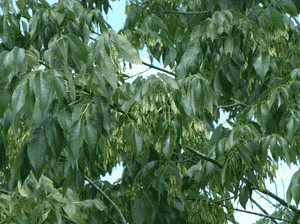
When considering adding White ash to your outdoor area, its visual allure is undeniable. With its towering, sturdy trunk and gracefully balanced canopy, White ash captures attention. Its vibrant green leaves offer soothing shade in summer and transform into a stunning display of yellows, purples, and maroons in autumn. Planting White ash can establish a focal point in your yard, bringing a sense of equilibrium and sophistication to your landscape.
Seasonal Transformations and Color Shifts of White Ash
One of White ash's most captivating attributes is its dynamic color evolution throughout the year. In spring, it unfurls fresh, lively green leaves, signaling renewal and growth. As summer progresses, these leaves deepen to a rich, dark green that is both calming and visually pleasing. By fall, White ash foliage adopts breathtaking hues, transitioning to brilliant yellows, purples, and maroons before gently falling to the ground. This seasonal variation not only adds visual interest but also ensures your landscape remains vibrant and colorful year-round.
Size and Proportion in Garden Design with White Ash
Regarding size and proportion, White ash acts as a magnificent anchor for your garden layout. Standing tall and spreading with a wide canopy, it can help define areas within your yard. Whether you opt for a single White ash as a striking centerpiece or use several for a grand avenue, these trees can significantly bolster your garden's structural framework. Their impressive height and spread make White ash suitable for larger spaces or for crafting a layered, multi-dimensional landscape.
Integrating White Ash into Various Landscaping Styles
Optimal Landscaping Styles for White Ash
White ash's adaptability makes it an excellent option for a broad spectrum of landscaping styles. Whether you're aiming for a classic, formal garden with meticulously kept lawns and distinct garden beds, or a more naturalistic setting emphasizing wildflowers and native plants, White ash fits seamlessly. Its traditional appearance complements formal designs, while its ability to blend with surrounding flora makes it perfect for more relaxed, natural landscapes. By considering your overall landscaping vision, you can effectively incorporate White ash to enhance your garden's aesthetic and functional appeal.
Pairing White Ash with Other Plant Varieties
Creating an aesthetically pleasing landscape often involves combining diverse plant species to achieve a harmonious effect. White ash complements a variety of shrubs, perennials, and groundcovers. Consider planting it alongside flowering shrubs like azaleas and rhododendrons or underplanting with shade-tolerant perennials such as hostas and ferns. This not only enhances White ash's beauty but also creates a layered look that adds depth and intrigue to your garden.
Question: What are the Best Companions for White Ash in a Garden Setting?
To maximize White ash's visual impact in your garden, consider pairing it with plants that accentuate its finest features. Early spring bulbs like daffodils and tulips can provide a burst of color beneath the tree before its leaves fully emerge. Summer-blooming perennials such as coneflowers and black-eyed Susans offer continuous appeal. In autumn, the reds and oranges of maples or the blues of asters can highlight White ash's seasonal color change. These combinations enhance your garden's overall aesthetic and ecological value.
Practical Considerations When Landscaping with White Ash
Space Requirements for White Ash
Before planting White ash, it's vital to understand its spatial needs to ensure it has ample room to grow without encroaching on other plants or structures. White ash typically requires a significant amount of space due to its wide canopy and deep root system. Planting it at a safe distance from buildings, pathways, and other trees will prevent overcrowding and allow it to reach its full potential. Proper placement also ensures it can thrive without competing for resources like sunlight and water.
Soil Preference and Sunlight Needs of White Ash
For a healthy White ash, the correct soil and sunlight conditions are crucial. White ash prefers well-drained, loamy soil that is neither too dry nor prone to waterlogging. Regarding sunlight, White ash thrives best in full sun to partial shade, needing at least four to six hours of direct sunlight daily. By ensuring these optimal growing conditions, you can enjoy a robust and flourishing White ash in your landscape.
Long-Term Growth and Maintenance Considerations
Landscaping with White ash involves ongoing care and upkeep. Regular pruning is necessary to maintain its form and remove any dead or diseased branches. Mulching around the base helps retain soil moisture and regulate temperature, while annual fertilization can support vigorous growth. Additionally, monitoring for pests and diseases will help keep your White ash strong and vibrant. Implementing these care practices will ensure your White ash remains a beautiful and essential part of your landscape for many years.
Eco-Friendly Advantages of Including White Ash in Your Garden
White Ash's Contributions to Biodiversity and Ecosystem
Incorporating White ash into your garden does more than just boost its aesthetic appeal; it also contributes to biodiversity and ecosystem health. White ash provides habitat and sustenance for various wildlife, including birds, insects, and small mammals. Its leaves, flowers, and seeds play a role in supporting local fauna, and its presence helps foster a balanced and thriving ecosystem. Planting White ash thus aids in conserving biodiversity in your area.
Enhancing Local Wildlife with White Ash
White ash serves as an excellent resource for local wildlife. Birds can find shelter and nesting spots within its branches, while its seeds offer a food source. Furthermore, pollinators such as bees and butterflies are drawn to its flowers, which can help improve pollination in your garden. By including White ash in your landscaping, you create a more welcoming and supportive environment for these important species.
Sustainability Aspects of Planting White Ash
From an environmental standpoint, White ash is a sustainable choice for your garden. As a native species, it is well-adapted to local conditions, often requiring fewer resources for maintenance once established. Its deep root system helps stabilize soil and prevent erosion, while its foliage improves air quality by filtering pollutants and producing oxygen. These sustainability aspects make White ash a valuable addition to any eco-conscious garden.



