Enhancing Your Garden Design with the Nerve plant Plant: A Landscaping Guide
1
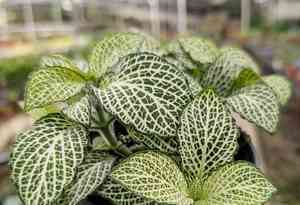
Fittonia offers a striking aesthetic due to its distinct markings and vivid hues.
2
Fittonia flourishes in moist, low-light environments, perfect for tropical and interior plant displays.
3
Consistent irrigation and diffused illumination are crucial for keeping Fittonia specimens robust.
Appreciating the Visual Appeal of Nerve Plant
Highlighting the distinct patterns and hues of Nerve plant
Nerve plant is celebrated for its striking foliage, showcasing intricate vein patterns in white, pink, or red against green leaves. This textural quality adds a dynamic element to any garden, drawing attention and creating focal points. By integrating Nerve plant into your landscape, you can break up monotonous green areas and introduce splashes of color and texture that capture and sustain interest.
Selecting the appropriate background for Nerve plant in garden designs
To enhance Nerve plant's beauty, it's crucial to consider the backdrop against which it will be situated. Darker backgrounds, such as dense, rich foliage or a shaded garden corner, can make the colors and patterns of Nerve plant appear more vivid. Lighter backgrounds can create a contrasting effect, emphasizing the vibrant veins. In mixed plantings, Nerve plant pairs well with both broad-leafed plants and fine-textured greenery, providing visual harmony that improves the overall aesthetic.
Effective applications of Nerve plant in small versus large areas
Whether you're working with a compact urban garden or an expansive landscape, Nerve plant can be effectively incorporated. In confined spaces, like container gardens or indoor settings, Nerve plant serves as a striking focal point or an attractive border plant. In larger landscapes, it can delineate paths, accentuate shaded spots, or provide colorful ground cover. The key is to maintain balance and ensure Nerve plant's vibrant patterns aren't overshadowed by surrounding plants.
Incorporating Nerve Plant into Various Garden Styles
Tropical themes: Boosting vibrancy with Nerve plant
Nerve plant is a natural fit for tropical-themed gardens, flourishing in humid, shaded conditions similar to its native habitat. By pairing Nerve plant with other tropical plants like ferns, palms, and bromeliads, you can cultivate a lush, vibrant garden that evokes a rainforest atmosphere. The colorful patterns of Nerve plant contribute to the exotic appeal, creating a vivid and dynamic landscape.
Minimalist approaches: Using Nerve plant for a subtle accent
In minimalist garden designs, where clean lines and simplicity are paramount, Nerve plant can offer a subtle yet impactful touch of color and texture. Its intricate veins can serve as a visual highlight without dominating the space. Plant Nerve plant in monochromatic containers or alongside minimalist sculptures and structures to introduce a hint of natural elegance without disrupting the serene aesthetic.
Eclectic gardens: Blending Nerve plant with diverse plant varieties
Eclectic gardens, known for their varied and sometimes unconventional plant combinations, provide an excellent environment for Nerve plant. Its unique patterns and colors allow it to integrate seamlessly with a wide range of plant species. Combine Nerve plant with succulents, grasses, flowers, and other foliage types to create a garden that showcases an array of textures and hues. The adaptability of Nerve plant shines in such settings, contributing to a rich, layered landscape.
Care Guidelines for Nerve Plant in Landscaping
Optimal environmental conditions for outdoor Nerve plant
Nerve plant thrives best in conditions that mimic its native tropical environment. This means high humidity and indirect, filtered light. When planting outdoors, choose a location that offers consistent shade, perhaps beneath a tree canopy or alongside taller shrubs that can diffuse sunlight. Ensuring the soil remains moist but well-draining is vital for Nerve plant's health. Mulching around the base can help retain moisture and maintain a humid micro-environment.
Managing sun exposure for healthy Nerve plant growth
While Nerve plant requires bright, indirect light, direct sun exposure can scorch its delicate leaves. If growing outdoors, select spots with dappled sun or shade throughout the day. Indoors, placing Nerve plant near windows with sheer curtains can provide the necessary light without risking sunburn. Regularly rotate the plants to ensure even light distribution, which will promote balanced growth and prevent the plant from becoming leggy on one side.
Watering strategies tailored to Nerve plant in various climates
Watering requirements for Nerve plant can differ based on the climate. In arid regions, frequent watering may be necessary to maintain the moist soil that Nerve plant prefers. Using a pebble tray or a humidifier can also help increase ambient humidity. In more humid climates, less frequent watering is needed, but it’s essential to ensure good drainage to prevent root rot. Consistent soil moisture, not sogginess, is the goal. Checking the top inch of soil for dryness can be a helpful indicator for when to water.
Seasonal Care and Preparation for Nerve Plant
Preparing Nerve plant for winter: essential steps
As temperatures decrease, Nerve plant may require extra care to flourish. For outdoor plants, consider taking cuttings and cultivating them indoors during the colder months. Alternatively, use frost cloths or row covers to shield them from cold snaps. Indoor plants benefit from stable temperatures, so ensure they are kept away from drafty windows or doors. Slightly reducing watering during winter can also help prevent overwatering as growth slows.
Revitalizing Nerve plant in spring for year-round vibrancy
Spring is an ideal time to invigorate your Nerve plant. Begin by gradually increasing watering and resuming regular fertilization with a balanced, water-soluble fertilizer. Prune any leggy or damaged stems to encourage bushier growth. Outdoors, you can transplant Nerve plant back to the garden or refresh the soil in their containers. Providing a dose of compost can also boost nutrients and improve soil structure.
Addressing common seasonal challenges with Nerve plant
Nerve plant can encounter various challenges throughout the seasons, from humidity fluctuations to pest infestations. To combat these, maintain consistent care routines: regular watering, balanced feeding, and proper lighting. Monitor for common pests like aphids or spider mites and treat promptly with insecticidal soap or neem oil. During seasonal transitions, be vigilant about changes in environmental conditions and adjust care practices accordingly to keep your Nerve plant thriving year-round.



