Enhancing Your Garden Design with the Chinese parasol tree Plant: A Landscaping Guide
1
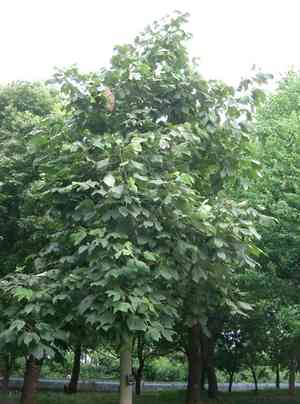
The Chinese parasol tree is recognized for its distinctive and attractive leaves, making it a prominent feature in any landscape.
2
This tree offers substantial shade, creating pleasant and welcoming outdoor areas.
3
Cultivating and caring for a Chinese parasol tree can boost your property's worth while providing ecological advantages.
Appreciating the Charm of Chinese Parasol Trees in Garden Design
Aesthetic Impact: Distinctive Leaves and Form
Integrating Chinese parasol trees into your garden design introduces a visually striking element. The tree's large, lobed leaves and unique structure create a memorable outline that can serve as a captivating focal point in your outdoor space. As it matures, the Chinese parasol tree develops attractive bark, enhancing its beauty even after leaf drop. This form not only catches the eye but also adds texture and diversity to your garden throughout the year.
Seasonal Transformations: Color Changes
One of the most appealing features of the Chinese parasol tree is its seasonal color shifts. In summer, its lush green foliage offers a cooling canopy, while autumn brings a spectacular display of golden and reddish tones. These seasonal changes ensure your landscape remains vibrant and engaging year-round. Additionally, during winter, the tree's bare branches can provide an architectural element, highlighting your garden's overall design even in dormant seasons.
Shade Provision: Crafting Comfortable Outdoor Areas
The Chinese parasol tree is an excellent option for creating shaded zones in your garden. Its expansive canopy provides significant cover, making it an ideal tree for areas where you wish to relax or entertain outdoors. By strategically placing a Chinese parasol tree, you can establish comfortable, shaded spots that shield you from the intense summer sun. This not only improves your outdoor experience but also helps lower the overall temperature in your landscape, fostering a cooler, more pleasant environment.
Integrating Chinese Parasol Trees with Other Garden Elements
Compatible Plant Pairings
When incorporating a Chinese parasol tree into your garden, it's crucial to consider complementary plant pairings. Select plants that thrive in similar conditions and possess compatible growth habits. Understory plants or ground covers that prefer partial shade can flourish beneath the Chinese parasol tree's canopy. Additionally, consider flowering shrubs or perennials that will add seasonal color and contrast to the tree's bold foliage. The right plant combinations will enhance the overall aesthetic and create a harmonious garden design.
Incorporating Hardscape Features
Hardscape elements like pathways, patios, and retaining walls can be creatively integrated with the Chinese parasol tree to enhance your landscape's functionality and visual appeal. A well-placed patio beneath the tree's canopy can create a cool, shaded retreat. Similarly, using natural stone or wood for pathways around the tree can complement its organic structure and reinforce your garden's natural theme. These hardscape features not only offer practical benefits but also highlight the beauty of the Chinese parasol tree within the landscape.
Establishing Focal Points with Chinese Parasol Trees
The Chinese parasol tree can serve as a stunning focal point in your landscape design. Position it in a prominent spot where it can be fully appreciated, such as in the center of a lawn or at the end of a garden path. Consider framing the tree with other plants or garden features to draw attention to its unique characteristics. Lighting can also play a key role; illuminating the Chinese parasol tree at night can create a dramatic and enchanting effect, ensuring it remains a focal point around the clock.
Practical Advice for Planting and Positioning Chinese Parasol Trees
Selecting the Optimal Location
Choosing the ideal spot for planting a Chinese parasol tree is vital for its health and your landscape's success. Pick a location with ample space for the tree's mature size to prevent overcrowding and competition with other plants. Consider its growth patterns and the amount of light required. Sites with abundant sunlight are generally best, but partial shade is also suitable for younger trees.
Soil and Sunlight Considerations
The Chinese parasol tree thrives in well-drained soil with a blend of sand, loam, and clay. Before planting, test your soil and amend it if necessary to ensure optimal drainage and nutrient availability. Sunlight is another critical factor; the Chinese parasol tree prefers full sun to partial shade. Ensure your chosen spot receives sufficient light throughout the day to promote healthy growth and vibrant foliage.
Spacing and Growth Management
Proper spacing is essential when planting a Chinese parasol tree to accommodate its mature size and prevent competition with other plants. Plan for at least 20-30 feet of space around the tree to allow its roots and canopy to expand. Regular pruning is important to maintain its shape and remove any dead or diseased branches. Pruning also helps in managing the tree's growth, ensuring it remains a beautiful and manageable part of your landscape.
Long-Term Advantages of Including Chinese Parasol Trees in Your Landscape
Increasing Property Value
A well-designed landscape featuring a Chinese parasol tree can significantly boost your property's value. Prospective buyers appreciate a thoughtfully planned garden, and mature trees like the Chinese parasol tree add to the aesthetic and functional appeal of the property. The presence of such a distinctive and attractive tree can be a selling point, potentially increasing your home's market value.
Environmental Benefits
The Chinese parasol tree offers several environmental advantages that contribute to the health of your garden and the surrounding ecosystem. Its broad canopy provides shade, reducing the overall temperature in your landscape and lessening the need for additional cooling. The tree also supports soil health by preventing erosion and promoting biodiversity. These advantages make the Chinese parasol tree a valuable addition to any eco-friendly garden design.
Supporting Biodiversity
Incorporating a Chinese parasol tree into your landscape supports local biodiversity by providing habitat and food sources for various wildlife. Birds, insects, and small mammals can find shelter and sustenance in its branches and around its base. By planting a Chinese parasol tree, you contribute to a healthier, more balanced ecosystem, making your garden a thriving habitat for native species.



