Enhancing Your Garden Design with the Fiddle-leaf fig Plant: A Landscaping Guide
1
The Fiddle-leaf fig provides impressive aesthetic value, serving as a prominent element in any setting.
2
Strategic positioning of the Fiddle-leaf fig can improve your garden's layout and utility.
3
Consistent care is crucial for the Fiddle-leaf fig to flourish and beautify your exterior area.
Appreciating the Allure of Fiddle-leaf Fig in Outdoor Settings
Visual Appeal: How Fiddle-leaf Fig Commands Attention
A key captivating trait of Fiddle-leaf fig is its effortless ability to draw the eye. With its sizable, lustrous foliage and distinct outline, Fiddle-leaf fig acts as a striking focal point in any outdoor space. This plant's unique aesthetic can transform an ordinary garden into a memorable area, capturing visitors' gaze and creating a point of interest. Homeowners and garden enthusiasts frequently select Fiddle-leaf fig for its capacity to elevate the beauty of their landscapes, whether used as a singular statement piece or as part of a more intricate design.
Dimensions and Form: The Distinctive Shape of Fiddle-leaf Fig
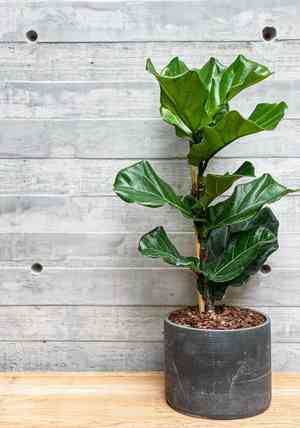
Fiddle-leaf fig is recognized for its impressive stature and unique structure. Its bold, violin-shaped leaves grow vertically, forming a prominent upright element that adds depth to flat landscapes. As Fiddle-leaf fig matures, it can reach considerable heights, making it an excellent option for those aiming to introduce a sense of scale and framework to their gardens. The plant's sturdy form can help establish a balanced arrangement, offering a solid backdrop for softer, smaller plants and enhancing the complexity of simpler garden layouts.
Selecting the Optimal Spot for Fiddle-leaf Fig
Evaluating Light and Space Needs
Correct placement of Fiddle-leaf fig is vital for its vitality and visual impact. This plant flourishes in areas with bright, indirect illumination, making it crucial to assess your garden's light conditions before planting. While Fiddle-leaf fig can endure some direct sun, excessive exposure can scorch its leaves, so ideal placement involves a balance of light and shade. Furthermore, consider Fiddle-leaf fig's spatial requirements; it needs room to expand both upward and outward. Ensuring ample space not only supports healthy development but also prevents overcrowding, allowing Fiddle-leaf fig to display its full magnificence.
Influence of Placement on Overall Landscape Design
The positioning of Fiddle-leaf fig within your landscape can significantly affect the overall layout and flow of your garden. Strategic placement of Fiddle-leaf fig can create natural pathways, frame vistas, or even serve as a living privacy screen. Consider how Fiddle-leaf fig interacts with other elements of your landscape, such as patios, walkways, or water features. Its prominent presence can complement architectural features of your home or provide a lush contrast against minimalist structures. Thoughtful placement ensures Fiddle-leaf fig enhances both the aesthetic and practical aspects of your outdoor area.
Integrating Fiddle-leaf Fig into Various Landscaping Styles
Compatibility with Minimalist Garden Designs
Fiddle-leaf fig can effortlessly blend into minimalist landscapes, where simplicity and clean lines are paramount. Its architectural form and uncluttered appearance align well with minimalist principles, offering a natural, yet structured component to the design. Utilize Fiddle-leaf fig as a focal point in a minimalist garden to introduce a natural contrast without overwhelming the tranquil environment. Pair it with simple, monochromatic elements and subtle textures to uphold the understated elegance characteristic of minimalist spaces.
Contrast in Abundant, Multi-layered Garden Compositions
In more intricate, layered garden designs, Fiddle-leaf fig can function as a striking focal point or foundational plant. Its bold leaves and robust structure contrast beautifully with delicate, fine-textured plants, adding depth and intrigue to the garden. By incorporating Fiddle-leaf fig into a lush, layered landscape, you create a dynamic visual experience, where the interplay of diverse shapes, sizes, and textures draws the eye and adds complexity to the design. Consider pairing Fiddle-leaf fig with flowering plants, ground covers, and shrubs to create a visually rich and varied garden.
Care Guidelines for Fiddle-leaf Fig in Outdoor Settings
Seasonal Considerations for Optimal Development
Caring for Fiddle-leaf fig necessitates attention to seasonal shifts to ensure its robust growth. During the active growing period, typically spring and summer, prioritize providing sufficient water and nutrients. Consistent watering is crucial, but avoid waterlogging, which can lead to root rot. As temperatures decrease in autumn and winter, reduce watering and shield Fiddle-leaf fig from frost and cold drafts. Mulching around the base can help retain moisture and regulate soil temperature. Pruning in late winter or early spring encourages new growth and maintains the plant's form.
Simple Practices to Keep Fiddle-leaf Fig Thriving Outdoors
Ensuring Fiddle-leaf fig thrives involves a few straightforward yet effective practices. Confirm the soil drains well to prevent root rot, and consider applying a balanced fertilizer during the growing season to support vigorous growth. Regularly inspect Fiddle-leaf fig for indications of pests or diseases and address any issues promptly. Wiping the leaves with a damp cloth can keep them lustrous and healthy, aiding photosynthesis. By providing appropriate care and attention, you can enjoy a healthy, vibrant Fiddle-leaf fig that enhances your landscape throughout the year.
Common Difficulties in Cultivating Fiddle-leaf Fig in Landscaped Areas
Managing Pests and Diseases
Like many plants, Fiddle-leaf fig can be vulnerable to pests and diseases. Common pests include spider mites, scale, and aphids, which can be controlled with routine inspections and suitable treatments such as insecticidal soap or neem oil. Diseases like root rot, often resulting from overwatering, necessitate well-draining soil and careful watering practices. Monitoring Fiddle-leaf fig for early signs of infestation or disease can prevent minor issues from escalating, ensuring the plant remains healthy and visually appealing.
Weather-Related Growth Problems
Weather can present challenges to growing Fiddle-leaf fig outdoors, especially in regions with extreme temperatures. Frost can harm the plant's leaves and impede growth, while intense heat can cause leaf scorch. Providing protection during severe weather conditions, such as using shade cloths in extreme heat or frost covers in cold weather, can help alleviate these problems. Additionally, monitoring local weather forecasts and adjusting care practices accordingly can help Fiddle-leaf fig adapt to changing conditions and continue to flourish.



