Enhancing Your Garden Design with the Indian Laurel Plant: A Landscaping Guide
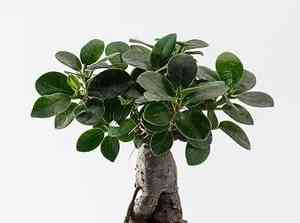
1
Introducing Indian Laurel to your outdoor area can bring a refined, tropical flair to your yard.
2
The Indian Laurel is recognized for its minimal care needs, making it manageable for both novice and experienced gardeners.
3
Integrating Indian Laurel into your garden scheme assists in forming organic points of interest and elevates the overall beauty of your exterior environment.
Introducing Indian Laurel to Your Landscape
Why Choose Indian Laurel for Your Garden?
Opting for Indian Laurel in your garden offers a variety of advantages. This tropical marvel is celebrated for its abundant, verdant foliage, which can enhance the depth and texture of your outdoor space. It's a versatile plant suitable for diverse landscape designs, from sleek modern styles to rich, tropical themes. Moreover, Indian Laurel is relatively easy to care for compared to other plants, needing minimal pruning and watering once established. Its adaptability to various soil types and environmental conditions makes it a favorite among both new and seasoned gardeners.
Initial Considerations Before Planting Indian Laurel
Before adding Indian Laurel to your garden, several key factors warrant consideration. First, evaluate your region's climate to confirm it supports the plant's growth. Although Indian Laurel tolerates various conditions, it flourishes in warm, humid settings. Furthermore, assess the available space in your garden, as Indian Laurel can grow quite large if not managed. Selecting the correct planting site is also vital, ideally a location receiving partial to full sun. Preparing the soil with sufficient nutrients and ensuring good drainage will lay the groundwork for a robust plant.
Design Ideas with Indian Laurel
Creating Focal Points with Indian Laurel
Developing focal points is an effective method to boost your garden's visual appeal, and Indian Laurel can play a crucial role in this. Its striking foliage and significant size make it ideal for establishing an eye-catching centerpiece. Whether you choose to position it at your garden's entrance to greet visitors or within a garden bed to draw attention, Indian Laurel can instill a sense of balance and harmony. For a dramatic effect, consider planting Indian Laurel in a large, decorative container, which can be strategically placed on patios or alongside garden pathways.
Combining Indian Laurel with Other Plants
When it comes to pairing Indian Laurel with other flora, the possibilities are vast. Its vivid green leaves provide an excellent backdrop for brightly colored flowering plants and can complement the textures of ornamental grasses. Additionally, matching Indian Laurel with other tropical species like palms and ferns can intensify your garden's exotic ambiance. It's important to factor in the differing light and water needs of companion plants to foster a cohesive garden environment. Incorporating a mix of evergreen and seasonal plants alongside Indian Laurel can introduce contrast and visual interest throughout the year.
Seasonal Considerations for Indian Laurel in Landscaping
Grasping the seasonal requirements and behaviors of Indian Laurel is essential for effective landscaping. During warmer months, Indian Laurel experiences peak growth and may necessitate extra watering and fertilization to maintain its lush appearance. Conversely, in colder periods, it's crucial to safeguard Indian Laurel from frost and potential cold damage. In areas with cooler climates, consider cultivating Indian Laurel in portable containers or providing protective coverings during harsh weather. Consistent monitoring of the plant and adjusting care routines according to the seasons will ensure Indian Laurel remains a stunning feature in your landscape all year long.
Maintenance Tips for Optimal Growth of Indian Laurel
Regular Care Routines for Indian Laurel
To maintain Indian Laurel in prime condition, establishing a consistent care regimen is imperative. Ensure the soil around the plant stays moist but not waterlogged, adjusting irrigation frequency based on local climate conditions. A bi-annual application of a balanced fertilizer can supply the necessary nutrients to support vigorous growth. Pruning should be carried out regularly to remove dead or damaged leaves and to shape the plant as desired. Furthermore, occasional mulching can help retain soil moisture and regulate temperature, promoting an ideal growth environment.
Troubleshooting Common Issues with Indian Laurel
Similar to any plant, Indian Laurel can be vulnerable to certain pests and diseases. Frequent problems include leaf spots, root rot, and infestations by insects such as aphids and scale. To address these issues, routinely inspect the plant for signs of stress. Yellowing leaves or stunted growth might indicate root problems or nutrient deficiencies. Natural remedies, like neem oil, can resolve minor insect issues, while more severe infestations may necessitate professional pest control services. Ensuring appropriate sunlight, water, and soil conditions will largely prevent most common issues.



