Enhancing Your Garden Design with the Fiddle-leaf fig Plant: A Landscaping Guide
1
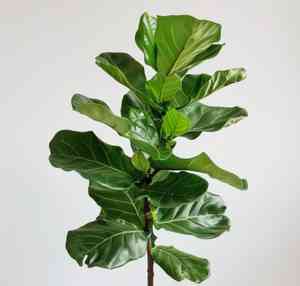
The Fiddle-leaf fig is superb for establishing a central feature in garden layouts, thanks to its prominently large, violin-shaped foliage.
2
This plant flourishes with abundant, diffused sunlight and necessitates soil that drains effectively to avert root decay.
3
Consistent trimming and appropriate maintenance contribute to sustaining the Fiddle-leaf fig's form and general vitality when grown outdoors.
Introduction to Integrating Fiddle-leaf Fig in Outdoor Design
The Visual Charm of Fiddle-leaf Fig in Exterior Environments
One of the most noticeable attributes of Fiddle-leaf fig is its captivating look. Its large, lyre-shaped leaves can infuse any outdoor setting with an exotic and refined character. Whether employed as a standalone specimen or incorporated into a larger scheme, this plant's size and distinct foliage can be truly eye-catching. It functions as both a focal point and an excellent backdrop for smaller flora, offering contrast and improving the overall visual appeal of your garden.
Grasping the Aesthetic Influence of Fiddle-leaf Fig
The aesthetic influence of Fiddle-leaf fig is undeniable. Its impressive stature and wide leaves generate a feeling of depth and dimension, making any garden space feel more opulent and intricate. By strategically placing Fiddle-leaf fig in your landscape, you can establish a natural frame or backdrop that draws attention and establishes the mood for the rest of your garden. The vibrant green leaves can also impart a calming, natural ambiance, which can perfectly complement other features like water installations or outdoor seating areas.
Advantages of Incorporating Fiddle-leaf Fig into Garden Plans
Integrating Fiddle-leaf fig into your garden offers numerous benefits. It not only boosts visual appeal but also contributes to improved air quality by filtering out pollutants. Furthermore, Fiddle-leaf fig can offer much-needed shade for more delicate plants, fostering an optimal growth environment. Its sturdy structure and resilience ensure it's a long-lasting addition to your outdoor area, keeping your garden attractive through various seasons.
Designing Your Outdoor Space with Fiddle-leaf Fig
Selecting the Ideal Spot for Fiddle-leaf Fig in Your Garden
When it comes to positioning Fiddle-leaf fig in your garden, placement is crucial. This plant flourishes in spots with bright, indirect sunlight. Consequently, it's best to avoid direct sun exposure, which can scorch its leaves. Instead, choose an area where it can get filtered light or morning sun. Ensure Fiddle-leaf fig is planted in well-draining soil to prevent root rot and allow ample room for its roots to spread and grow comfortably.
Companion Plants that Enhance Fiddle-leaf Fig's Visuals
Pairing Fiddle-leaf fig with complementary plants can significantly uplift your landscape design. Consider combining it with plants featuring contrasting leaf forms, dimensions, and hues to forge a dynamic visual effect. For example, ferns, ornamental grasses, or flowering shrubs can be excellent partners, providing a varied texture and color palette that accentuates Fiddle-leaf fig's unique characteristics. Grouping plants of different heights will also introduce layers and depth to your garden.
Styling Pointers for Achieving a Harmonious Look with Fiddle-leaf Fig
Achieving a harmonious look with Fiddle-leaf fig requires meticulous planning and consideration of your garden's overall aesthetic. Begin by identifying the focal points in your landscape where Fiddle-leaf fig can have the greatest impact. Utilize principles of symmetry and asymmetry to balance its size and form with other garden components. Remember, often less is more; Fiddle-leaf fig's strong presence means it should be used judiciously to avoid overpowering the area. Incorporate pathways, garden furniture, and other structural elements to complete the design.
Maintaining Fiddle-leaf Fig in an Outdoor Setting
General Upkeep Guidelines for Fiddle-leaf Fig in Landscape Design
Keeping Fiddle-leaf fig healthy and vibrant in a landscaped environment demands regular care. A key task is ensuring it receives sufficient water without over-irrigating. Check the soil moisture frequently and water when the top inch feels dry. Additionally, fertilizing Fiddle-leaf fig with a balanced, slow-release nutrient during the growing season will supply essential nourishment. Pruning is also vital for preserving its shape and removing any dead or damaged foliage.
Seasonal Care Adjustments for Optimal Fiddle-leaf Fig Health
Different seasons necessitate distinct care routines for Fiddle-leaf fig. During warmer periods, more frequent watering and feeding are required as the plant actively grows. Conversely, in colder months, reduce irrigation frequency as plant growth diminishes. It's also wise to shield Fiddle-leaf fig from cold drafts and frost by relocating it to a more protected spot if feasible. Applying mulch around its base can help retain moisture and safeguard roots from temperature shifts.
Addressing Common Issues Faced by Fiddle-leaf Fig Outdoors
Like any plant, Fiddle-leaf fig can encounter certain difficulties when cultivated outdoors. Typical problems include leaf shedding, yellowing foliage, and pest infestations. Leaf drop can signal abrupt changes in temperature or humidity, while yellow leaves often point to overwatering or nutrient deficiencies. Pest issues such as spider mites or scale insects can be managed by regularly inspecting the leaves and applying organic insecticides or neem oil as necessary. Keeping these problems under control will ensure Fiddle-leaf fig remains a stunning feature in your garden.
Showcasing Landscape Projects Featuring Fiddle-leaf Fig
Real-world Examples of Fiddle-leaf Fig Enhancing Garden Spaces
To truly grasp Fiddle-leaf fig's impact, let's examine some actual landscaping projects. In one suburban garden, a thoughtfully placed Fiddle-leaf fig became the focal point of a tropical-themed backyard. Surrounded by smaller tropical plants and a water feature, the Fiddle-leaf fig elevated the space's exotic feel. In another instance, city dwellers used Fiddle-leaf fig in their rooftop garden, where its tall stature and broad leaves provided both privacy and a touch of greenery amidst the urban panorama.
Innovative Installations and Designs Incorporating Fiddle-leaf Fig
The creative possibilities for utilizing Fiddle-leaf fig in landscaping are vast. Some gardeners integrate them into container gardens for a more adaptable design that can be repositioned as needed. Others employ Fiddle-leaf fig in vertical gardens, where its upright growth complements other climbing and trailing plants. In landscape installations, Fiddle-leaf fig can also be used to form natural privacy screens or to delineate distinct garden zones. The potential is only limited by your imagination.
How Fiddle-leaf Fig Can Be Used Across Various Landscaping Styles
Whether your garden style leans towards contemporary minimalism or a lush, tropical haven, Fiddle-leaf fig can integrate seamlessly. For modern landscapes, its clean lines and striking outline can complement geometric plantings and hardscapes like sleek stone paths or minimalist water features. In more eclectic or tropical gardens, pairing Fiddle-leaf fig with vibrant, flowering plants and diverse foliage can create a lively, dynamic look. Even in traditional English gardens, using Fiddle-leaf fig as a focal point amidst classic floral borders can add a distinctive flair.



