Enhancing Your Garden Design with the Rubber tree Plant: A Landscaping Guide
1
A Rubber tree brings an exotic, sophisticated touch to any outdoor space.
2
Thoughtful placement of a Rubber tree can enhance your garden's aesthetic and establish natural points of interest.
3
Consistent care for your Rubber tree guarantees it stays robust and lively all year long.
Introducing the Rubber Tree into Your Landscape
Understanding the Unique Traits of the Rubber Tree
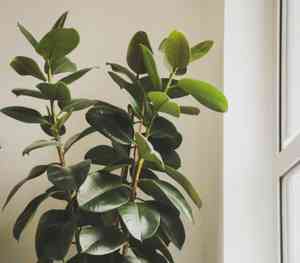
The Rubber tree is a versatile plant, celebrated for its broad, lustrous leaves and sturdy growth. This tropical species thrives both indoors and outdoors, adapting well to diverse conditions. With its impressive stature and dense foliage, the Rubber tree excels at creating privacy barriers or adding vertical accents to a garden. Its ability to prosper in filtered light and withstand varying temperatures makes it an ideal choice for a range of landscape designs.
Advantages of Using Rubber Trees in Outdoor Environments
Integrating the Rubber tree into your landscape not only elevates its visual appeal but also provides practical benefits. The plant's thick leaves assist in purifying the air by removing toxins, thus enhancing air quality. Furthermore, its evergreen nature ensures your garden remains vibrant and green throughout the year, offering continuous life and color. Additionally, the robust roots of the plant help prevent soil erosion, making it a functional as well as an ornamental addition to any landscape.
Landscape Design Principles for Rubber Trees
Selecting the Optimal Location for Your Rubber Tree in the Garden
Choosing the correct placement for a Rubber tree in your garden is vital for its growth and the overall aesthetic of your landscape. Rubber trees flourish best in spots with indirect or dappled sunlight; positioning them under the canopy of larger trees or in shaded garden areas works well. Ensure the soil drains efficiently, as too much moisture can cause root rot. When planting, account for the Rubber tree's mature size, allowing ample room to grow without encroaching on nearby plants.
Plants That Complement the Rubber Tree in Landscape Design
Pairing the Rubber tree with suitable companion plants can significantly enhance your garden's visual interest. Consider using groundcovers such as creeping thyme or ornamental grasses to create textural contrast with the Rubber tree's bold foliage. Flowering plants like hydrangeas or impatiens can be planted nearby to introduce a burst of color. Moreover, incorporating ferns or hostas can contribute to a lush, tropical atmosphere, complementing the aesthetic the Rubber tree brings to the area.
Rubber Tree Maintenance Tips for Landscaping
Seasonal Care for Rubber Trees in Various Climates
Proper Rubber tree care requires an understanding of its seasonal needs based on your local climate. In warmer regions, consistent watering during dry periods is crucial for plant hydration. Applying mulch around the base can help maintain soil moisture and regulate temperature. In cooler climates, frost protection is necessary since Rubber trees are sensitive to cold. Moving potted Rubber trees indoors or covering outdoor plants with frost cloths can prevent winter damage. Pruning dead or damaged leaves keeps the plant healthy and encourages new growth.
Addressing Common Issues with Rubber Trees in Landscaping
Like all plants, Rubber trees can encounter problems such as pests or diseases. Common pests include spider mites and scale insects, which can be managed with regular applications of horticultural oil or insecticidal soap. Excessive watering or poor drainage can lead to root rot; thus, ensure the soil drains well and avoid saturating the plant. Yellowing leaves might signal nutrient deficiencies or watering problems, so adjusting fertilization routines or irrigation schedules can help. Regularly inspect the plant and take prompt action to resolve any issues to ensure the Rubber tree thrives.
Innovative Uses of Rubber Trees in Landscape Design
Creative Design Concepts Featuring the Rubber Tree
Unleash your creativity with the Rubber tree by integrating it into your landscape design in unique and artistic ways. Using the Rubber tree as a central focus in garden beds or placing it in decorative containers can create striking visual appeal. Consider shaping the Rubber tree into various forms or employing it to establish green walls or natural privacy screens. Grouping multiple Rubber trees can form a dramatic, verdant backdrop for other garden features, such as water elements, sculptures, or seating areas, enhancing the overall beauty of the space.
How the Rubber Tree Can Contribute to Sustainable Landscaping
Integrating the Rubber tree into sustainable landscaping practices is both an environmentally conscious and effective choice. Its capacity to enhance air quality and reduce soil erosion contributes to a healthier ecosystem. Employing organic mulches and natural pest control methods minimizes environmental impact. Additionally, implementing water-efficient strategies like drip irrigation systems can conserve water while keeping the Rubber tree adequately hydrated. By including the Rubber tree in an eco-friendly garden design, you not only beautify your space but also contribute positively to the environment.



