Enhancing Your Garden Design with the Weeping fig Plant: A Landscaping Guide
1
The weeping fig enhances the visual appeal of any garden with its abundant greenery.
2
Weeping fig is recognized for its hardiness in comparison to other ornamental plants.
3
Introducing weeping fig can boost regional biodiversity and ecosystem well-being.
Introduction to Integrating Weeping Fig into Landscape Designs
The Visual Impact of Weeping Fig in a Garden Setting
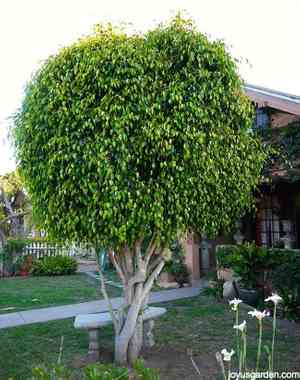
Weeping fig introduces an element of grace and natural splendor to any garden space with its shiny foliage and elegantly arcing branches. Its visual effect is undeniable, offering depth and serving as a focal point in landscape schemes. The plant's deep green hue complements diverse flora and garden structures, making it a flexible choice for both contemporary and classic designs. Whether utilized as a singular focal point or combined with other greenery, Weeping fig fosters a peaceful and inviting ambiance.
Comparative Durability of Weeping Fig Against Other Popular Landscaping Plants
Weeping fig distinguishes itself through its resilience and minimal maintenance requirements, making it an appealing option for homeowners. In comparison to other common landscaping plants, it demands less water and tolerates a wider range of light conditions. This robustness allows it to flourish where other plants might struggle, rendering it perfect for both novice gardeners and those aiming to reduce garden upkeep. Its capacity to endure pruning and adapt to various soil types further solidifies its reputation as a dependable landscaping selection.
Optimal Placement of Weeping Fig in Your Garden
Evaluating Lighting Conditions for Successful Weeping Fig Growth
When planning to incorporate Weeping fig into your garden, comprehending its light requirements is vital. Weeping fig prefers bright, indirect sunlight but can tolerate some shade, making it suitable for a variety of garden spots. Position Weeping fig in an area where it receives dappled light through taller trees or a pergola, avoiding locations with harsh, direct sun that can scorch its leaves. Remember that while Weeping fig is adaptable, ideal placement regarding light exposure will ensure it remains healthy and vibrant throughout the seasons.
Landscape Design Concepts Featuring Weeping Fig
There are numerous imaginative approaches to integrating Weeping fig into your garden's aesthetic. One concept is to employ Weeping fig as a natural privacy screen, allowing its dense leaves to form a green barrier between different yard sections. Alternatively, plant Weeping fig alongside a garden path or entrance to create a welcoming, foliage-rich archway. Grouping Weeping fig with blooming plants can enhance the garden's visual appeal, while placing it in large decorative containers can add a chic touch to patios and balconies. Your creativity is the only limit when designing with Weeping fig!
Ecological Contributions of Weeping Fig
Weeping Fig's Role in Enhancing Local Biodiversity
Weeping fig plays a considerable part in boosting local biodiversity. Its abundant foliage offers refuge and nesting spots for birds, while its presence can support various insects and beneficial soil microorganisms. By cultivating Weeping fig, you're not just improving your garden's look but also contributing to a healthier ecosystem. The enhanced biodiversity can lead to natural pest control and improved pollination, fostering a more balanced and sustainable garden environment.
Environmental Advantages of Integrating Weeping Fig into Landscaping
Beyond its beauty, Weeping fig provides several environmental benefits. Its leaves assist in filtering air pollutants, thereby enhancing air quality in your garden. The shade cast by Weeping fig can cool your yard, lessening the urban heat island effect and reducing the need for extra cooling. Furthermore, the plant's root system helps prevent soil erosion and aids in water retention within the soil. All these factors make Weeping fig not just a lovely addition to your landscape but a green ally in environmental preservation.
Sustaining the Allure of Weeping Fig
Seasonal Considerations for Weeping Fig Upkeep
To ensure Weeping fig remains a striking feature in your garden, it's crucial to account for seasonal maintenance. During spring and summer, consistent watering and occasional fertilization will promote its growth. Pruning in late winter helps to shape the plant and remove any dead or diseased branches. As the weather cools, decrease watering and prepare for potential cold snaps by providing protection if necessary. By adapting your care regimen with the seasons, you can help Weeping fig thrive year-round.
Common Aesthetic Challenges with Weeping Fig and Remedial Advice
Like any plant, Weeping fig can encounter certain aesthetic challenges, such as leaf drop or yellowing foliage. These issues frequently stem from overwatering, insufficient light, or pest infestations. To alleviate these problems, ensure proper watering practices by allowing the soil to dry out between waterings and providing adequate light conditions. Regularly inspect the plant for signs of pests and treat with natural remedies or appropriate insecticides if needed. By remaining attentive and proactive, you can preserve the lush green appearance of Weeping fig in your garden.



