Enhancing Your Garden Design with the Blue fescue Plant: A Landscaping Guide
1
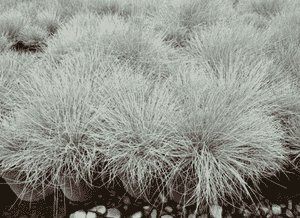
Blue fescue offers striking visual differences due to its distinct blue-green leaves.
2
Blue fescue fits well into diverse landscape designs, ranging from simple to classic.
3
Correct positioning and upkeep of Blue fescue guarantees continuous attractiveness with little effort.
Grasping the Aesthetic Contribution of Blue fescue
Crafting Color Contrasts with Blue fescue
Blue fescue is celebrated for its striking blue-green foliage, which forms impressive contrasts in any outdoor setting. This plant can be utilized alongside green plants and flowering species to break up uniformity and introduce vibrancy. The distinct color palette of Blue fescue can accentuate other plants and features, offering a splash of color that captures attention and adds depth to your garden.
Textural Variety Provided by Blue fescue
The slender, grass-like leaves of Blue fescue offer a delicate texture that can complement the broader foliage of many perennials and shrubs. This textural difference provides a more dynamic and visually engaging appearance to your garden, creating a more layered and textured landscape design. By incorporating Blue fescue, you can achieve a balanced mix of soft and rigid elements, enhancing the overall aesthetic appeal.
Consistent Visual Appeal Throughout the Year
Blue fescue maintains its visual charm all year long. Unlike many plants that only display their best features in specific seasons, Blue fescue retains its structure and color from spring through winter. This endurance ensures it continues to beautify your landscape even when other plants have shed their leaves or blooms, thus providing continuous interest and a stable foundation for your garden design.
Integrating Blue fescue into Diverse Landscape Styles
Suitable for Minimalist and Contemporary Designs
Blue fescue fits perfectly into minimalist and modern landscape designs due to its clean and simple look. The plant's uniform color and elegant form can be used to create straight lines and geometric patterns, enhancing the sleek and uncluttered aesthetic desired in these styles. Whether used as a standalone element or in structured groupings, Blue fescue adds sophistication and order to a minimalist garden.
Enhancing Traditional Garden Arrangements
In traditional garden layouts, Blue fescue can serve as a charming counterpoint to more classic elements like roses and lilacs. Its understated elegance will not overpower the softer, more intricate designs typical of traditional gardens. Instead, Blue fescue enriches these spaces by adding a modern nuance, enhancing visual interest while maintaining the timeless beauty of traditional plantings.
Utilizing Blue fescue in Rock and Xeriscape Gardens
Rock and xeriscape gardens greatly benefit from the low-maintenance, drought-resistant nature of Blue fescue. Its ability to thrive in less-than-ideal soil conditions without constant watering makes it an ideal choice for these water-conserving garden styles. Furthermore, its attractive foliage provides a soft contrast against the hard, rugged features of rocks and other xeriscape elements, enhancing the garden's natural beauty.
Optimal Placement and Companion Plants for Blue fescue
Front Border Embellishment
Blue fescue works beautifully as a front border accent in garden beds. Its dense, mound-like shape defines pathways and edges, creating a crisp, neat appearance that guides the eye and invites visitors to explore further. When planted along walkways or around garden borders, Blue fescue establishes a clear and attractive boundary.
Ideal Pairings with Perennials
Pairing Blue fescue with flowering perennials creates a stunning visual combination that can evolve throughout the seasons. For instance, placing it alongside lavender, coneflowers, or black-eyed Susans can highlight the brilliant blues of Blue fescue against vibrant blooms. This complementary planting strategy adds layers of color and texture, bringing life and variety to your garden.
Combinations with Other Ornamental Grasses
Blue fescue blends well with other ornamental grasses, adding diversity to a grassy landscape. When combined with taller grasses like Miscanthus or fountain grass, Blue fescue creates a tiered effect that adds depth and movement. This combination can replicate natural meadow-like settings, bringing a touch of wild beauty to your landscape.
Practical Advice for Integrating Blue fescue into Your Landscape
Spacing and Grouping Methodologies
When planting Blue fescue, consider spacing several plants about a foot apart to achieve a fuller look without overcrowding. In larger landscapes, grouping them into clusters rather than straight rows can create a more organic and pleasing aesthetic. Proper spacing ensures that each plant has enough room to grow while maintaining a cohesive and well-planned appearance.
Managing Sun Exposure and Shade
Blue fescue thrives in full sun but can also tolerate partial shade, making it versatile for various locations in your garden. Ideally, it should be placed where it receives at least six hours of sunlight daily. When planting in shaded areas, make sure it's not overshadowed by larger plants, as this can hinder its growth and diminish its visual impact.
Seasonal Considerations for Blue fescue
To ensure the best results, plant Blue fescue in the spring or fall when temperatures are moderate. Although it is a hardy plant, providing it with some extra mulch in the winter can offer additional protection against harsh weather. Regularly check for any signs of overgrowth and trim back as necessary to keep the plant looking neat and healthy throughout the year.



