Enhancing Your Garden Design with the Leopard plant Plant: A Landscaping Guide
1
Leopard plant excels at establishing prominent features within your garden layout.
2
It flourishes in areas with some shade, offering adaptability for diverse garden environments.
3
Consistent irrigation and periodic maintenance ensure the Leopard plant remains lively throughout the year.
Introducing Farfugium japonicum to Your Garden
Understanding the Visual Appeal of Farfugium japonicum
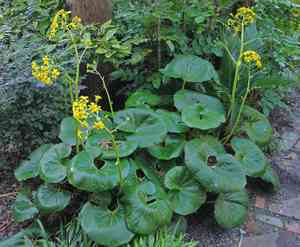
Farfugium japonicum is a distinctive and visually striking addition to any garden. Its broad, shiny leaves and clusters of vibrant flowers bring a bold and exotic flair to outdoor spaces. The plant's lush foliage provides a tropical feel, making Farfugium japonicum an excellent choice for gardeners seeking to add depth and interest to their areas. The contrasting textures of Farfugium japonicum's leaves and blooms can complement various garden styles, from contemporary to classic.
Optimal Placement for Planting Farfugium japonicum in Your Landscape
When it comes to planting Farfugium japonicum, selecting the appropriate site is paramount. This plant flourishes best in partial shade, though it can endure some direct sun exposure. Ideal spots include areas beneath tall trees, along shaded garden paths, or near water features where the soil remains consistently damp. It's crucial to position Farfugium japonicum in locations that shield it from intense afternoon sun to prevent leaf scorch and promote vigorous growth.
Seasonal Considerations for Farfugium japonicum
Understanding the seasonal requirements of Farfugium japonicum can help ensure its prosperity in your garden. While it is relatively resilient, Farfugium japonicum benefits from being planted in the spring or autumn when temperatures are mild. During hot summer months, ensure it receives adequate water to prevent wilting. In colder climates, applying mulch around the base can protect Farfugium japonicum from winter frost and maintain soil moisture. By adapting your care routine to the seasons, you can enjoy Farfugium japonicum's beauty throughout the year.
Designing with Farfugium japonicum: Strategies and Advice
Creating Visual Anchors with Farfugium japonicum
Farfugium japonicum can serve as a stunning focal point in your garden design. Its large, dramatic leaves can attract attention and establish a visual anchor in garden beds or containers. To effectively utilize Farfugium japonicum as a focal point, plant it in prominent positions where its unique appearance can be fully appreciated. This could be at the center of a flower bed, at the end of a garden path, or in a standalone container that highlights its splendor.
Companion Plants that Harmonize with Farfugium japonicum
Pairing Farfugium japonicum with complementary plants can enhance its visual impact. Consider combining it with shade-loving perennials like hostas, ferns, and astilbes, which offer diverse textures and forms. Flowers such as impatiens or begonias can add vibrant color contrasts. The key is to select plants that thrive in similar conditionsâpartial shade and moist soilâto ensure all plants in your design flourish together.
Achieving Color and Texture Balance in Your Garden with Farfugium japonicum
Achieving a balanced garden design involves harmonizing colors and textures. Farfugium japonicum's deep green, glossy leaves provide a rich backdrop for more colorful blooms. Use it to create contrast with plants that possess finer textures or lighter foliage. For instance, silver-leafed plants like lamb's ear or variegated grasses can stand out against Farfugium japonicum's bold leaves. Balancing these elements can create a visually engaging and cohesive landscape.
Maintenance Guidelines for Farfugium japonicum in Landscapes
Managing Light Exposure for Optimal Development
Farfugium japonicum thrives in partial shade, and regulating its exposure to sunlight is crucial for its well-being. Excessive direct sunlight can cause leaf burn, while insufficient light can hinder its growth. Aim to provide Farfugium japonicum with morning sunlight and afternoon shade, especially in warmer climates. Monitoring its light conditions and making adjustments as needed can ensure optimal growth and vibrant foliage.
Irrigation Practices Suitable for Farfugium japonicum
Proper watering is essential for Farfugium japonicum's success in the landscape. This plant prefers consistently moist soil but not waterlogged conditions. Regular irrigation, particularly during dry periods, is vital. It's best to water deeply and less frequently to encourage robust root development. In times of heavy rainfall, ensure the soil drains well to prevent root rot. Adjusting your watering regimen based on weather conditions can help maintain healthy plants.
Seasonal Upkeep and Care Recommendations
Seasonal maintenance is necessary to keep Farfugium japonicum looking its best. In the spring, apply a balanced fertilizer to support new growth. During the summer, ensure regular watering and check for any signs of pests or diseases. In the fall, remove any dead or damaged leaves to prepare the plant for its dormant period. Applying a layer of mulch before winter can protect Farfugium japonicum from cold temperatures and help retain soil moisture. Consistent care throughout the year will ensure a thriving and attractive landscape.



