Enhancing Your Garden Design with the European beech Plant: A Landscaping Guide
1
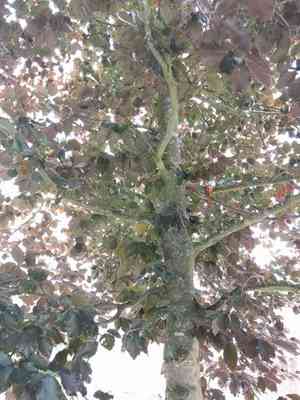
The European beech can greatly enhance your garden's beauty due to its distinct characteristics.
2
Careful planning, proper planting, and ongoing upkeep are crucial for the thriving development of European beech in your outdoor space.
3
European beech provides many advantages, such as ecological well-being and financial gains.
Introducing European Beech for Landscaping
Understanding the Distinctive Qualities of European Beech
When considering garden enhancements, European beech stands out as an excellent option due to its unique characteristics. This plant showcases remarkable visual appeal with its abundant foliage that shifts through lovely hues across seasons. The form of European beech imparts a sense of grandeur and enduring elegance, making it a favored selection for both classic and modern garden schemes. Furthermore, its adaptability to various soil types and environmental conditions adds to its allure, making it a versatile addition to any outdoor space.
Why European Beech is an Excellent Choice for Garden and Landscape Projects
European beech is not only visually appealing but also practical for diverse landscaping requirements. Its dense canopy offers superb shade, making it an ideal option for establishing tranquil resting areas in your garden. Moreover, European beech plays a crucial role in boosting biodiversity by offering shelter and food sources for various creatures, including birds and insects. Its robust root system aids in soil stabilization, preventing erosion and fostering a healthy garden ecosystem. These qualities collectively make European beech a perfect candidate for enhancing both the beauty and utility of your landscape.
Designing Your Outdoor Space with European Beech
Planning Your Garden Layout with European Beech as a Central Feature
Designing a garden with European beech as the primary element requires careful planning to maximize its aesthetic and practical advantages. Begin by identifying the optimal placement for European beech where it can fully display its beauty and fulfill its purpose. Consider viewpoints from different angles to ensure it becomes a captivating focal point. You can plant European beech in open areas to provide a majestic centerpiece or integrate it in rows or clusters to form natural screens and boundaries.
Companion Plants and Aesthetic Design Principles
Pairing European beech with other plants is essential for achieving a harmonious garden design. Select plants that not only thrive in similar conditions but also enhance the visual coherence of your landscape. Underplanting European beech with shade-loving perennials, shrubs, or ground covers can create layers of interest and introduce variety to your garden. Additionally, incorporating seasonal flowers can add bursts of color and contrast, making your garden delightful throughout the year.
Seasonal Considerations for Enduring Beauty
For a garden that remains attractive year-round, it's vital to consider the seasonal aspects of European beech. This plant transforms dramatically with each season, from vibrant greens in spring and summer to rich reds and golds in autumn, and a graceful silhouette in winter. Planting European beech alongside evergreens or winter-blooming shrubs can ensure your garden maintains its appeal even during colder months. Furthermore, planning for autumn clean-up and winter protection of European beech will help sustain its health and appearance throughout the year.
Practical Advice for Planting and Maintaining European Beech in Your Landscape
Optimal Practices for Planting European Beech to Ensure Robust Growth
To successfully plant European beech, select a site with well-drained soil and ample sunlight. Start by digging a hole twice as wide but equally deep as the root ball to allow roots to establish. Incorporating compost into the soil can provide vital nutrients for initial growth. After planting, thoroughly water the area to settle the soil and remove air pockets. Mulching around the base will help retain moisture and regulate soil temperature.
Regular Care Tips to Keep European Beech Thriving
Consistent maintenance is crucial for ensuring European beech remains healthy and vigorous. Regular watering, especially during dry periods, is essential for young plants. Pruning should occur in late winter or early spring to remove dead or diseased branches and to shape the plant. Annual mulching and fertilizing can provide necessary nutrients and protection. Additionally, monitoring for pests and diseases and addressing them promptly will help maintain the plant's health.
Addressing Common Issues Encountered with European Beech in Landscaping
While European beech is relatively easy to care for, it may face some typical challenges. Problems like powdery mildew, leaf spots, and canker diseases can impact its health. Regular observation and timely intervention with appropriate fungicides or natural remedies can alleviate these issues. Furthermore, ensuring the plant has sufficient space to grow and avoiding overwatering can prevent root rot and other moisture-related problems.
Creative Applications and Advantages of European Beech in Outdoor Areas
Innovative Design Concepts Incorporating European Beech
There are numerous imaginative ways to integrate European beech into your landscape. Consider utilizing it to create natural arbors or living walls, which can offer privacy and aesthetic appeal. Planting European beech along pathways or driveways can beautifully frame these areas. It can also serve as a natural backdrop for flower beds or as part of a mixed hedge to establish defined garden zones.
How European Beech Enhances Environmental Sustainability
European beech contributes significantly to environmental sustainability. Its capacity to improve air quality by capturing pollutants and its role in providing habitats for wildlife are invaluable. The deep roots of European beech help to enhance soil structure, reduce erosion, and improve water infiltration. This sustainability aspect makes European beech an excellent choice for eco-conscious gardeners aiming to create a more environmentally friendly landscape.
Economic Benefits of Utilizing European Beech in Your Landscape Design
Incorporating European beech in your garden can also offer economic advantages. The presence of this plant can increase property value due to its aesthetic appeal and the prestige it brings to a landscape. Additionally, the shade provided by European beech can reduce cooling costs during summer, and its windbreak capabilities can lower heating expenses during winter. Overall, investing in European beech can yield significant long-term savings and boost the value of your property.



