Enhancing Your Garden Design with the African bush daisy Plant: A Landscaping Guide
1
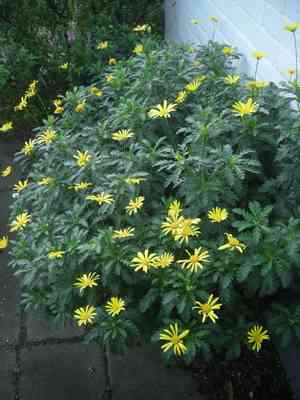
The African bush daisy brings vibrant color and interesting texture to any garden space with its cheerful yellow blooms and rich green leaves.
2
Incorporating African bush daisy into your outdoor area draws in helpful insects, fostering a robust garden environment.
3
In cooler periods, diligent care guarantees the African bush daisy stays well and flourishes once temperatures rise.
Introducing African Bush Daisy in Landscape Design
Understanding the African bush daisy's role in garden beauty
To enhance your garden's appeal, the African bush daisy is crucial. With its bright yellow blooms and lush green leaves, it adds a lively burst of color and texture, making any garden distinctive. Its cheerful look not only boosts visual charm but also creates a vibrant and inviting feel in your outdoor area.
Advantages of incorporating African bush daisy into your landscape
Adding African bush daisy to your landscape offers many benefits beyond just looks. This adaptable plant draws helpful insects, like pollinators, fostering a healthier garden ecosystem. Also, the African bush daisy is known for being low-maintenance, making it a great option for both new and experienced gardeners. Its toughness and ability to adapt to different conditions make it a dependable plant for various garden settings.
Integrating African Bush Daisy into Your Garden Layout
Initial considerations for placing African bush daisy
When planning to include African bush daisy in your garden, proper placement is key. African bush daisy thrives in well-drained soil and areas with ample sunlight. Ensuring your chosen spot meets these requirements will encourage robust growth and abundant flowers. Also, consider the plant's mature size to ensure it has enough room to spread without overcrowding other plants.
Companion plants and flowers for African bush daisy
To achieve a harmonious garden design, consider pairing African bush daisy with suitable companion plants and flowers. Plants with contrasting hues, such as deep purples or blues, can accentuate the bright yellow blooms of African bush daisy. Additionally, choosing plants with similar light and water needs ensures a unified and flourishing garden. Good companions include lavender, salvia, and ornamental grasses.
Design styles compatible with African bush daisy
Designing your garden with a specific theme can elevate its overall aesthetic. African bush daisy's vibrant color and resilient nature make it suitable for various garden styles. For a cottage garden, combine African bush daisy with other flowering plants to create a lush and colorful display. Alternatively, for a Mediterranean theme, pairing African bush daisy with drought-tolerant plants and herbs can create an authentic and low-maintenance landscape.
Seasonal Care Advice for African Bush Daisy
Spring care for vigorous growth
Spring is the perfect time to focus on the vigorous growth of African bush daisy. Begin by pruning any dead or damaged branches to stimulate new growth. Ensure the soil is enriched with compost or a balanced fertilizer to supply essential nutrients. Consistent watering during the early growing season promotes strong root development and prepares African bush daisy for the warmer months ahead.
Summer upkeep to maintain health
During summer, maintaining the health of African bush daisy is crucial. Regular watering is essential, especially during dry periods, to keep the plant hydrated. Mulching around the base helps retain soil moisture and regulate temperature. Additionally, periodic removal of spent flowers encourages continuous blooming throughout the season.
Preparing African bush daisy for colder periods
As colder months approach, preparing African bush daisy ensures its survival and well-being. Reduce watering as the plant enters dormancy, and apply a layer of mulch to insulate the roots from freezing temperatures. Prune lightly to remove any dead growth, but avoid heavy pruning as this can stress the plant. If you're in an area with harsh winters, consider covering African bush daisy with a frost cloth for added protection.
Frequently Asked Questions
How often should African bush daisy be watered?
The watering requirements for African bush daisy vary by season. During the growing period, ensure the soil remains consistently moist but not waterlogged. In summer, more frequent irrigation may be necessary, especially in hotter climates. Conversely, reduce watering during winter months to prevent over-saturation and root rot.
Optimal pruning methods for African bush daisy
Pruning African bush daisy is vital for maintaining its shape and encouraging new growth. The best time to prune is in early spring before new growth begins. Remove any dead or damaged branches, and trim to shape the plant as desired. Light pruning throughout the growing season can also help manage size and promote healthy blooming.



