Enhancing Your Garden Design with the Euphorbia pulcherrima Plant: A Landscaping Guide
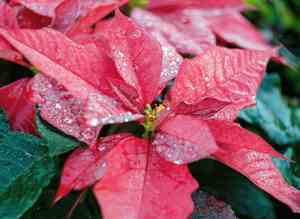
1
Poinsettias flourish in soil that drains efficiently and requires abundant natural light to grow best.
2
Year-round arrangements featuring Poinsettias can introduce vivid hues to your outdoor space.
3
Consistent care and inspections are crucial for maintaining the health and vitality of Poinsettias.
Incorporating Poinsettia into Your Outdoor Areas
Selecting the Optimal Position for Poinsettia
Choosing the best spot for Poinsettia requires evaluating light exposure, ground composition, and overall garden aesthetic. It's vital to site Poinsettia where it can receive ample natural illumination, ideally a location that gets a minimum of six hours of sunlight daily. The chosen area should also feature soil that drains effectively to prevent root decay and associated problems. Thoughtful placement not only ensures the plant's vitality but also boosts your garden's visual appeal.
Poinsettia's Preferred Soil and Sunlight Conditions
Poinsettia thrives best in ground that offers excellent drainage and is rich in organic matter. Prior to planting, it's beneficial to enrich the soil with compost or other natural amendments to enhance its quality. Alongside well-drained earth, Poinsettia prefers full sun; however, in particularly hot climates, dappled shade during the warmest parts of the day will help avert leaf scorch and plant stress.
Pairing Poinsettia with Other Flora
Poinsettia harmonizes beautifully with various plants, fostering a visually appealing and balanced garden environment. When integrating Poinsettia, consider plants with contrasting foliage or blooms, such as evergreens or perennials with different flowering periods. This not only heightens your landscape's charm but also guarantees a lively and attractive garden across the changing seasons.
Poinsettia for Seasonal Garden Themes
Enhancing Spring and Summer Decor
Throughout the spring and summer months, Poinsettia can be effectively utilized to invigorate your garden with its vivid hues. Consider planting Poinsettia alongside other brightly colored annuals and perennials to forge a vibrant and welcoming garden. As Poinsettia prospers in warm weather, it will flourish and become a central feature in your landscape, adding a burst of brilliance to your spring and summer garden compositions.
Utilizing Poinsettia for Autumn and Winter Displays
In the colder seasons, Poinsettia can still play a crucial role in your garden scheme. Its striking leaves can offer contrast to the more subdued shades of autumn and winter. You can pot Poinsettia and position it strategically around your garden or patio to create impressive arrangements. Combine it with other cold-tolerant plants to maintain an appealing garden year-round.
Landscaping Care Advice for Poinsettia
Routine Inspections for Robust Development
To maintain Poinsettia's health, consistent observation and care are paramount. This involves checking for pests, ensuring the soil remains well-drained, and providing appropriate moisture and nutrients. Trimming dead or damaged leaves will also stimulate new growth and preserve the plant's form, contributing to a tidy and attractive garden.
Addressing Common Difficulties
Despite their relative resilience, Poinsettia can occasionally encounter issues such as pests, diseases, and unfavorable weather conditions. It's essential to be proactive in tackling these challenges. Employ natural insecticides to combat insects and fungi, and make sure your plants are sheltered from extreme weather. Furthermore, proper irrigation practices will prevent root decay and other moisture-related problems.



