Enhancing Your Garden Design with the Myrtle spurge Plant: A Landscaping Guide
1
Incorporate Myrtle spurge into rockeries or dry gardens for an eye-catching display.
2
Myrtle spurge flourishes in ample sun and soil that drains well, making it adaptable.
3
Combine Myrtle spurge with suitable companion plants to achieve a unified and vibrant garden.
Introducing Myrtle Spurge to Your Landscape
Discovering the unique beauty of Myrtle spurge
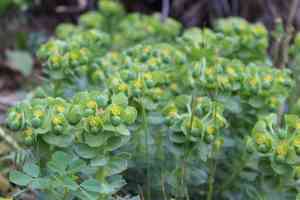
If you're looking to enhance your garden's design, Myrtle spurge offers a distinct visual charm that can transform any outdoor space. Its succulent leaves form an attractive spiral pattern, providing a striking focal point. The plant's blue-gray foliage serves as an excellent backdrop for its yellow-green flowers, which appear in spring. This combination creates a visually dynamic and ever-changing appearance, making Myrtle spurge an ideal choice for gardeners seeking to add both structure and color to their landscapes.
How Myrtle spurge integrates with various garden styles
Myrtle spurge is adaptable and can seamlessly fit into diverse garden themes. Whether you're aiming for a minimalist, contemporary, or even a Mediterranean aesthetic, the plant's unique texture and color palette make it a suitable addition. Its drought-tolerant nature also makes it perfect for xeriscaping, allowing you to create a stunning garden that requires minimal water. By incorporating Myrtle spurge into your garden plan, you can achieve a cohesive and well-integrated look that complements other elements in your landscape.
Selecting the Best Spot for Myrtle spurge
Evaluating light and soil conditions for Myrtle spurge
To ensure Myrtle spurge thrives and exhibits its best features, choosing the correct location is essential. This plant prefers full sun but can endure partial shade. Regarding soil conditions, Myrtle spurge performs well in well-drained, sandy, or gravelly soils. Poor soil drainage can lead to root rot, so it's crucial to avoid overly moist or heavy soils. Testing your garden's soil and making adjustments like adding sand or gravel can create the perfect environment for Myrtle spurge to flourish.
Strategic placement advice for visual impact
Beyond just selecting the right soil and sunlight, thoughtful placement of Myrtle spurge can significantly enhance its visual appeal. Consider using Myrtle spurge as a central feature in rock gardens, borders, or along pathways. Its spreading growth habit can also be effective on slopes or in raised beds, offering a cascading effect that draws the eye. Positioning Myrtle spurge where its unique form and color can contrast with other elements in your garden will create a striking visual arrangement.
Combining Myrtle spurge with Other Plants
Companion plants that flourish alongside Myrtle spurge
Myrtle spurge pairs well with various other plants, improving the overall aesthetic appeal of your garden. Consider combining it with other drought-tolerant species such as Lavender, Sage, and different ornamental grasses. These plants share similar soil and sunlight requirements, making them ideal companions. The contrasting textures and colors between Myrtle spurge and its companions can create a visually diverse yet harmonious garden space.
Designing plant groupings for year-round interest
Creating groupings that include Myrtle spurge can ensure your garden looks attractive throughout the year. While Myrtle spurge offers striking foliage and blooms in spring, incorporating evergreens and seasonal flowers can provide continuous visual interest. For instance, combine Myrtle spurge with autumn-blooming sedums or winter-hardy succulents to maintain a vibrant garden through the colder months. This layered planting strategy will ensure your garden remains dynamic and beautiful regardless of the season.
Maintaining Myrtle spurge's Visual Appeal
Seasonal considerations for Myrtle spurge's optimal display
Maintaining the aesthetic appeal of Myrtle spurge throughout the year involves understanding its seasonal requirements. During the growing season, regular watering helps establish young plants, while mature specimens generally need less frequent irrigation. Come autumn, a light pruning can help maintain its shape and remove any spent blooms or damaged foliage. In winter, protecting the plant from excessive moisture is crucial, as it can tolerate cold but not waterlogged soil. By paying attention to these seasonal nuances, you can keep Myrtle spurge looking its best.
Simple tips to boost Myrtle spurge's longevity and vibrancy
A few straightforward care tips can significantly contribute to the longevity and vibrancy of Myrtle spurge. Regularly inspect the plant for any signs of pests or diseases and address them promptly. Mulching around the plant can help retain moisture and regulate soil temperature, benefiting its roots. Additionally, while Myrtle spurge is low-maintenance, occasional feeding with a balanced fertilizer during the growing season can promote healthier growth and more vibrant blooms. By incorporating these easy practices, you can enjoy the full splendor of Myrtle spurge in your landscape for many years.



