Enhancing Your Garden Design with the Snow-on-the-mountain Plant: A Landscaping Guide
1
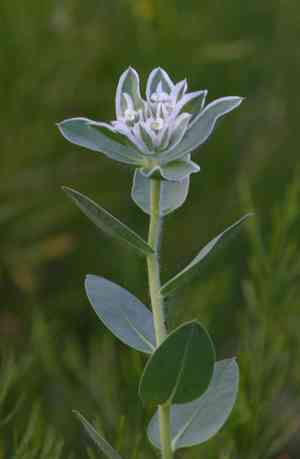
Euphorbia marginata is a adaptable plant that flourishes in diverse garden settings.
2
Integrating Euphorbia marginata into your landscape plan can establish prominent visual highlights.
3
Euphorbia marginata needs little upkeep, making it a perfect option for gardeners with limited time.
Introducing Snow-on-the-mountain in Garden Design
Overview of Snow-on-the-mountain's function in garden aesthetics
Incorporating Snow-on-the-mountain into your garden scheme brings a touch of grace and distinctiveness. This plant is well-known for its lively foliage and adaptability, making it an excellent choice for gardeners aiming to improve their outdoor areas. Snow-on-the-mountain can be utilized to form attractive borders, delineate garden beds, or serve as a backdrop for more colorful blooms. Its striking white-edged leaves offer a natural contrast that can highlight other plants and add depth to any garden layout.
Advantages of integrating Snow-on-the-mountain into your landscape
Snow-on-the-mountain provides numerous benefits beyond its visual charm. It is remarkably resilient, capable of flourishing in diverse soil types and environmental conditions. This plant is drought-tolerant and demands minimal upkeep, making it an ideal option for gardeners who desire a low-maintenance landscape. Furthermore, Snow-on-the-mountain can help prevent soil erosion due to its robust root system. This makes it a superb choice for stabilizing slopes or other areas with loose soil.
Design Principles Utilizing Snow-on-the-mountain
Selecting the optimal spot for Snow-on-the-mountain in your garden
Choosing the right placement for Snow-on-the-mountain is vital for achieving the best outcomes in your landscaping. This plant prefers well-drained soil and can thrive in both full sun and partial shade. Consider positioning Snow-on-the-mountain in areas where its bright white edges can capture the light, creating a shimmering effect that draws attention. It can also be used to fill in gaps in your garden beds or borders, providing a continuous, unified appearance.
Pairing Snow-on-the-mountain with other plants for a unified look
To create a cohesive garden design, consider combining Snow-on-the-mountain with complementary plants. Its neutral tones blend well with a variety of colors, making it a versatile addition to any garden. Match Snow-on-the-mountain with brightly colored flowers like marigolds or petunias to create vivid contrasts. Alternatively, combine it with other foliage plants that have different textures or shades of green to add layers of visual interest. This approach ensures your garden feels balanced and thoughtfully arranged.
Leveraging Snow-on-the-mountain's unique characteristics to establish focal points
One of the primary benefits of Snow-on-the-mountain is its distinct appearance, which can be used to create focal points in your garden. Use Snow-on-the-mountain to frame entryways, line pathways, or anchor garden beds. Its striking foliage can serve as a natural centerpiece, drawing the eye and providing structure to your landscape design. Additionally, consider planting Snow-on-the-mountain in clusters or patterns to create a sense of order and sophistication in your garden.
Seasonal Considerations for Snow-on-the-mountain
Optimal times of year to plant Snow-on-the-mountain
To achieve the best results with Snow-on-the-mountain, proper planting timing is crucial. The ideal times to plant Snow-on-the-mountain are in the spring and early fall when the soil is warm, and moisture levels are favorable for root development. Planting during these periods also allows Snow-on-the-mountain to establish its roots before the extreme temperatures of summer or winter. Ensure you provide sufficient water during the initial planting phase to support healthy growth.
Understanding Snow-on-the-mountain's life cycle to maximize landscape beauty
Understanding the life cycle of Snow-on-the-mountain helps you plan your garden design more effectively. This plant typically reaches its peak display in late spring to early summer, when its foliage is most vibrant. Observing and noting these phases allows you to coordinate Snow-on-the-mountain with other plants that bloom at different times, ensuring your garden remains colorful and engaging throughout the year. Additionally, since Snow-on-the-mountain is a perennial, it will return year after year, providing lasting beauty with minimal effort.
Maintaining Visual Appeal with Snow-on-the-mountain
Advice for preserving Snow-on-the-mountain's look throughout the season
Maintaining the visual appeal of Snow-on-the-mountain involves a few straightforward steps. Regularly inspect your plants for dead or damaged leaves and prune them to keep the foliage looking fresh. Ensure that Snow-on-the-mountain receives adequate water, especially during dry spells, to prevent the leaves from wilting. Applying a layer of mulch around the base of the plant can help retain soil moisture and reduce weed growth, allowing Snow-on-the-mountain to thrive.
Addressing common issues and pests
Like any plant, Snow-on-the-mountain can encounter challenges from pests and diseases. Aphids and spider mites are common pests that may target Snow-on-the-mountain. Regular inspection and the use of insecticidal soap or neem oil can help manage these issues. Ensure good air circulation around your plants to reduce the risk of fungal diseases. Keeping the garden area clean and free from debris can also prevent pest infestations and keep Snow-on-the-mountain healthy and vibrant.



