Enhancing Your Garden Design with the Wintercreeper Plant: A Landscaping Guide
1
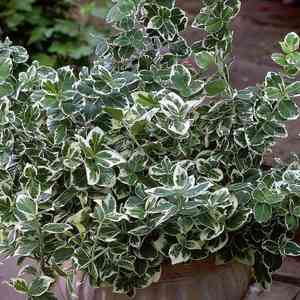
Wintercreeper offers lively, evergreen leaves that improve garden beauty.
2
It's suitable for diverse landscape designs, ranging from classic to modern styles.
3
Knowing Wintercreeper's optimal environment and companion plants boosts its visual appeal.
Exploring Wintercreeper's Visual Contribution to Home Gardens
Emphasizing its consistent vibrant color and texture year-round
Wintercreeper distinguishes itself in any garden primarily due to its capacity to maintain rich green foliage across all seasons. Unlike certain plants that may decline or alter significantly during colder periods, Wintercreeper guarantees a steady, lively backdrop. Its shiny, evergreen leaves provide a luxurious texture that is visually appealing, offering a striking contrast to deciduous plants that shed their leaves. This continuous color infuses vitality into your garden even when most other plants are dormant. Homeowners desiring a plant that offers unwavering beauty throughout the year will find Wintercreeper an ideal selection.
Discussing Wintercreeper's diverse growth patterns: Upward and outward spread
Wintercreeper is remarkably adaptable in its growth habits, capable of both vertical and horizontal expansion. This flexibility enables gardeners to utilize it as ground cover, where it spreads to form a dense, green carpet, or as a climbing vine, where it can introduce a vertical element to walls, trellises, or fences. Its upward growth is perfect for concealing unattractive structures or adding height to a garden, while its outward growth aids in weed suppression and soil stabilization. This dual growth capability makes Wintercreeper exceptionally suited for various landscaping requirements, thereby enhancing the overall structure and aesthetic diversity of your outdoor space.
Methods for seamlessly integrating Wintercreeper with other plants
Integrating Wintercreeper with other plants involves pairing it with species that complement its dense and vibrant foliage. For a unified appearance, consider combining it with ornamental grasses or flowering perennials that reach their peak at different times of the year. This staggered bloom schedule ensures that there is always something captivating in your garden. Additionally, Wintercreeper's rich green leaves offer an excellent background for brightly colored flowers, making their hues stand out. Strategically placing Wintercreeper alongside taller shrubs or trees can also create a layered effect, adding depth and complexity to your garden design.
Wintercreeper's Adaptability Across Various Landscape Styles
Its suitability for both structured and natural garden environments
Wintercreeper acts as a versatile plant in the garden, fitting effortlessly into both formal and informal garden designs. In structured garden settings, it can be pruned to maintain crisp lines and topiary forms, providing a neat and organized look. Conversely, in informal or cottage gardens, it can be allowed to grow more freely, adding a touch of wild, natural charm. Its capacity to adapt to different gardening styles makes it a valuable addition to any landscape plan, giving gardeners the freedom to achieve their desired aesthetic with ease.
Utilizing Wintercreeper in mixed borders and foundation plantings
Mixed borders and foundation plantings greatly benefit from the inclusion of Wintercreeper. In mixed borders, Wintercreeper serves as a dependable anchor plant, offering consistency and structure as flowering plants cycle through the seasons. Its dense foliage can provide a continuous green backdrop that accentuates the colors and textures of other plants. As a foundation planting, Wintercreeper can enhance the visual appeal of building bases or along pathways, softening harsh edges and providing a fuller, more established look to your garden. These attributes make it a versatile component in almost any planting scheme.
Innovative applications of Wintercreeper in minimalist or contemporary designs
For minimalist or contemporary garden designs, Wintercreeper provides clean lines and simplicity that align with these styles. Its uniform growth and evergreen nature make it an excellent choice for creating sleek, modern landscapes. Use Wintercreeper as a ground cover to maintain a low-maintenance yet visually appealing green space or as part of a geometric layout to emphasize structure and form. The plant's ability to conform to various shapes and spaces allows for design creativity, enabling gardeners to craft compelling and artistic garden scenes that are both functional and beautiful.
Practical Advice for Integrating Wintercreeper into Your Yard
Optimal planting locations for Wintercreeper considering light and soil
When planting Wintercreeper, it's essential to select sites that offer ideal conditions for its development. Wintercreeper thrives in areas receiving partial to full sunlight, though it can endure some shade. Its adaptability to various soil types, from sandy to clay, makes it a flexible option for diverse garden soils. However, it prefers well-drained soil that remains moderately moist. Ensuring these conditions will help Wintercreeper establish robust roots and stay healthy, allowing it to display its finest foliage throughout the year.
Companion plants that pair well with Wintercreeper
Selecting appropriate companion plants can enhance Wintercreeper's visual appeal and vitality. Plants like hostas, ferns, and heucheras complement Wintercreeper effectively, offering contrasting textures and hues that highlight its lush greenery. Flowering plants such as daylilies and black-eyed Susans can introduce bursts of color against Wintercreeper's green backdrop. Additionally, pairing Wintercreeper with other evergreen shrubs can create a cohesive look that remains attractive across all seasons. Strategic companion planting not only maximizes visual interest but also supports a diverse and balanced garden ecosystem.
Seasonal considerations for preserving Wintercreeper's aesthetic appeal
Maintaining Wintercreeper's aesthetic appeal throughout the year requires some seasonal attention. Regular pruning, especially in early spring, helps manage its growth and maintain its form. Mulching in the fall can safeguard its roots during colder months, promoting healthy regrowth in the spring. Monitoring for pests and diseases, particularly in humid summer months, ensures Wintercreeper remains lush and vibrant. These seasonal practices will help Wintercreeper flourish and continue to be a focal point in your garden.
Design Concepts: Using Wintercreeper to Structure and Define Areas
Crafting natural privacy barriers with Wintercreeper
Wintercreeper is an excellent option for creating natural privacy screens in your garden. Its dense and evergreen foliage can form a living wall that provides seclusion without the need for conventional fencing. Planting Wintercreeper in a row along property boundaries or around seating areas offers a green barrier that is both appealing and practical. This natural screen not only enhances privacy but also adds a lush, green element to your landscape, creating a tranquil and secluded outdoor space.
Effectively delineating pathways and borders
Wintercreeper can be effectively utilized to define pathways and borders, providing clear distinctions in your garden layout. Planting Wintercreeper along walkways creates a neat and orderly edge that guides visitors through your garden. Its low-growing habit is perfect for borders, preventing spread while maintaining a polished appearance. This application of Wintercreeper helps organize your garden space, making it more navigable and visually cohesive. Furthermore, its consistent foliage ensures that these defined pathways and borders remain attractive throughout the year.
Highlighting Wintercreeper's role in layered landscaping techniques
Layered landscaping involves using plants of varying heights and textures to create depth and visual interest in the garden. Wintercreeper plays a vital role in this approach, often serving as the middle layer that bridges the gap between ground covers and taller shrubs or trees. Its dense, medium-height foliage adds a thick, lush layer that enhances the layered effect, making your garden appear fuller and more dynamic. Incorporating Wintercreeper in layered landscaping not only boosts the garden's aesthetic appeal but also creates habitats for various wildlife, contributing to a thriving garden ecosystem.



