Enhancing Your Garden Design with the European spindletree Plant: A Landscaping Guide
1
The European spindletree offers continuous aesthetic appeal through its vivid leaves and prominent fruits.
2
This plant flourishes in soil that drains effectively and is versatile enough for diverse garden designs.
3
Incorporating the European spindletree alongside other flora boosts your garden's biodiversity and ecological equilibrium.
An Overview of European Spindletree in Garden Design
Grasping the aesthetic appeal of European spindletree
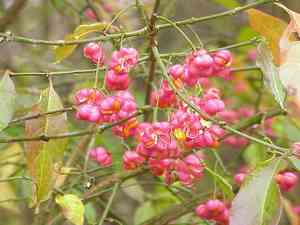
The European spindletree is a versatile plant that adds beauty to any landscape. Its striking pink and orange fruits, along with unique corky ridges on its stems, provide visual interest year-round. Whether used alone or in a mixed border, it can become a captivating focal point.
Seasonal transformations and their effect on garden beauty
A key attractive quality of the European spindletree is its capacity for dramatic seasonal shifts. In spring, its bright green leaves offer a fresh look, while in autumn, they transform into a brilliant red before falling. The vibrant berries remain into winter, adding color during colder periods. These changes ensure a visually engaging garden all year.
The role of European spindletree in sustainable landscaping
Including European spindletree in your landscape design supports environmentally friendly gardening. The plant provides a home for various wildlife, including birds and pollinators, boosting biodiversity. Furthermore, its low-maintenance nature reduces the need for water and fertilizers, aiding sustainable gardening efforts.
Choosing the Ideal Spot for European Spindletree
Evaluating light exposure and soil conditions
European spindletree thrives in well-drained soil and needs full sun to partial shade. Before planting, it's vital to assess the garden area for these conditions to ensure healthy growth. The plant is adaptable but prefers sites where the soil is neither too wet nor too dry.
Integrating European spindletree into diverse garden aesthetics
European spindletree can be seamlessly incorporated into various garden styles, from formal to informal. In a formal garden, it can be shaped into neat hedges or topiaries. Conversely, in a more informal setting, it can grow freely, giving the landscape a natural and organic feel.
Planning space for growth and upkeep
When planting European spindletree, it's crucial to consider the area it will occupy as it matures. Ensure ample space for it to spread without crowding other plants. Regular maintenance, such as pruning, helps manage its growth and maintain its desired form and size.
Pairing European Spindletree with Other Flora
Compatible plant selections for European spindletree
Selecting suitable companion plants for European spindletree can enhance your garden's overall beauty. Consider plants with contrasting leaf colors or textures, such as evergreens or ornamental grasses, to create a dynamic and visually appealing landscape.
Designing contrasts in color and texture
European spindletree offers unique opportunities for color and texture. Its bold berries and vibrant fall foliage can be paired with perennials and shrubs that have softer hues and smoother textures. This contrast can create a balanced and harmonious garden design.
Establishing focal points with European spindletree in garden layouts
By strategically placing European spindletree at key viewpoints in your garden, you can create stunning focal points. Consider positioning it near seating areas, garden entrances, or as a centerpiece in a flower bed. Its distinct appearance will draw attention and elevate the overall design.
Seasonal Maintenance Advice for European Spindletree
Preparing European spindletree for seasonal transitions
To keep European spindletree looking its best year-round, it's important to prepare it for seasonal changes. In late winter or early spring, prune any damaged or dead branches to encourage new growth. In autumn, apply mulch around the base to protect the roots during colder months.
Simple observation and care routines
Regular observation and maintenance are crucial for the health of European spindletree. Check for pests and diseases, and address them promptly if they appear. Water during dry periods, but avoid over-watering as it prefers well-drained soil. Occasional feeding with a balanced fertilizer can support its growth but is generally not essential.
Creative Applications of European Spindletree in Landscape Projects
Integrating European spindletree into contemporary landscaping trends
European spindletree is gaining popularity in modern landscaping for its aesthetic and ecological benefits. It is often used in urban gardens for its ability to thrive in various conditions. Moreover, European spindletree can be incorporated into minimalist designs, providing a pop of color and texture without overwhelming the space.
Examples from notable landscaping endeavors
Several renowned landscape projects have successfully integrated European spindletree into their designs. For instance, it has been used in public parks to create naturalistic planting schemes that attract wildlife and enhance natural beauty. Landscapers value its versatility and minimal care requirements, making it a favorite for both public and private gardens.



