Enhancing Your Garden Design with the Burning bush Plant: A Landscaping Guide
1
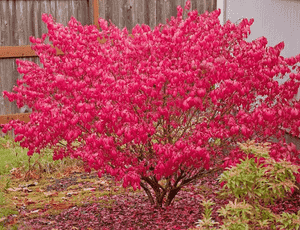
The Burning bush is recognized for its vivid seasonal hues, particularly in the fall.
2
Selecting an appropriate site for Burning bush greatly influences its development and look.
3
Correct care for Burning bush guarantees ongoing vitality and a long life in your landscape.
Introducing Burning Bush in Garden Design
Overview of Burning Bush's striking seasonal hues
Burning bush is celebrated for its remarkable seasonal colors. During autumn, its foliage transforms into a brilliant red, completely altering your garden's appearance. This vivid display can last for several weeks, creating a stunning visual impact. In spring and summer, its green leaves offer a lush, verdant backdrop for other plants. The dramatic shift in color throughout the seasons makes Burning bush a dynamic addition to any landscape.
Burning Bush's role in traditional and contemporary landscape designs
Burning bush fits well into both traditional and modern landscape schemes. In classic gardens, it often serves as a background element or a focal point due to its vibrant colors. In contemporary settings, its structured form and intense color can provide a striking contrast to other garden features. Whether used in hedges, as individual specimens, or integrated into mixed borders, Burning bush adds a touch of elegance and visual appeal.
Integrating Burning Bush into Your Garden Plan
Choosing the ideal spot for Burning Bush
Selecting the correct location for Burning bush is vital for maximizing its potential. Burning bush thrives in well-drained soil and an area receiving full sun to partial shade. It can tolerate various soil types, but ensure the site offers good drainage to prevent root rot. Planting Burning bush near attention-grabbing areas, such as your home's entrance or along property lines, can create a significant visual effect.
Designing with both beauty and practicality in mind
When planning with Burning bush, consider both aesthetics and functionality. Its compact growth habit makes it perfect for creating natural boundaries or hedges. You can use it to define walkways, patio areas, or garden beds. Additionally, pairing Burning bush with evergreens and perennials can enhance contrast and ensure year-round interest in your landscape. Consider how Burning bush will complement existing plants and structures to achieve a cohesive design.
Combining Burning Bush with other plants for maximum effect
Burning bush harmonizes beautifully with various plants for a synergistic outcome. Consider pairing it with asters, sedum, or ornamental grasses, all of which can enhance its fall coloration. In spring, bulbs like tulips and daffodils can provide a colorful foreground to Burning bush's rich green foliage. Choosing companion plants that bloom at different times ensures your garden remains vibrant throughout the seasons.
Advantages of Adding Burning Bush to Your Landscape
Boosting curb appeal with Burning Bush's unique appearance
One primary benefit of Burning bush is its capacity to enhance your property's curb appeal. It's not solely its magnificent fall color that makes it appealingâits well-maintained shape and dense foliage also present a neat and orderly look. Placing Burning bush in strategic spots around your property can make a strong visual statement and increase overall aesthetic value.
Creating lively seasonal interest with Burning Bush's leaves
Burning bush keeps your garden engaging throughout the year. In autumn, the red foliage makes a bold statement, while in spring and summer, the green leaves offer a rich and calming background. This seasonal interest can prevent your garden from appearing static and dull, ensuring there's always something visually attractive regardless of the time of year.
Environmental benefits of incorporating native plants like Burning Bush
Integrating Burning bush into your landscape also offers environmental advantages. Native plants like Burning bush are well-adapted to local conditions, requiring less water and fewer chemicals to flourish. Furthermore, they support local wildlife, providing habitat and food for various species. Using Burning bush in your garden can help promote biodiversity and a healthier ecosystem.
Maintenance Guidelines for Burning Bush in Your Landscape
Seasonal care and upkeep recommendations
To maintain your Burning bush healthy and attractive, some seasonal care is necessary. In spring, check for any winter damage and prune as needed to shape the shrub. During the growing season, ensure it receives water during dry spells, but avoid overwatering. Mulching around the base can help retain moisture and reduce weeds. In the fall, admire its stunning color, and once leaves drop, clear them to prevent disease.
Managing Burning Bush's growth and spread
Burning bush can be a rapid grower, so controlling its size and spread is crucial. Pruning once a year in late winter or early spring can help maintain its shape and prevent it from becoming too large. Be aware that while Burning bush can be a beautiful addition, it has the potential to spread aggressively in some regions. Check local guidelines and consult with a local nursery if necessary to ensure it's a good fit for your garden.
Common problems and their solutions
Although Burning bush is relatively low-maintenance, it can still encounter some issues. Watch for signs of aphids, scale, and fungal diseases. Regular inspection and prompt treatment can prevent these problems from becoming severe. Proper spacing, avoiding overwatering, and ensuring good air circulation can mitigate many common issues. If you notice any problems, addressing them early on will keep your Burning bush thriving.



