Enhancing Your Garden Design with the Red box Plant: A Landscaping Guide
1
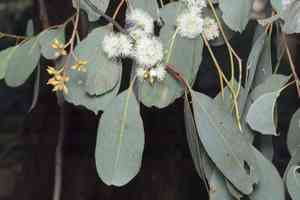
Red box is admired for its attractive appearance, featuring distinctive foliage form and hue.
2
Red box is an easy-care plant, making it a perfect option for homeowners with limited time.
3
Combining Red box with suitable companion plants can enhance your garden's aesthetic.
Introducing Red Box in Landscape Design
Appreciating Red Box's Visual Charm
A primary feature of Red Box is its striking foliage. Its distinctively shaped leaves offer a captivating visual element that enhances any garden. The leaf coloration can vary from a blue-grey to a vibrant green, providing a beautiful contrast with other plant species. Furthermore, the bark and overall form of Red Box contribute an architectural quality to your outdoor space, making it ideal for boosting aesthetic appeal.
Red Box's Role in Contemporary Landscape Design
Red Box has gained popularity in modern landscaping due to its adaptability and minimal upkeep. It seamlessly integrates into diverse design styles, from modern to rustic gardens. The plant's ability to thrive in various soil types and climates makes it an excellent choice for homeowners aiming for a sustainable and visually pleasing garden.
Why Select Red Box for Your Garden?
Effortless Upkeep and Resilience
A key advantage of Red Box is its low maintenance requirements. The plant is highly resilient, often flourishing in poor soil conditions and needing minimal watering once established. This makes it a perfect option for those who may lack gardening expertise or the time for a more demanding garden.
Perennial Beauty and Adaptability
Red Box offers continuous beauty, retaining its foliage and structural interest even in colder months. Its versatility means it can serve as a focal point, a background plant, or even a natural screen. Whether you desire a tranquil garden retreat or a striking landscape design, Red Box provides the flexibility to realize your vision.
Strategies for Incorporating Red Box into Your Landscape
Designing with Color and Texture
When adding Red Box to your landscape, consider how its color and texture can complement other plants. Its blue-grey leaves can be paired with grasses or flowering plants of contrasting colors to create a visually engaging garden. Think about varying heights and textures to build layers and depth in your design.
Placement and Spacing Considerations
Correct placement and spacing are vital for successfully integrating Red Box into your landscape. As Red Box can grow quite large, it's important to allow ample room for it to flourish. Plant it where it has space to expand without overcrowding other plants. Also, consider its fit within the garden's overall flow to ensure a harmonious design.
Common Red Box Pairings in Landscaping
Complementary Plants and Shrubs
Pairing Red Box with suitable plants can elevate your landscape design. Consider plants like lavender or rosemary that share similar climate preferences. These combinations can create a harmonious and unified look while ensuring all garden elements thrive.
Using Red Box with Hardscaping Elements
Red Box can also be effectively combined with hardscaping elements such as stone pathways, garden walls, or water features. The contrast of the plant's natural beauty against these structures can create a balanced and visually interesting landscape. Consider using Red Box as a backdrop to highlight these features or as a soft border to define areas within your garden.
Maintaining Red Box in Your Landscape
Seasonal Care Advice
To keep Red Box looking its best, follow a few seasonal care tips. In spring and summer, regular pruning helps maintain its shape and promotes healthy growth. During autumn, clearing fallen leaves and debris from around the plant's base can prevent disease. Winter care might involve protecting the plant from extreme frost, though Red Box is generally resilient.
Long-Term Health and Appearance
For long-term health and aesthetics, consider applying mulch around the base of Red Box to retain soil moisture and provide nutrients. Regularly check for signs of pests or diseases and address any issues promptly. Over time, Red Box can become a significant feature in your landscape, so maintaining its health ensures it continues to enhance your garden for years.



