Enhancing Your Garden Design with the Tasmanian blue gum Plant: A Landscaping Guide
1
Eucalyptus globulus is recognized for its remarkable stature and fragrant, abundant leaves.
2
This tree inherently cleanses the atmosphere and offers extensive cover.
3
Eucalyptus globulus draws in various creatures, fostering ecological variety in your outdoor space.
Appreciating the Visual Appeal of Tasmanian Blue Gum
Appearance traits: height, leaves, and bark
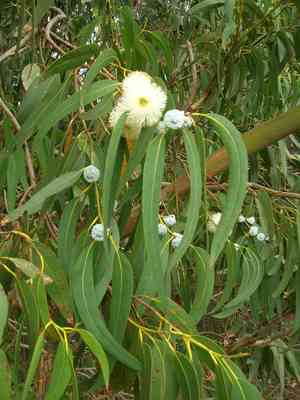
Tasmanian blue gum is celebrated for its impressive stature, standing tall and grand in any setting. This tree can reach heights of up to 70 meters, making it an excellent option for those aiming to introduce vertical interest to their outdoor spaces. The foliage of Tasmanian blue gum varies from blue-green to a silvery shade, providing a pleasing visual contrast. Furthermore, its bark peels off in long strips, revealing smooth, mottled patterns beneath, adding an extra layer of texture and visual fascination.
Seasonal changes in look
One of the captivating aspects of Tasmanian blue gum is its seasonal transformation. In spring and summer, its leaves are fully developed, offering lush greenery. During autumn, the foliage might adopt a slightly different hue, creating a dynamic appearance that shifts throughout the year. These seasonal changes impart a living, evolving quality to your landscape, making Tasmanian blue gum not just a tree but a focal point that presents something new each season.
Color contrast and texture incorporation in gardens
Tasmanian blue gum is particularly effective at creating color contrasts within a garden. Its blue-green leaves can stand out against the backdrop of other plants, especially those with darker or more vibrantly colored foliage. The texture of Tasmanian blue gum's bark and leaves also adds a tactile element to the landscape. By integrating Tasmanian blue gum with other plants that possess different textures, such as grasses or flowering shrubs, you can achieve a harmonious yet diverse garden design that captures attention.
Practical Advantages of Incorporating Tasmanian Blue Gum into Your Outdoor Area
Natural air purification capabilities
Tasmanian blue gum is not only visually appealing but also an environmental asset. It possesses natural air purification properties, absorbing pollutants and releasing fresh oxygen, thereby enhancing the air quality of your surroundings. This makes Tasmanian blue gum an excellent addition to urban gardens where air pollution might be a concern. Its capacity to cleanse the air can foster a healthier environment for you and your family.
Shade provision and microclimate regulation
The expansive canopy of Tasmanian blue gum offers excellent shade, making it an ideal tree for creating cool, shaded zones in your garden. This is beneficial not only for people seeking relief from the sun but also for other plants that may require partial shade. By planting Tasmanian blue gum, you can effectively manage the microclimate of your garden, ensuring all your plants have the right conditions to flourish.
Wildlife attraction and biodiversity support
Tasmanian blue gum is a magnet for wildlife, drawing in various birds, insects, and sometimes even small mammals. Its blossoms provide nectar for pollinators like bees and butterflies, while the tree itself offers shelter and nesting sites for birds. By incorporating Tasmanian blue gum into your garden, you are not only enhancing its beauty but also supporting local biodiversity, making your garden a vibrant ecosystem teeming with life.
Integrating Tasmanian Blue Gum into Various Landscape Designs
Complementing contemporary and minimalist landscapes
Due to its bold structure and sleek foliage, Tasmanian blue gum fits seamlessly into modern and minimalist garden designs. Its towering form can add vertical interest without overwhelming the space, contributing to a clean, uncluttered aesthetic. Pairing Tasmanian blue gum with elegant, geometric planters or modern garden sculptures can enhance the contemporary appeal of your outdoor area.
Enhancing traditional and rustic garden aesthetics
For those who prefer a more traditional or rustic garden style, Tasmanian blue gum also works wonderfully. Its natural, somewhat rugged appearance complements rustic elements like wooden benches, stone pathways, and vintage garden decor. The peeling bark and irregular growth add a charming, old-world ambiance, making it a versatile addition to various thematic gardens.
Combining with other plants for balanced visual appeal
Tasmanian blue gum excels when mixed with a variety of other plants, contributing to a balanced and aesthetically pleasing garden. When combined with flowering shrubs, ornamental grasses, or perennial flowers, Tasmanian blue gum can create a harmonious landscape. Its unique color and texture offer excellent contrast with flowering plants and variegated foliage, helping to achieve a well-rounded and visually engaging garden.
Long-Term Growth and Maintenance Considerations
Anticipated growth rates and spatial needs
Tasmanian blue gum is known for its rapid growth rate, particularly in its early years. It can grow several feet annually, making it crucial to consider the space it will require as it matures. Ensure your garden has sufficient vertical and horizontal space to accommodate its full-grown size. Proper planning will prevent overcrowding and competition for resources among plants.
Basic care guidelines (Light watering and regular trimming)
Caring for Tasmanian blue gum is relatively straightforward. It needs light watering, especially during dry periods, to establish its roots. Once established, it is drought-tolerant and requires minimal water. Periodic pruning helps maintain its shape and removes any dead or diseased branches, promoting healthier growth. Regular monitoring and minimal intervention can ensure a thriving Tasmanian blue gum in your garden.
Adapting to changing climatic conditions
Tasmanian blue gum is quite adaptable and can tolerate a range of climate conditions. However, it's beneficial to remain aware of extreme weather shifts. Mulching around the base can help retain soil moisture during hot spells and provide insulation during colder months. By being proactive and flexible in your care routine, you can ensure that Tasmanian blue gum remains a resilient and enduring part of your landscape.



