Enhancing Your Garden Design with the River red gum Plant: A Landscaping Guide
1
River red gum provides continuous aesthetic value, transforming its look throughout the year.
2
It's suitable for diverse landscape designs, including contemporary, classic, and drought-tolerant gardens.
3
Beyond its attractiveness, River red gum delivers functional advantages such as air cleansing, cover, and ground stabilization.
Appreciating the Visual Appeal of River Red Gum
Seasonal visual changes of River red gum
The visual charm of River red gum evolves throughout the year, making it a desirable option for landscape design. In spring and summer, its abundant leaves form a vibrant green canopy. As seasons shift to autumn and winter, the foliage of River red gum displays a spectrum of hues, adding visual interest and diversity to the scenery. This dynamic seasonal show not only boosts the garden's beauty but also fosters an engaging setting for those who enjoy observing nature's cycle.
Color and texture variations of River red gum
A key characteristic of River red gum is its wide array of colors and textures. Its bark alone can exhibit a range of shades from smooth gray to rough brown, offering a striking contrast to its green leaves. The leaves also contribute to the tree's tactile appeal, with their slender, elongated form gently swaying in the breeze. These differences in color and texture not only enhance the visual appeal of River red gum but can also serve as focal points in garden design, attracting attention and admiration from observers.
Height and canopy shape considerations
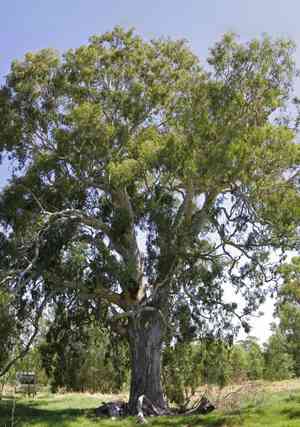
When planning to incorporate River red gum into your landscape, it's vital to consider its height and canopy shape. Mature River red gum can reach impressive heights, making it a dominant feature in a large garden or park. Its broad canopy provides extensive shade, perfect for creating cool, tranquil outdoor areas. However, due to its size, careful planning is needed to ensure it has ample space to grow without interfering with structures or other plants. The shape of the canopy, which can spread widely, should also be factored into space planning and garden aesthetics.
Integrating River Red Gum into Various Landscape Styles
Enhancing modern landscaping with River red gum
In modern landscaping, River red gum can function as an architectural element due to its striking appearance and structured form. Its tall, straight trunk and contrasting bark make it a compelling vertical feature that can balance other elements like geometric pathways or minimalist garden beds. The foliage of River red gum offers a soft, natural counterpoint to modern hardscaping materials such as concrete, metal, and glass, seamlessly blending nature with contemporary design. By incorporating River red gum, you can achieve a harmonious mix of modern aesthetics and natural beauty.
How River red gum fits into traditional garden designs
Traditional garden designs often emphasize harmony and balance, creating a sense of timeless beauty and tranquility. River red gum can be an excellent addition to such gardens, with its classic forms and natural charm. It can be placed as a majestic centerpiece in a large lawn area or used along garden paths to create a picturesque, shaded walkway. The naturalistic appearance of River red gum complements traditional plantings and garden structures, enhancing the serene and graceful ambiance typical of this style.
Utilizing River red gum in xeriscape gardens
River red gum is well-suited for xeriscape gardens, which prioritize water conservation and require drought-tolerant plants. Once established, River red gum is resilient to dry conditions, making it an eco-friendly choice for water-wise landscapes. Its deep root system helps it access water far below the surface, allowing it to thrive where other plants might struggle. By incorporating River red gum into a xeriscaped environment, you can create a landscape that is both sustainable and visually pleasing, characterized by River red gum's distinctive foliage and structure.
Practical Advantages of River Red Gum in Landscaping
Natural air purification qualities of River red gum
River red gum offers more than just visual appeal; it actively contributes to improving air quality. Its leaves can absorb pollutants and release oxygen, acting as a natural air purifier. This makes it a valuable addition to urban environments where air quality can be a concern. By planting River red gum in your garden or landscape, you not only enhance the beauty of the area but also contribute to a healthier living environment by improving the air quality.
Shade and cooling effects provided by River red gum
The expansive canopy of River red gum provides significant shade, ideal for creating cooler outdoor spaces in your landscape. This can be particularly beneficial in regions with hot climates, where shade can dramatically improve comfort levels for outdoor activities. Furthermore, the cooling effect of shaded areas can help lower temperatures around your home, potentially reducing the need for air conditioning and contributing to energy savings. By incorporating River red gum into your landscape, you can create a more comfortable and energy-efficient outdoor environment.
Erosion control and soil stabilization
Beyond its aesthetic and air-purifying advantages, River red gum also plays a crucial role in soil stabilization and erosion control. Its extensive root system helps anchor the soil, preventing erosion on slopes and embankments. This makes River red gum an excellent choice for landscapes prone to soil erosion challenges. By planting River red gum in strategic locations, you can help maintain soil integrity and enhance the long-term health of your garden or landscape.
Challenges and Considerations When Planting River Red Gum
Space requirements for mature River red gum
One of the primary considerations when planting River red gum is the space it requires to reach full maturity. This tree can grow quite large, so it's essential to ensure that it has enough space to develop without causing conflicts with buildings, pathways, or other plants. Proper planning and site selection are crucial to avoid overcrowding and to ensure that River red gum can thrive and display its full grandeur. This foresight will help prevent potential problems and ensure that the tree can grow healthily.
Water needs and drought tolerance
While River red gum can tolerate drought once established, it requires adequate watering during its initial growth phase. Understanding and managing its water needs is essential to support healthy development and long-term resilience. Regular, deep watering can help establish the tree's root system, making it more capable of withstanding dry spells later on. By providing the necessary care during these early stages, you can ensure that River red gum will become a robust and low-maintenance feature in your landscape.
Potential conflicts with local flora and fauna
Before planting River red gum, it's important to consider its potential impact on local flora and fauna. The tree's large root system and extensive canopy can compete with nearby plants for resources, which may affect their growth. Additionally, River red gum can provide habitat for various wildlife, which may or may not be desirable depending on your garden's ecosystem. Understanding these interactions can help you make informed decisions about where to plant River red gum and how to mitigate any potential conflicts with your existing landscape elements.



