Enhancing Your Garden Design with the Wallflower Plant: A Landscaping Guide
1
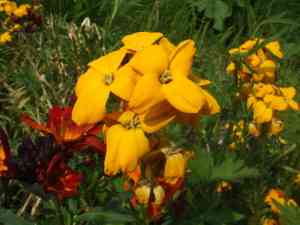
Wallflower brings vivid hues and a pleasant scent to your outdoor space, establishing an attractive and fragrant environment.
2
For Wallflower cultivation, selecting the ideal location is essential to guarantee they get the appropriate amount of sun and shade.
3
Consistent upkeep, such as adequate hydration and seasonal attention, will help your Wallflower remain robust and flourish throughout the year.
Introducing Wallflower in Garden Planning
Wallflower's visual charm in garden layouts
Wallflower is celebrated for its striking look and pleasant scent, making it a favored option for gardeners aiming to boost their landscapes' visual and aromatic appeal. Its blooms, in vivid hues from deep purples to bright yellows, can create stunning contrasts and highlights in any garden setting. Furthermore, the plant's varied heights and shapes add depth and texture, offering design flexibility. Whether used as an edging plant, ground cover, or in rockeries, Wallflower can significantly uplift a garden's aesthetic and fragrance.
Seasonal changes and their garden impact
Wallflower introduces seasonal variety to your garden, with its peak flowering often occurring in spring and early summer. During these periods, the garden is filled with a burst of colors and fragrance that attract attention and admiration. As seasons shift, the plant's appearance transforms, ensuring your garden remains engaging and dynamic throughout the year. For instance, in autumn, Wallflower's foliage can offer a contrasting backdrop to fall plants, while in winter, its robust nature ensures some greenery during colder months.
Selecting the Ideal Spot for Wallflower
Sunlight and shade considerations
When choosing a planting location for Wallflower, it's crucial to assess the amount of sunlight the area receives. Wallflower thrives best in full sun to partial shade, meaning it needs at least six hours of direct sunlight daily to flourish. Avoid planting Wallflower in heavily shaded areas, as insufficient light can hinder its growth and reduce its blooming potential. Instead, opt for spots that get morning sun and some afternoon shade to shield it from intense rays and maintain optimal growing conditions.
Understanding soil preferences for best growth
Wallflower prefers well-draining soil rich in organic matter. Before planting, it's beneficial to test your garden's soil and amend it with compost or other organic materials to improve its quality. Ensure the soil has a pH level between 6.0 and 7.5, which is ideal for Wallflower. Additionally, proper soil drainage is essential, as waterlogged conditions can lead to root rot and other plant diseases. If you have heavy clay soil, consider raising the planting bed or using containers to enhance drainage and provide a healthier environment for your Wallflower.
Combining Wallflower with Other Plants
Companion plants that enhance Wallflower's features
Pairing Wallflower with complementary plants can highlight its beauty and create a cohesive garden design. Plants like lavender, rosemary, and ornamental grasses are excellent companions, as they share similar soil and sunlight needs and can boost Wallflower's visual appeal through contrasting textures and colors. Moreover, these companion plants can help attract beneficial insects, fostering a healthier garden ecosystem. When planning your garden, consider placing Wallflower alongside plants with different bloom times or foliage colors to create a dynamic and ever-changing landscape.
Preventing plant competition: Spacing and placement tips
Correct spacing is vital to prevent plant competition and ensure your Wallflower has ample room to grow and access necessary resources like sunlight, water, and nutrients. When planting Wallflower, maintain a distance of at least 12 to 18 inches between each plant to allow for adequate air circulation and reduce disease risk. Avoid overcrowding, as this can lead to stunted growth and increased stress on your plants. Planning your garden layout with appropriate spacing not only supports healthier plants but also creates a more balanced and aesthetically pleasing garden design.
Wallflower Care Tips for Your Garden
Regular care practices for robust growth
Regular care is crucial for Wallflower's healthy development. This includes consistent watering, especially during dry periods, to keep the soil moist but not waterlogged. Mulching around the plant bases can help retain moisture and regulate soil temperature. Additionally, feeding Wallflower with a balanced, slow-release fertilizer in early spring promotes vigorous growth and abundant flowering. Prune your plants after blooming to remove spent flowers and encourage stronger growth in the next season. Also, monitor for pests and diseases, addressing any issues promptly to prevent widespread damage.
Seasonal upkeep for year-round appeal
To maintain your Wallflower's appeal throughout the year, it's important to perform seasonal maintenance tasks. In spring, focus on fertilizing and pruning your plants to stimulate new growth. During summer, regular watering and mulching are essential to sustain the plants during hot weather. As autumn approaches, remove any dead or diseased foliage and prepare your Wallflower for cooler months by adding a layer of mulch to protect the roots. In winter, while Wallflower is relatively hardy, providing some shelter or using frost cloths during severe cold spells can help prevent frost damage and keep your plants in good condition.
Creative Ways to Showcase Wallflower in Landscape Designs
Innovative layout concepts for Wallflower
There are many creative approaches to featuring Wallflower in your landscape design. Consider using Wallflower to create colorful borders along paths or garden edges, which can guide the eye through your garden and highlight its structure. Planting Wallflower in clusters can create a striking visual impact, especially when combined with contrasting plant varieties. Additionally, integrating Wallflower into rock gardens or alpine displays can showcase its adaptability and add a naturalistic touch to your landscape. Experiment with different planting patterns and combinations to discover unique layouts that enhance your garden's overall appeal.
Using Wallflower as a central element in garden themes
Wallflower can serve as an excellent focal point in themed garden designs, drawing attention and creating visual interest. For example, in a cottage garden, Wallflower adds a nostalgic charm with its vibrant colors and fragrant blooms. In a Mediterranean-themed garden, Wallflower's resilience and aesthetic blend well with other drought-tolerant plants and architectural elements like stone paths and terracotta pots. By thoughtfully integrating Wallflower as a centerpiece or accent plant, you can elevate the design and character of your garden, making it a memorable and inviting space.



