Enhancing Your Garden Design with the California fuchsia Plant: A Landscaping Guide
1
California fuchsia flourishes in soil that drains well and receives ample sunlight.
2
Incorporating California fuchsia can introduce vivid hues to your garden from the warmer months into early autumn.
3
California fuchsia withstands dry conditions, making it a superb option for gardens requiring minimal irrigation.
Introducing California Fuchsia to Your Landscape
Overview of California fuchsia's beauty and appeal
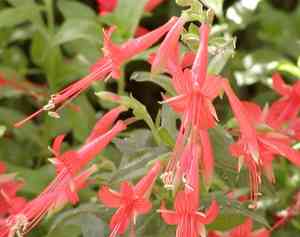
Integrating California fuchsia into your garden design can infuse a burst of vivid color and captivating charm. This plant flowers abundantly from summer to early autumn, displaying brilliant red or orange blossoms that attract hummingbirds and butterflies. Its delicate, slender foliage offers a lovely contrast with many other plants, making it a versatile option for any garden style. Whether utilized as ground cover, a border plant, or in rock gardens, California fuchsia can elevate the overall aesthetic of your outdoor area.
Advantages of selecting California fuchsia for landscaping
Opting for California fuchsia in your landscape project provides numerous benefits. Firstly, it is highly drought-resistant, needing minimal water once established, which makes it ideal for water-efficient gardening. Secondly, it requires relatively little upkeep, reducing the need for frequent care and allowing you to enjoy your garden more. Additionally, California fuchsia is known to draw in beneficial wildlife like hummingbirds, adding a dynamic and lively element to your garden while supporting local ecosystems.
Design Principles for California Fuchsia
Integrating California fuchsia with other plant species
When planning a landscape with California fuchsia, plant compatibility is crucial. California fuchsia pairs effectively with other drought-tolerant plants such as lavender, sage, and yarrow. These plants share similar water and sunlight requirements, fostering a unified and sustainable garden. Blending diverse textures and sizes, like the soft, fine leaves of California fuchsia with the broader leaves of lavender, can create visual interest and balance in your garden layout.
Color palettes and seasonal considerations
Color is a vital aspect of landscape design, especially when using a vibrant plant like California fuchsia. Its bright red or orange flowers can serve as a focal point or accent within various color schemes. Pairing California fuchsia with dark green foliage or purple blooms can produce striking contrasts. Furthermore, consider the seasonal aspects of your garden â California fuchsia blooms from summer through early fall, so combining it with early-flowering perennials ensures continuous color throughout the growing season.
Practical Advice for Planting California Fuchsia
Optimal locations and soil preferences for California fuchsia
California fuchsia thrives in areas with full sun and well-draining soil. Before planting, ensure you choose a spot that receives at least six hours of direct sunlight daily. The plant prefers slightly acidic to neutral soil (pH 6.0-7.0); incorporating organic compost can enhance soil quality and drainage. Avoid locations where water collects after rain, as California fuchsia is susceptible to root rot in waterlogged conditions.
Spacing and grouping recommendations for best growth
Correct spacing is essential for the healthy development of California fuchsia. Plant them approximately 12 to 18 inches apart to allow sufficient airflow and minimize disease risk. For a more natural appearance, arrange California fuchsia plants in odd numbers and stagger their placement. This method not only improves visual appeal but also ensures each plant has ample room to grow and flourish.
Maintaining California Fuchsia in Your Landscape
Watering and nutrient requirements
Once established, California fuchsia needs minimal watering, relying mostly on natural rainfall. During extended dry periods, a thorough watering every few weeks will suffice. Overwatering can be harmful, leading to root rot. Fertilizing is generally not necessary for California fuchsia, but if your soil is particularly poor, a light application of a balanced, slow-release fertilizer in spring can encourage healthy growth.
Seasonal care tasks
Caring for California fuchsia involves a few seasonal duties. In late winter or early spring, prune the plant to remove any dead or damaged stems. This promotes new growth and keeps the plant looking neat. Mulching around the plant's base helps retain moisture and suppress weeds. Finally, as the blooming season concludes, deadhead the spent flowers to extend the flowering period and prevent unwanted self-seeding.
Creative Applications of California Fuchsia in Landscape Designs
Innovative placement ideas for visual impact
California fuchsia can be used creatively to boost the visual appeal of your landscape. Consider planting it along paths or garden borders where its vibrant flowers can be admired closely. It also works well in rock gardens or as ground cover on slopes and embankments, providing a burst of color and stabilizing the soil. Positioning California fuchsia near seating areas or windows allows you to enjoy the wildlife it attracts, adding movement and life to your garden.
Integrating California fuchsia with hardscape elements
Combining California fuchsia with hardscape features like stone pathways, retaining walls, or garden sculptures can create a striking visual contrast. The bright blooms of California fuchsia stand out beautifully against the neutral tones of stone or concrete. Use California fuchsia to soften the edges of hardscape elements, adding a natural, organic touch. This blend of plant life and permanent structures can create a harmonious and aesthetically pleasing landscape.



