Enhancing Your Garden Design with the Woodland elaeocarpus Plant: A Landscaping Guide
1
Woodland elaeocarpus offers a distinct visual charm to diverse garden designs.
2
Place Woodland elaeocarpus strategically to improve its relationship with nearby flora.
3
Yearly maintenance is vital for the robust development of Woodland elaeocarpus within your landscape.
Introducing Woodland Elaeocarpus to Your Landscape
Understanding the function of Woodland elaeocarpus in garden design
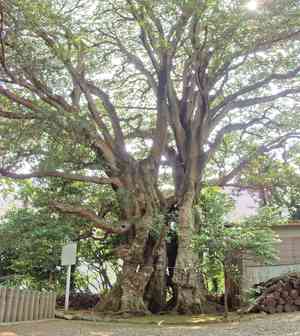
In garden planning, Woodland elaeocarpus serves both practical and aesthetic roles. It can act as a central element, drawing attention and providing structure to your garden layout. Due to its distinct foliage and growth habits, Woodland elaeocarpus offers seasonal variation and visual appeal, contributing to a lively and captivating landscape throughout the year. Additionally, Woodland elaeocarpus offers shade, shelter for local fauna, and can be used as a privacy screen.
The visual appeal of Woodland elaeocarpus: What does it add to your garden?
Woodland elaeocarpus is valued for its striking appearance. Its leaves and branches create a lush backdrop that complements other plants, adding depth and texture to your garden. Its aesthetic adaptability means it can be incorporated into various design themes, from tropical to modern minimalist gardens. The plant's naturally attractive structure also means it requires minimal creative pruning to maintain its form.
Optimal Placement for Woodland Elaeocarpus in Your Landscape
Ideal positioning for various garden styles
Correctly placing Woodland elaeocarpus in your garden is vital to maximize its visual and practical advantages. For formal gardens, consider situating it alongside paths or as a backdrop for flower beds. In more informal or naturalistic settings, Woodland elaeocarpus can be interspersed within plant groupings or near water features to enhance its inherent beauty. Its height and spread make it suitable for both solitary planting and as part of a larger plant cluster.
How Woodland elaeocarpus interacts with other flora
Woodland elaeocarpus integrates well with a variety of plants. Its shade can provide a canopy for shade-loving plants, creating multi-layered planting schemes. Pairing Woodland elaeocarpus with plants that have different bloom times can ensure year-round interest in your garden. Additionally, its root system coexists harmoniously with others, reducing competition for resources. However, be mindful of spacing to prevent overcrowding.
Seasonal Considerations for Planting Woodland Elaeocarpus
Optimal times of year to plant Woodland elaeocarpus
Planting Woodland elaeocarpus at the appropriate time of year is critical for its successful establishment and development. The best times to plant Woodland elaeocarpus are during early spring or autumn when temperatures are moderate. This timing ensures that the plant can establish its roots before facing the stress of extreme heat or cold. Planning the planting during these seasons will give Woodland elaeocarpus the best start in its new location.
Preparing for seasonal shifts
Preparing Woodland elaeocarpus for seasonal changes involves mulching to protect the roots during winter and providing sufficient water during dry summer months. Pruning in late winter can help maintain its shape and remove any damaged branches, ensuring healthy growth in the upcoming season. Additionally, applying a slow-release fertilizer in early spring can promote vigorous growth as temperatures rise.
Enhancing Woodland Elaeocarpus with Landscaping Elements
Integrating water features with Woodland elaeocarpus
Water features such as ponds, fountains, or water gardens can significantly amplify the presence of Woodland elaeocarpus in your landscape. The reflective water surfaces highlight Woodland elaeocarpus's foliage, creating a serene and picturesque setting. Positioning Woodland elaeocarpus near water features can also mimic its natural habitat, fostering a more cohesive and harmonious garden environment.
Utilizing pathway and bench designs to accentuate Woodland elaeocarpus's presence
Pathways and benches can be strategically placed to highlight Woodland elaeocarpus as a focal point. Curved pathways that guide visitors toward Woodland elaeocarpus create a sense of journey and discovery. Benches positioned under or near Woodland elaeocarpus offer peaceful resting spots where one can enjoy the plant's beauty and the garden's overall ambiance. These features enhance the appeal and functionality of your garden layout.
Maintaining Woodland Elaeocarpus in Your Garden
General upkeep advice for Woodland elaeocarpus without detailed care instructions
Maintaining Woodland elaeocarpus involves consistent watering, especially during dry spells, and ensuring the soil remains well-drained. Mulching around the base can help retain moisture and regulate soil temperature. Removing fallen leaves and debris will prevent disease and pests. Keep an eye out for any signs of stress or illness and address them promptly to maintain healthy growth. Basic care routines like these can go a long way in ensuring Woodland elaeocarpus thrives in your garden.
Overview of seasonal grooming for sustained vitality
Seasonal grooming of Woodland elaeocarpus includes pruning, fertilizing, and protective measures. Prune Woodland elaeocarpus in late winter or early spring to maintain its shape and health. Apply a balanced fertilizer in spring to promote vibrant growth. During winter, protect young or newly planted Woodland elaeocarpus from frost with a layer of mulch. Consistent seasonal care ensures that Woodland elaeocarpus remains an enduring and attractive feature in your landscape.
Common Questions About Using Woodland Elaeocarpus in Landscaping
Can Woodland elaeocarpus flourish in shaded areas?
Yes, Woodland elaeocarpus can endure partial shade, though it prefers full sun to partial shade for optimal development. It's crucial to ensure that while Woodland elaeocarpus can accept some shade, it still requires ample light to thrive and maintain its dense foliage. Proper placement considering the sun's trajectory throughout the day can help achieve a balance.
How does Woodland elaeocarpus affect local fauna?
Woodland elaeocarpus can positively influence local wildlife by providing shelter and sustenance. Its dense foliage offers nesting sites for birds and habitat for various insects. The flowers and fruits can attract pollinators and other beneficial creatures, enhancing the biodiversity of your garden. Considering local wildlife can make your garden not only beautiful but also ecologically supportive.



