Enhancing Your Garden Design with the Thorny olive Plant: A Landscaping Guide
1
Thorny olive is a resilient evergreen shrub recognized for its robustness and capacity to flourish in diverse environments.
2
Thoughtfully positioning Thorny olive can establish striking centerpieces within your garden's design.
3
Interplanting with Thorny olive not only improves aesthetic charm but also fosters a more vibrant garden environment.
Introducing Thorny Olive for Garden Design
Why select Thorny olive for your outdoor space?
When evaluating plants to enhance your garden, Thorny olive stands out for multiple reasons. Firstly, its hardy nature allows it to flourish in diverse environments, making it an excellent option for gardeners seeking a low-maintenance yet visually striking addition to their landscape. Furthermore, Thorny olive offers continuous greenery, ensuring your garden maintains its lively charm even in colder months. Its distinctive foliage and subtle growth patterns impart a touch of sophistication and structure, elevating the overall appeal of your outdoor area.
Key characteristics of Thorny olive that enhance outdoor settings
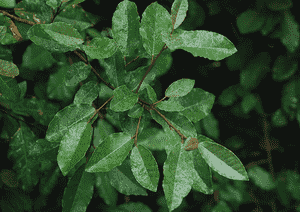
Thorny olive is highly valued for its dense, bushy habit, which makes it superb for forming natural barriers or privacy screens. Its small, oval leaves are typically dark green, accented with silver or bronze tones, adding rich texture to your garden. Not only is Thorny olive aesthetically pleasing, but it is also remarkably resilient, enduring harsh weather, drought, and various soil types. This adaptability makes it an outstanding addition to any garden, regardless of local climate or soil composition.
Designing with Thorny Olive: Strategic Placement Advice
Optimal locations for Thorny olive in your garden
Identifying the best spots for Thorny olive in your garden is vital for maximizing its impact. This tough shrub thrives in both full sun and partial shade, offering placement flexibility. Consider border areas, entry points, or along fences where Thorny olive can serve both an aesthetic and practical purpose. Due to its dense growth, Thorny olive is also excellent for filling garden gaps, providing both coverage and a seamless, refined look.
Creating visual highlights with Thorny olive
To establish stunning focal points, plant Thorny olive in groupings or use it as a solitary statement piece. When positioned thoughtfully, its lush foliage and unique leaf color can attract attention and add depth to your garden design. For instance, placing Thorny olive near a seating area or alongside colorful flower beds can provide contrast and emphasize its natural beauty. Also, consider using Thorny olive to frame pathways or garden entrances, adding a welcoming element to your outdoor space.
Balancing visual appeal and growth requirements
While Thorny olive offers significant ornamental advantages, it's crucial to balance these with its growth needs. Ensure Thorny olive has ample room to expand without encroaching on other plants. Regular trimming can help maintain its form and prevent it from becoming overly sprawling. By understanding and accommodating Thorny olive's growth habits, you can enjoy a lush, well-ordered garden where beauty and practicality coexist harmoniously.
Companion Planting with Thorny Olive
Choosing complementary plants for Thorny olive
Selecting the right companions for Thorny olive can boost your garden's beauty and vitality. Opt for plants with contrasting colors and textures to create a visually engaging landscape. For example, pairing Thorny olive with vibrant flowering plants like roses or perennials can introduce a burst of color that complements its muted tones. Additionally, low-growing ground covers can help fill spaces around Thorny olive, contributing to a diverse and layered garden aesthetic.
Advantages of companion planting with Thorny olive
Companion planting with Thorny olive offers numerous benefits beyond just aesthetics. Integrating a variety of plants can improve soil health, pest resistance, and overall biodiversity in your garden. For instance, companion plants can attract beneficial insects that prey on pests, reducing the need for chemical pesticides. Moreover, a mix of plants can create a microenvironment that supports healthy growth for all species involved, fostering a balanced and flourishing garden ecosystem.
Seasonal Considerations for Thorny Olive in Your Landscape
Adapting your garden with Thorny olive throughout the year
Thorny olive is an evergreen shrub, providing continuous appeal that helps maintain your garden's charm across different seasons. In spring and summer, it pairs beautifully with blooming flowers, adding rich greenery to vibrant color displays. During autumn and winter, Thorny olive retains its foliage, offering structure and stability when other plants may have shed their leaves. Consider seasonal companion plants that flower or display foliage during off-peak times to keep your garden dynamic and engaging year-round.
Preparatory actions for various seasons
To ensure Thorny olive thrives through all seasons, certain preparatory steps are necessary. In spring, apply a balanced fertilizer to support new growth. Mulching around the base can help retain moisture during hot summer months. Consistent watering is crucial, especially during dry spells, to maintain its vibrant foliage. As fall approaches, prune Thorny olive to encourage healthy growth and prepare it for winter. Ensuring the plant is well-hydrated before the first frost can help it withstand colder temperatures.
Maintenance Tips for Thorny Olive in Landscaping
Key upkeep tasks for Thorny olive
Maintaining Thorny olive involves a few essential tasks to keep it looking its best. Regular pruning is vital to manage its growth and shape, preventing it from becoming overgrown. Consistent watering, particularly during dry periods, ensures its lush appearance. Applying mulch can help retain soil moisture and suppress weeds around the base. Also, periodic fertilization during the growing season supports healthy development and resilience.
Managing the vigorous growth of Thorny olive
Thorny olive is known for its robust growth, which can be both an advantage and a challenge. To manage this vigorous characteristic, regular pruning and trimming are necessary. This not only helps maintain the desired shape but also encourages healthy new growth. Additionally, monitoring for any signs of pests or disease and addressing them promptly will keep Thorny olive vibrant and healthy. By staying on top of these tasks, you can enjoy the full beauty and benefits of Thorny olive in your landscape.



