Enhancing Your Garden Design with the Painted-lady Plant: A Landscaping Guide
1
Painted-lady flourishes in soil that drains well and receives ample sunlight.
2
Thoughtful placement of Painted-lady can produce impressive visual differences in your garden.
3
Cultivating Painted-lady alongside other succulents encourages unified development and visual appeal.
Introducing Painted-lady to Your Outdoor Space
Why Select Painted-lady for Landscaping?
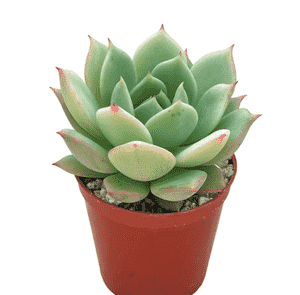
Opting for Painted-lady in your garden design offers numerous advantages. Its distinctive rosette form and appealing coloration make it a focal point in any setting. This plant adapts well to various climates, and its ability to withstand dry conditions makes it a low-effort choice for busy gardeners. Furthermore, Painted-lady attracts beneficial insects, fostering a healthy garden ecosystem.
Optimal Spots for Painted-lady in Your Garden
The most suitable locations for planting Painted-lady are areas receiving ample sunlight, as it thrives in full sun exposure. Consider placing it in rockeries, alongside pathways, or in elevated beds with good soil drainage. It also flourishes in pots, which can be easily repositioned to capture ideal sunlight. Steer clear of overly shaded spots, as these can impede the plant's growth and vibrancy.
Design Principles Utilizing Painted-lady
Crafting Color Contrasts
Painted-lady is excellent for introducing bursts of color into your garden scheme. Its vivid hues can be juxtaposed with plants featuring darker foliage or subdued tones to create a visually striking display. By positioning Painted-lady next to complementary colors, you can elevate the overall aesthetic of your garden, making it an engaging and memorable space.
Balancing Plant Textures
Incorporating diverse textures in your garden is crucial for generating depth and visual interest. Painted-lady's smooth, succulent leaves pair well with plants possessing finer textures, such as ornamental grasses or ferns. This textural contrast helps to harmonize the garden's visual elements, making it more attractive and dynamic.
Arrangement Concepts for Visual Appeal
When arranging Painted-lady in your garden, consider varying heights and spacing between individual plants. Grouping them in odd numbers—like three or five—tends to produce a more organic appearance. Additionally, think about using Painted-lady in vertical gardens or as a ground cover to maximize its visual impact. Experimenting with different layouts can help you discover the most aesthetically pleasing configuration.
Pairing Painted-lady with Other Flora
Compatible Plants for Painted-lady
When selecting companion plants for Painted-lady, choose species that share similar water and light requirements. Other succulents and drought-tolerant plants are excellent choices. For instance, consider combining Painted-lady with sedums, agaves, or aeoniums. These pairings can create a unified and visually pleasing garden area.
How to Arrange Plants for Harmonious Development
Achieving harmonious growth in your garden requires careful planning and placement. Ensure each plant has sufficient room to grow without becoming overcrowded. This not only promotes robust growth but also allows each plant to showcase its full beauty. Position taller plants behind shorter ones to prevent shading and to create a layered effect. Regularly inspect your garden to make necessary adjustments to maintain balance and cohesion.
Seasonal Considerations for Painted-lady
Optimal Planting Periods for Painted-lady
The best time to plant Painted-lady is during spring or early summer when temperatures are mild and consistent. This enables the plant to develop a strong root system before the summer heat or winter cold arrives. Avoid planting during extreme weather conditions to give Painted-lady the best chance of flourishing.
Preparing Painted-lady for Seasonal Shifts
As seasons change, so do your plants' requirements. During colder months, consider shielding Painted-lady from frost by covering it or moving potted plants indoors. In summer, ensure Painted-lady receives adequate, but not excessive, watering, as too much moisture can lead to root rot. Regularly check your plants for signs of stress and adjust care routines accordingly to ensure their year-round health.



