Enhancing Your Garden Design with the Corn plant Plant: A Landscaping Guide
1
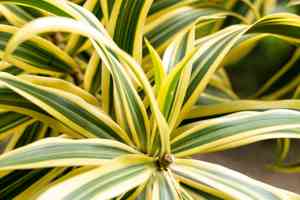
The Corn plant serves as an impressive centerpiece in garden aesthetics.
2
Group Corn plants together to achieve a lush, tropical ambiance.
3
Corn plants are suitable for planting directly in the earth or in pots.
Introducing Corn plant to Your Outdoor Space
Understanding the Aesthetic Value of Corn plant
Corn plant adds a distinct and refreshing look to any outdoor area with its vibrant green leaves and tall, elegant shape. Its striking foliage can range from solid green to streaked with yellow or white variations, making it a flexible choice for infusing natural beauty into your environment. The natural curve of its leaves also provides a graceful, flowing component that offers a pleasing contrast to more rigid garden features.
Selecting the Ideal Location for Corn plant
Choosing the optimal spot for Corn plant in your garden is vital for showcasing its beauty. It thrives best in locations with indirect sunlight, making it suitable for shaded or partially shaded garden areas. Consider placing Corn plant near patios, pathways, or as a backdrop for smaller plants to establish depth in your landscape design. Ensure the chosen site offers protection from strong winds and harsh temperatures for prime growth.
Matching Corn plant with Other Plants for Visual Appeal
To boost your landscape's visual appeal, pair Corn plant with complementary plants that feature diverse textures and colors. Think about using ferns, hostas, or colorful annuals as groundcover to emphasize the striking appearance of Corn plant. You can also mix it with other tropical plants to achieve a lush, exotic garden theme. The key is to balance the height and density of Corn plant with surrounding plants to maintain a harmonious and attractive garden aesthetic.
Leveraging the Versatility of Corn plant in Landscaping
Using Corn plant as a Focal Point in Garden Design
Corn plant can serve as a prominent focal point in your garden, drawing attention and creating a natural centerpiece. Position it amidst an expanse of groundcover, at a garden entrance, or as a striking feature to anchor a flower bed. Its impressive height and form make it an excellent selection for breaking monotony and adding vertical interest to your outdoor area.
Grouping Corn plant for a Lush, Tropical Effect
For a more dramatic impact, consider planting Corn plant in clusters. By arranging several plants together, you can create a dense, tropical atmosphere that transforms any garden into a verdant escape. This method works well along garden borders, around water features, or to form a secluded spot within your yard. The layered effect adds depth and richness to the garden, making it seem more opulent and inviting.
Incorporating Corn plant in Container Gardens
Corn plant is not only suitable for in-ground planting but also flourishes in container gardens. This makes it a great option for those with limited space. Use sizable pots with adequate drainage to plant Corn plant, and place them on patios, terraces, or in balcony gardens. The portability of containers allows you to easily relocate the plants to find the best growing conditions and to reconfigure your garden layout as desired.
Maintenance Tips for Corn plant in Your Landscape
Seasonal Care Adjustments for Optimal Growth
To ensure Corn plant thrives, adjust its care routine seasonally. During warmer periods, consistent watering is crucial, but ensure good soil drainage to avoid root rot. In colder months, reduce watering frequency and shield it from frost. Fertilize Corn plant during its active growth phase with a balanced, general-purpose fertilizer to encourage healthy development.
Practical Mulching Techniques Around Corn plant
Applying mulch around Corn plant helps retain soil moisture, regulate temperature, and suppress weeds. Spread a 2-3 inch layer of organic mulch, such as shredded bark or compost, around the plant's base, making sure to keep it clear of the stem to prevent decay. Regularly refresh the mulch to maintain its effectiveness and improve soil quality.
Preventing Common Pests in Corn plant
Although Corn plant is relatively pest-resistant, it can occasionally be affected by common garden pests like spider mites, mealybugs, or scale insects. Regularly inspect the plant for signs of infestation and treat with appropriate methods such as insecticidal soap or neem oil. Maintaining good garden hygiene and avoiding overwatering can also help prevent pest problems.
Creative Uses of Corn plant in Modern Landscape Designs
Innovative Planting Techniques for Contemporary Aesthetics
For a contemporary feel, consider using Corn plant in modern planting methods like vertical gardens or living walls. Its upright growth habit and lush foliage make Corn plant an ideal candidate for adding greenery to otherwise bare walls. This creates a striking visual impact and efficiently uses vertical space, especially in urban gardens.
Combining Corn plant with Hardscaping Elements
Corn plant pairs beautifully with hardscaping features such as stone pathways, wooden decks, or concrete planters. The contrast between the plant's organic shape and the structured hardscape creates a pleasing balance in the garden design. Use Corn plant to soften the edges of hardscaping features or as a natural barrier to define different garden zones.
Highlighting Corn plant Through Strategic Lighting Placements
Accent lighting can significantly enhance Corn plant's presence in your landscape. Use spotlights or uplights to emphasize its silhouette and foliage, creating stunning visual effects at night. Placing lights at the plant's base can cast interesting shadows and highlight its architectural lines, adding a dynamic element to your garden after dark.



