Enhancing Your Garden Design with the Rainbow tree Plant: A Landscaping Guide
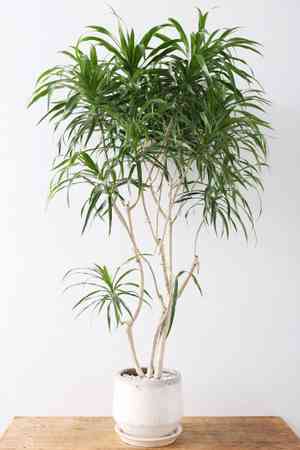
1
Rainbow tree adapts well to diverse light environments, though it favors filtered sunlight.
2
Incorporating Rainbow tree alongside other flora results in a visually engaging garden.
3
Appropriate maintenance and positioning of Rainbow tree guarantee enduring appeal in your outdoor space.
Introducing Landscape Design with Rainbow tree
Understanding the Visual Appeal of Rainbow tree
Integrating Rainbow tree into your outdoor space can significantly enhance its aesthetic charm. This plant is renowned for its graceful leaves and vivid hues, imparting a sense of peace and beauty to any garden. Its unique look can serve as a central feature or complement other design elements, making it a versatile option for gardeners of all skill levels.
Rainbow tree's Role in Contemporary Landscaping
In modern landscape design, Rainbow tree plays a vital part due to its adaptability and visual attractiveness. It seamlessly integrates into various garden styles, from minimalist to tropical themes. Furthermore, its capacity to purify air and introduce a natural element to urban settings makes it a favored choice among landscapers. Whether designing a small city garden or an expansive outdoor sanctuary, incorporating Rainbow tree can elevate the overall atmosphere and utility of your area.
Selecting the Ideal Spot for Rainbow tree in Your Garden
Factors for Optimal Placement Consideration
Choosing the best location for Rainbow tree involves assessing elements such as light, soil, and available space. Rainbow tree prefers well-draining soil and can thrive in both shaded and sunny areas, though indirect sunlight is optimal. Evaluate your landscape to find spots where Rainbow tree can grow without being overshadowed by larger plants or structures. Ensuring ample room for growth will allow Rainbow tree to reach its full potential, adding a lively dynamic to your garden.
How Sun Exposure Impacts Rainbow tree
Rainbow tree is quite adaptable to various illumination conditions, but it flourishes best with filtered sunlight. Excessive direct sun can scorch its leaves, while insufficient light can impede its development. Rotate potted plants periodically to ensure uniform light distribution, or plant it in a location receiving dappled sunlight. Observing the plant's reaction to sun exposure can guide you in preserving its health and enhancing its splendor.
Pairing Rainbow tree with Other Plants
Compatible Plant Species for Rainbow tree
To create a cohesive and visually engaging garden, combine Rainbow tree with plants that complement its appearance and growth requirements. Plants such as ferns, hostas, and other shade-loving varieties pair well with Rainbow tree, as they share similar water and light needs. Mixing plants with diverse textures and colors alongside Rainbow tree can establish a balanced and harmonious landscape.
Design Suggestions for a Harmonious Arrangement
When incorporating Rainbow tree with other plants, consider their height, spread, and color schemes to ensure a unified look. Position taller plants towards the rear and shorter ones in the foreground to create depth and dimension. Utilizing Rainbow tree as a central feature surrounded by complementary species can draw the eye and establish a focal point. Additionally, experimenting with various arrangements before finalizing your layout can help you visualize and achieve a more harmonious garden design.
Seasonal Considerations for Rainbow tree
Adjusting Your Landscaping Strategy with the Seasons
Landscaping with Rainbow tree necessitates adapting your approach based on seasonal shifts. During warmer months, ensure adequate hydration and shield it from excessive direct sunlight. In cooler seasons, reduce watering and provide some cover to protect against frost. Seasonal upkeep, such as pruning and fertilizing, should also be tailored to Rainbow tree's needs to maintain its health year-round.
What to Anticipate During Different Seasons
Each season presents distinct challenges and opportunities for Rainbow tree. In spring and summer, expect vigorous growth and vibrant foliage, provided the plant receives proper care. Autumn might bring a slowdown in growth, requiring less watering and preparation for overwintering. Understanding how Rainbow tree responds to changing seasons can help you better manage its care and ensure it remains an attractive feature of your landscape throughout the year.
Maintenance Advice for Rainbow tree in Landscapes
Basic Upkeep and Care Methods
Regular maintenance is crucial to keep Rainbow tree looking its best. Consistent watering, ensuring the soil stays moist but not waterlogged, is vital. Mulching around the base can help retain moisture and regulate soil temperature. Periodically clean the leaves to remove dust and improve photosynthesis. Fertilize during the growing season with a balanced fertilizer to support healthy growth and vibrant foliage.
Addressing Common Issues in Maintaining Rainbow tree
Rainbow tree can be vulnerable to pests and diseases like spider mites and root rot. Early detection and treatment are key to preventing damage. Use organic insecticides or manually remove pests to control infestations. Ensure proper drainage to avoid root-related problems. Regularly inspect the plant for signs of stress or disease, and take prompt action to resolve any issues to maintain the health and beauty of Rainbow tree in your landscape.



