Enhancing Your Garden Design with the Date-plum Plant: A Landscaping Guide
1
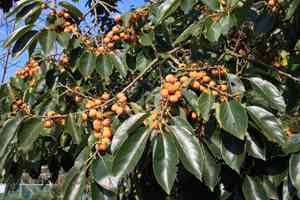
The Date-plum tree can reach heights of 30 feet, providing significant shade and aesthetic appeal.
2
This adaptable plant thrives in various soil conditions and weather patterns.
3
Date-plum displays beautiful color shifts throughout the year, enhancing garden aesthetics in every season.
Grasping the Fundamentals of Date-plum in Garden Design
Why is Date-plum an excellent choice for garden aesthetics?
When considering enhancements for your outdoor space, selecting the appropriate plant is vital. Date-plum excels due to its adaptability and visual appeal. It can readily become a central feature in your garden, thanks to its attractive foliage and prominent large leaves. Furthermore, it's recognized for its hardiness, withstanding various weather conditions while retaining its lively appearance. Whether you're an experienced gardener or a beginner, Date-plum is forgiving and rewarding, making it an ideal candidate for improving your landscape.
The growth characteristics of Date-plum: Dimensions and form
Understanding the developmental patterns of Date-plum can assist in effective garden planning. Typically, Date-plum can reach heights of up to 30 feet and spread approximately 15 feet wide. This deciduous tree possesses a balanced, rounded shape that offers a pleasing visual equilibrium. It's crucial to provide ample room for its growth without overcrowding other plants. Correct spacing ensures Date-plum receives sufficient sunlight and air circulation, fostering healthier development and reducing disease risk.
Seasonal transformations of Date-plum: What to anticipate throughout the year
One of the enchanting aspects of incorporating Date-plum into your garden is observing its metamorphosis across the seasons. In spring, expect delicate new leaves and subtle blossoms that prepare for a lush summer display. As autumn approaches, the foliage shifts to a beautiful golden hue, providing a striking contrast against your garden's backdrop. In winter, the bare branches contribute a stark yet elegant structure to the scenery. Comprehending these seasonal changes will help you appreciate and plan for year-round beauty in your garden.
Creative Concepts for Integrating Date-plum into Your Garden
Solo feature: Employing Date-plum as a central element
If you aim to create a bold impression in your garden, utilizing Date-plum as a focal point is an excellent option. Its impressive height and spread can capture attention, forming a natural centerpiece. Position Date-plum in an open area where it can stand out unobstructed. Surrounding it with low-growing plants or ground cover can accentuate its grandeur. Additionally, placing a bench or other seating nearby allows you to relax and enjoy the vista it offers.
Companion planting: What complements Date-plum well
Companion planting with Date-plum introduces diversity and layers to your garden. Consider pairing it with plants that harmonize with its color and size. Flowers such as lilies or tulips in spring and summer add bursts of color, while low shrubs or ground covers like hostas provide a rich, green foundation. Herbs like lavender and rosemary also offer pleasant fragrances and can thrive in the reduced light levels created by Date-plum's shade. These combinations not only enrich your garden aesthetically but also foster a healthier ecosystem.
Building depth and texture with Date-plum
To cultivate a multi-dimensional garden, concentrate on layering and texture. Date-plum can serve as the uppermost layer, offering vertical interest and shade. Mid-layer plants such as hydrangeas or dwarf ornamental grasses can add depth and color contrast. Ground covers or small perennials like creeping thyme form a lush, dense carpet beneath Date-plum's spread. These layers not only appear pleasing but also create habitats for beneficial insects and other wildlife, enhancing your garden's biodiversity.
Practical Advice for Planting and Maintaining Date-plum in the Landscape
Optimal timing and conditions for planting Date-plum
Timing and environmental factors are crucial for successful Date-plum planting. The ideal period for planting is during late fall or early spring when the weather is mild. This allows the tree to establish its root system before the summer heat or winter frost arrives. Ensure the planting site receives ample sunlight, though Date-plum can also endure partial shade. The soil should be well-drained to prevent waterlogging, which can lead to root rot. Incorporating organic compost during planting can supply vital nutrients, boosting the initial growth phase.
Watering and fertilization needs for peak growth
Appropriate watering and feeding are essential for sustaining Date-plum's health. After planting, water it thoroughly to aid in its establishment. During the initial growing season, keep the soil consistently moist to encourage root development. Once established, Date-plum is relatively drought-tolerant but will flourish with regular irrigation during dry spells. Fertilizing Date-plum with a balanced, slow-release fertilizer in early spring can promote robust growth and abundant foliage. Always adhere to the manufacturer's instructions to avoid over-fertilization, which can harm the plant.
Common issues and straightforward remedies in growing Date-plum
Like any plant, Date-plum may encounter difficulties, but these are typically manageable with prompt intervention. Pests such as aphids or scale insects can be controlled using insecticidal soap or neem oil. Diseases like powdery mildew or leaf spot can emerge in humid conditions but can be minimized by ensuring good air circulation and avoiding overhead watering. Pruning any dead or diseased branches and removing fallen leaves can also prevent outbreaks. By regularly inspecting your plant, you can address problems early, ensuring Date-plum remains a healthy and vibrant component of your landscape.



