Enhancing Your Garden Design with the Pacific bleeding heart Plant: A Landscaping Guide
1
The Pacific bleeding heart is a adaptable plant suitable for diverse garden aesthetics, ranging from classic to modern.
2
Establishing Pacific bleeding heart in either spring or autumn guarantees optimal development and flowering.
3
Consistent upkeep is not extensive, given that the Pacific bleeding heart is quite undemanding and resilient.
Understanding the Role of Pacific bleeding heart in Landscaping
Exploring the aesthetic appeal of Pacific bleeding heart
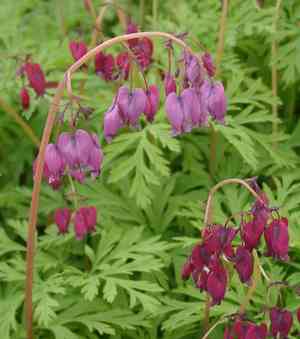
One of the most captivating attributes of Pacific bleeding heart is its distinct heart-shaped blossoms, which impart a sense of fantasy and romance to any garden. The delicate flowers, gracefully suspended from arching stems, appear in pink hues and can offer a striking visual contrast against green foliage. This unique look makes Pacific bleeding heart a favored option for gardeners aiming to introduce elegance and charm to their outdoor spaces.
Benefits of incorporating Pacific bleeding heart into your garden
Pacific bleeding heart provides several advantages beyond its visual appeal. Its adaptability to various light conditions, from partial shade to full sun, makes it a versatile choice for diverse garden areas. Furthermore, Pacific bleeding heart is relatively simple to cultivate and maintain, requiring minimal effort once established. The plantâs capacity to thrive in woodland environments also means it can contribute to your garden's biodiversity, offering habitat for beneficial insects and wildlife.
Incorporating Pacific bleeding heart into Various Garden Styles
Integrating Pacific bleeding heart in traditional and contemporary gardens
Whether you prefer the classic look of a traditional garden or the clean lines of a contemporary landscape, Pacific bleeding heart can be a wonderful addition. In traditional gardens, its old-world charm complements older plant varieties and classic garden elements like stone paths and wooden fences. For modern settings, the crisp lines and unique form of Pacific bleeding heart can serve as striking contrast points against contemporary features such as metal sculptures or minimalist plantings.
Creating a focal point with Pacific bleeding heart
Pacific bleeding heart can serve as a stunning focal point in any garden design. When planted in large groups or as a solitary specimen surrounded by complementary foliage plants, it draws the eye and creates a visual anchor. This is particularly effective when positioning Pacific bleeding heart near garden entrances, along walkways, or in strategically chosen garden beds where its beauty can be fully appreciated.
Complementing Pacific bleeding heart with other plants for a holistic design
To maximize the beauty of Pacific bleeding heart in your garden, consider pairing it with plants that complement its growth habit and aesthetic. Ferns, hostas, and other shade-loving perennials make excellent companions, creating a lush and green backdrop that highlights the delicate flowers of Pacific bleeding heart. Additionally, using plants with varying height and texture can add depth and interest to your garden design, creating a cohesive and visually appealing landscape.
Seasonal Considerations for Pacific bleeding heart in Your Landscape
Best times of year to plant Pacific bleeding heart
The optimal times to plant Pacific bleeding heart are during the spring and autumn seasons. Spring planting allows the plant to establish itself before the summer heat, while fall planting provides a cooler climate for root development. Planting during these periods also ensures that Pacific bleeding heart benefits from seasonal rainfall, reducing the need for extra watering.
Impact of varying climates on the growth of Pacific bleeding heart
Pacific bleeding heart is well-suited to temperate climates but can adapt to a range of conditions. In cooler regions, the plant can thrive in full sun, while in hotter climates, it benefits from some afternoon shade to prevent leaf scorching. Understanding the specific needs of Pacific bleeding heart in your climate zone will help you provide the optimal growing conditions, resulting in healthier plants and more abundant blooms.
Maintenance Tips for Pacific bleeding heart in Landscapes
Practical steps for routine care
Routine care of Pacific bleeding heart is straightforward and involves several key practices. Regular watering is essential, especially during dry periods, but be cautious of overwatering as the plant prefers well-drained soil. Mulching around the base of the plant helps retain soil moisture and suppress weeds. Additionally, removing spent flowers and trimming back dead foliage at the end of the growing season encourages new growth and maintains the plantâs appearance.
Addressing common challenges
While Pacific bleeding heart is generally hardy, it can face common garden challenges such as pests and diseases. Aphids and slugs are known to be occasional pests, so keep an eye out and take appropriate measures such as using insecticidal soap or slug traps. Ensuring proper air circulation and avoiding overly damp conditions can help prevent fungal issues like powdery mildew. Regular monitoring and prompt action will keep your Pacific bleeding heart healthy and flourishing.
Inspiring Landscaping Projects Featuring Pacific bleeding heart
Case studies and success stories
Many gardeners have successfully incorporated Pacific bleeding heart into their landscapes to stunning effect. For example, a Pacific Northwest garden featured a shaded woodland path lined with Pacific bleeding heart, creating a tranquil and picturesque walk that visitors admired. Similarly, in a suburban garden, Pacific bleeding heart was used to soften the edges of a patio, blending seamlessly with other shade-loving perennials and adding a rustic charm to the outdoor space.
Gallery of Pacific bleeding heart in different settings
Visual inspiration can often spark your creativity, so consider browsing galleries of Pacific bleeding heart in various garden settings. From hillside plantings where Pacific bleeding heart cascades down slopes to cottage gardens where its vintage appeal stands out, these images can provide ideas and insights into how you can incorporate Pacific bleeding heart into your own landscaping projects. These visual examples can serve as a guide to achieving the desired aesthetic and functional outcome.



