Enhancing Your Garden Design with the Dutchman's breeches Plant: A Landscaping Guide
1
Dutchman's breeches flourishes in dappled light, making it ideal for forested areas and shaded garden spots.
2
The distinct form of Dutchman's breeches blossoms can bring a playful element to your garden.
3
Pairing Dutchman's breeches with suitable companion plants can establish a harmonious and lively garden setting.
Introducing Dutchman's Breeches to Your Landscape
A quick look at the unique visual charm of Dutchman's breeches
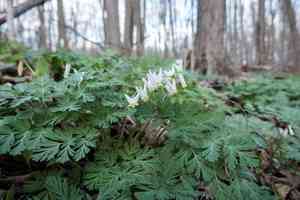
Dutchman's breeches is celebrated for its distinctive appearance, featuring delicate, fern-like leaves and whimsical blossoms that resemble trousers hung to dry, giving it its charming common name. This singular aesthetic brings an element of surprise and joy to any garden. Its flowers, typically white or light pink, combined with its blue-green foliage, make Dutchman's breeches a prominent feature in any setting.
The function of Dutchman's breeches in both classic and contemporary garden designs
In traditional garden settings, Dutchman's breeches often provides a nostalgic nod to classic designs, where its charming and unusual flowers capture the essence of old-world gardens. In modern landscaping, Dutchman's breeches can introduce textural contrast and unique structural elements, complementing current garden styles that favor a blend of natural forms and innovative concepts. Whether your garden leans rustic or modern, Dutchman's breeches integrates seamlessly, adding a touch of whimsy and grace.
Designing Your Garden with Dutchman's Breeches
Choosing the ideal spot for Dutchman's breeches in your garden
Selecting the proper placement for Dutchman's breeches is vital for its success. It thrives in partial to full shade, making it perfect for woodland gardens or shaded areas of your yard. The soil should drain well but also be rich in organic matter to support its growth. Planting Dutchman's breeches in groups can enhance its visual impact, creating a lovely groundcover beneath taller shrubs or trees, where it can benefit from filtered sunlight.
Pairing Dutchman's breeches with other plants for visual interest and harmony
To create a garden that is both attractive and balanced, pairing Dutchman's breeches with complementary plants is essential. Combining it with plants that have contrasting colors or textures can add depth and appeal to your garden. For example, ferns and hostas are excellent companions, offering a lush, green backdrop that highlights Dutchman's breeches's unique blooms. Additionally, early spring bulbs, such as snowdrops or crocuses, can provide continuous color and interest throughout various seasons.
Seasonal Considerations for Growing Dutchman's Breeches
Understanding the flowering period of Dutchman's breeches
Dutchman's breeches typically flowers in early spring, delighting gardeners with its charming blossoms just as the season begins to warm. This early bloom cycle means it can be one of the first signs of spring in your garden, providing much-needed color after the drab winter months. Understanding this cycle helps you plan your garden layout to ensure continuous interest and new growth as seasons change.
Preparing your garden for the seasonal changes of Dutchman's breeches
As a perennial, Dutchman's breeches undergoes a natural cycle of blooming, foliage growth, and dormancy. Preparing your garden for these changes involves planting it where its dormant period won't leave an unsightly void. Consider layering your garden with other perennials that bloom later to fill in spaces left by Dutchman's breeches as it goes dormant. Maintaining soil moisture throughout the growing season, especially during dry spells, will ensure it thrives year after year.
Caring for Dutchman's Breeches in Your Garden
Essential practices to ensure Dutchman's breeches flourishes
Caring for Dutchman's breeches involves a few simple yet crucial practices. Regularly check soil moisture, as it prefers consistently damp conditions, especially during its active growth. Mulching around the plant's base helps retain moisture and keeps roots cool. Additionally, ensuring it's not overcrowded prevents nutrient competition and promotes healthy growth. Pruning is generally not needed, but removing spent flowers can encourage more blooms and maintain a tidy appearance.
Advice for resolving common problems with Dutchman's breeches
Common issues with Dutchman's breeches include root rot from poor drainage and fungal diseases caused by overly wet conditions. To address these, ensure your garden soil drains well and avoid waterlogging the roots. If you notice disease signs, like discolored leaves or wilting flowers, promptly removing affected areas can stop further spread. Also, planting it in a spot with good air circulation can reduce fungal problems. Regular monitoring and proactive care are key to keeping Dutchman's breeches healthy and vibrant.



