Enhancing Your Garden Design with the Garden pink Plant: A Landscaping Guide
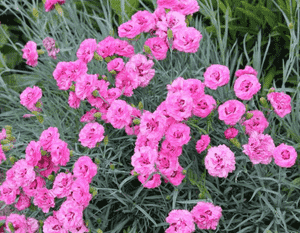
1
Dianthus caryophyllus flourishes in soil that drains well and receives ample sunlight.
2
Dianthus caryophyllus can enhance diverse color schemes with its vivid shades.
3
Consistent care is crucial for maintaining the health and beauty of your Dianthus caryophyllus plants.
Introducing Garden pink to Your Garden
Assessing the Best Location for Garden pink
To begin, selecting the optimal site for Garden pink in your garden is crucial for its prosperity. These plants flourish in areas with ample sun exposure, needing at least six hours of direct sunlight daily. When choosing a spot, prioritize well-drained locations to prevent water accumulation, which can harm the roots. If your garden features a sloped area, this can be an ideal place to encourage good drainage and enhance visual appeal.
Understanding Soil Preferences for Optimal Growth
Grasping the soil conditions is vital for Garden pink's peak development. These plants favor a neutral to alkaline pH, ranging from 6.0 to 8.0. Amending your garden soil with lime can help elevate the pH if it's excessively acidic. Furthermore, incorporating organic matter like compost will enhance soil structure, supplying essential nutrients and improved water retention for the roots.
Choosing Complementary Plants for Garden pink
Pairing Garden pink with suitable plants can elevate your garden's design. Consider planting Garden pink alongside other perennials such as lavender or salvia, which share similar growing requirements and add diverse textures. Low-growing, compact plants like creeping thyme can serve as attractive ground covers around Garden pink, creating a unified and visually pleasing garden bed.
Designing with Color: Utilizing Garden pink's Vibrant Hues
Color Themes: Incorporating Garden pink's Colors into Your Palette
The vivid shades of Garden pink can significantly enrich your garden's color scheme. With hues spanning from soft pinks to deep reds, Garden pink can become the focal point that captures attention. When planning your garden's color arrangement, consider how these colors will contrast or complement existing flora. Blues and purples, for instance, can create a delightful contrast, making Garden pink's colors stand out even more.
Seasonal Considerations: How Garden pink Adapts Through the Year
Another benefit of Garden pink is its capacity to adapt throughout the seasons. These plants bloom primarily from late spring to early summer, providing a burst of color when many other plants are just beginning to grow. During the autumn months, the foliage can adopt a subtle, muted tone, still contributing to the garden's overall aesthetic. Planning the seasonal display around Garden pink ensures your garden remains visually appealing year-round.
Practical Tips for Planting and Maintenance
When to Plant Garden pink for Best Results
Timing is crucial when planting Garden pink. The optimal period for planting is during spring or fall when temperatures are moderate. This helps the plants establish roots without the stress of extreme weather conditions. In regions with mild winters, fall planting is particularly beneficial as it gives the plants a head start on growth.
General Maintenance Tips for Healthy Garden pink Plants
Regular upkeep is essential to maintain the health of your Garden pink plants. Watering should be consistent but moderate, ensuring the soil stays moist but not waterlogged. Removing spent blooms encourages further flowering and enhances the plant's appearance. Additionally, applying a balanced fertilizer every few weeks during the growing season can promote vigorous growth and vibrant blooms.
Dealing with Common Pests and Issues
Like any plant, Garden pink can encounter pests and diseases. Common problems include aphids and root rot. Regularly inspect your plants for signs of pests such as discolored leaves or stunted growth. Natural remedies like neem oil can help manage minor infestations. Ensuring proper drainage and avoiding overwatering are crucial steps in preventing root rot and preserving the overall health of your Garden pink plants.



