Enhancing Your Garden Design with the Cheddar pink Plant: A Landscaping Guide
1
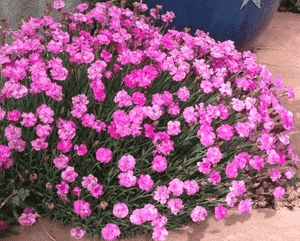
Dianthus gratianopolitanus is recognized for its vivid hues and distinct feel, enhancing the visual charm of any outdoor space.
2
This flora flourishes across diverse weather conditions, establishing it as a resilient option for your yard.
3
Dianthus gratianopolitanus needs little attention, delivering exceptional attractiveness with easy upkeep.
Why Incorporate Cheddar Pink into Your Landscape?
Visual Appeal: Striking Color and Distinctive Texture
A primary reason to include Cheddar pink in your landscape design is its captivating visual charm. This plant showcases vivid hues, ranging from pink to deep red, making it a prominent feature in any garden. Its unique, delicate blossoms and soft, grassy foliage contribute not only color but also texture, enhancing the garden's visual interest. The flowers create a strong contrast with green leaves and other plants, making it an excellent option for adding depth and dimension to your landscape.
Resilience: Flourishes Across Diverse Climates
Cheddar pink is a robust plant that adapts well to various climates, from harsh winters to hot summers. This hardiness makes it an ideal selection for gardeners in different regions. Whether your garden experiences heavy rainfall or prolonged dry spells, Cheddar pink can withstand and continue to thrive. Its capacity to grow in diverse soil conditions, including rocky and sandy soils, further highlights its adaptability and durability. This trait ensures your garden will always have a touch of green and color, regardless of weather or soil quality.
Effortless Care: Minimal Upkeep for Maximum Beauty
For gardeners who prefer little maintenance, Cheddar pink is an excellent choice. This plant requires minimal care to flourish. Consistent watering during dry periods and occasional deadheading are typically all that's needed to keep Cheddar pink looking its best. Its natural resistance to pests and diseases also means less time spent worrying about plant health issues. The low maintenance demands make Cheddar pink perfect for both new gardeners and those with busy lifestyles who desire a beautiful garden without extensive effort.
Starting with Cheddar Pink in Your Garden
Choosing the Optimal Spot: Sunlight and Soil Needs
To maximize Cheddar pink's potential, it's crucial to plant it in the correct location. This plant thrives best in full sun but can tolerate partial shade. Aim for a spot that receives at least six hours of direct sunlight daily. Regarding soil, Cheddar pink prefers well-drained, slightly alkaline soil. If your garden soil is heavy clay or highly acidic, consider amending it with sand and lime to improve drainage and pH levels. By ensuring ideal sunlight and soil conditions, you'll provide Cheddar pink with the environment it needs to prosper.
Planting Guidelines: Best Practices for Establishing Cheddar Pink
When planting Cheddar pink, begin by preparing the soil. Dig a hole twice the width of the plant's root ball and equally deep. Place the plant in the hole and backfill with soil, firming it around the base to remove air pockets. Water thoroughly after planting to help the soil settle. Space each plant approximately 8-12 inches apart to allow for air circulation and growth. Mulching around the base can help retain moisture and suppress weeds, but ensure the mulch doesn't touch the stems to prevent rot.
Seasonal Considerations: When to Plant Cheddar Pink
The ideal time to plant Cheddar pink is during spring or fall when temperatures are moderate. Planting in spring allows Cheddar pink to establish itself before summer heat, while fall planting gives it time to root before winter. Avoid planting during peak summer when temperatures and evaporation rates are highest, as this can stress the plants. Similarly, ensure you're not planting too close to winter frost, which can harm young plants. By timing your planting correctly, you'll give Cheddar pink the best chance for healthy development.
Integrating Cheddar Pink with Other Plants
Companion Planting: Ideal Plant Partners for Cheddar Pink
To create a harmonious and attractive garden, consider pairing Cheddar pink with plants that complement its growth habits and colors. Plants like lavender, catmint, and ornamental grasses make excellent companions. These plants share similar growing conditions and can accentuate Cheddar pink's vibrant colors and textures. Additionally, their varied heights and shapes add layers to your garden, enhancing its overall aesthetic. Mixing Cheddar pink with other perennials can also extend the flowering season in your garden, providing continuous blooms from spring through fall.
Designing with Variety: Crafting a Cohesive Garden Look
A diverse garden is not only beautiful but also beneficial for the ecosystem. Incorporating Cheddar pink into a varied planting scheme can help create a balanced and harmonious garden aesthetic. Combine it with various flowering plants, shrubs, and ornamental grasses to achieve a layered look with different colors, heights, and textures. This diversity not only makes your garden more visually appealing but also supports a variety of beneficial insects and wildlife. Moreover, using Cheddar pink in mass plantings or as ground cover can help unify different garden areas and create a cohesive design.
Natural Pest Management: Advantages of Mixed Planting
A mixed planting approach can offer natural pest control benefits. By planting Cheddar pink alongside other species, you can create a more balanced ecosystem that deters pests. Certain companion plants can repel harmful insects or attract beneficial predators that keep pest populations in check. For example, marigolds and nasturtiums are known for their pest-repellent properties and can be planted near Cheddar pink to help protect it. This method reduces the need for chemical pesticides, promoting a healthier garden environment.
Ongoing Maintenance and Care for Cheddar Pink
Seasonal Care Advice: Ensuring Year-Round Vibrancy
Maintaining Cheddar pink throughout the year involves adjusting your care routine based on the seasons. In spring, focus on pruning dead or damaged stems and fertilizing to encourage new growth. During summer, ensure consistent watering, especially in dry conditions, and deadhead spent blooms to prolong flowering. In fall, prepare Cheddar pink for winter by cutting back the plant and mulching to protect roots from frost. Winter care typically involves minimal intervention but monitor the plants for any signs of distress. By tailoring your care to the seasons, you can ensure Cheddar pink stays healthy and vibrant all year.
Addressing Common Issues: Simple Solutions for Typical Problems
Like all plants, Cheddar pink can encounter issues such as pests, diseases, or environmental stress. Common pests include aphids and slugs, which can be remedied with insecticidal soap or natural predators like ladybugs. Fungal diseases might arise in overly damp conditions, so ensure proper spacing and air circulation. Yellowing leaves could indicate nutrient deficiencies or overwatering; amend the soil with compost or adjust watering practices accordingly. By being vigilant and responsive to these common issues, you can swiftly address problems and maintain the health of your Cheddar pink.
Refreshing Your Landscape: When to Rejuvenate or Replace Cheddar Pink
Over time, even the hardiest plants like Cheddar pink may need refreshing or replacing to maintain your garden's vibrancy. If Cheddar pink appears overgrown or less productive, consider dividing it to promote new growth. This is best done in early spring or fall. Replacing older plants every 3-5 years can also rejuvenate your garden's appearance. Regularly assess the condition of your Cheddar pink and decide if revitalizing through pruning and feeding or replacing with new plants is needed to keep your landscape looking fresh and healthy.
Utilizing Cheddar Pink for Special Garden Features
Creating Focal Points: Using Cheddar Pink to Attract Attention
Cheddar pink can be used strategically to create focal points in your garden, drawing attention to specific areas. Plant it in clusters or large groups at key locations such as entryways, around seating areas, or next to garden statues and water features. Its vibrant blooms will naturally attract the eye, making these spots stand out. Additionally, consider placing Cheddar pink in planters or elevated beds to highlight its beauty and create a layered effect in your garden design.
Borders and Edges: Defining Spaces with Cheddar Pink
Cheddar pink is an excellent choice for creating borders and edging in your garden. Its compact growth habit and vibrant flowers provide a natural boundary that can define pathways, flower beds, and other garden areas. Use Cheddar pink to line walkways or to frame different sections of your garden. This not only adds a structural element to your landscape but also enhances its visual appeal. Furthermore, borders of Cheddar pink can help prevent soil erosion and keep mulch or gravel contained within specific areas.
Rock Gardens and Paths: Incorporating Cheddar Pink in Hardscaping
For gardens that incorporate hardscaping elements like rock gardens and pathways, Cheddar pink is a perfect addition. Its ability to thrive in well-drained, rocky soils makes it ideal for these settings. Plant Cheddar pink among stones and boulders to soften the hard lines and add splashes of color. Along pathways, Cheddar pink can create a seamless transition between the hardscape and the surrounding greenery. Its resilience and low water requirements also make it suitable for rock gardens, ensuring that your garden remains beautiful with minimal maintenance.



