Enhancing Your Garden Design with the Carnation Plant: A Landscaping Guide
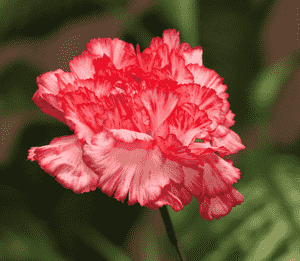
1
Dianthus caryophyllus flourishes in adequately drained soil and bright areas, rendering it a adaptable inclusion for many gardens.
2
Boasting a wide spectrum of hues, Dianthus caryophyllus presents numerous selections to enhance any garden aesthetic.
3
Consistent removal of spent blooms from Dianthus caryophyllus encourages ongoing flowering and a neat look.
Introducing Carnation into Your Landscape Design
Appreciating the visual charm of Carnation
When considering garden enhancements, Carnation offers a distinct blend of allure and adaptability. Renowned for its ruffled petals and vivid hues, it possesses an inherent appeal that captures attention. The plant's subtle scent further enriches the sensory experience, transforming any garden area into a multi-sensory delight. Whether planted extensively or as a focal point, Carnation can introduce a burst of color that invigorates any garden setting.
Carnation's adaptability across diverse garden aesthetics
A key attribute of Carnation is its suitability for various garden styles. From classic cottage gardens to contemporary landscapes, Carnation integrates seamlessly into different environments. Its compact growth habit makes it perfect for borders and window boxes, while its abundant blooms can be highlighted in more formal arrangements. This versatility also extends to its cultivation needs, flourishing in sunny locations and well-drained soils, thus adapting to different local climates and soil types.
Selecting the Optimal Spot for Carnation in Your Garden
Key factors for ideal placement
Choosing the correct site for Carnation is vital for its development and flowering. It's important to consider elements such as sunlight exposure, soil composition, and drainage. Carnation prefers full sun to partial shade, so seek out garden areas that receive at least six hours of daily sunlight. Additionally, ensure the soil drains effectively to prevent root rot issues. A slightly alkaline to neutral pH is optimal for promoting healthy Carnation growth.
How light conditions influence Carnation's growth and flowering
Sunlight plays a critical role in Carnation's blooming cycle. Excessive shade can lead to fewer flowers and leggy growth, whereas ample sunlight encourages vibrant coloration and sturdy stems. However, some afternoon shade can be beneficial in very hot regions, preventing the blooms from scorching. Always observe your garden's light patterns throughout the day to identify the perfect planting spot.
Integrating Carnation into Themed Garden Concepts
Ideas for a romantic garden theme featuring Carnation
Incorporating Carnation into a romantic garden theme is an excellent method to cultivate a dreamy, enchanting atmosphere. Imagine pairing soft pink and white Carnation with roses, lavender, and other pastel-colored flowers. The delicate texture of Carnation blooms complements the lush, abundant aesthetic typically associated with romantic gardens. Consider planting them in clusters to create a rich, carpet-like effect or alongside winding garden paths to guide visitors through a visual journey.
Utilizing Carnation in a modern minimalist garden design
Carnation can also excel in a modern minimalist garden setting. The focus here should be on simplicity and structure. Choose bold colors like red or white Carnation and arrange them in geometric patterns or singular, striking lines. Combining Carnation with sleek, modern containers or using them to define minimalist gravel paths can create a clean and sophisticated appearance. The compact size and precise floral form of Carnation make it well-suited to minimalist design principles.
Pairing Carnation with Other Plant Varieties
Choosing complementary plants for Carnation
Selecting appropriate companion plants for Carnation can enhance its beauty and the garden's overall appeal. Plants with contrasting textures, such as ornamental grasses, or with complementary colors, like blue salvia or yellow marigolds, can make Carnation stand out. Furthermore, consider perennials that share similar care requirements, such as lavender or roses, to ensure all your plants flourish together harmoniously.
Tips for color harmony and textural contrast
Color coordination and texture contrast are crucial when planning your garden. For a cohesive look, select a color palette that includes various shades of your primary color. Pair Carnation with foliage plants like silver dusty miller or dark green ferns to accentuate their vibrant colors. Additionally, incorporating different textures, such as the feathery leaves of asparagus fern or the broad leaves of hostas, can add depth and visual interest.
Seasonal Considerations for Carnation Cultivation
Optimal planting periods for Carnation
The ideal time to plant Carnation is during the cooler months of spring or early autumn. Planting during these periods helps the plants establish themselves before the extreme temperatures of summer or winter. It's crucial to avoid frost periods and ensure the soil is workable and not overly wet. Proper planting time guarantees robust growth and an extended blooming season.
Preparing Carnation for seasonal transitions
Caring for Carnation involves some seasonal considerations to ensure their year-round vitality. In colder climates, applying mulch around the base of the plants helps protect them from freezing temperatures. During summer, ensure Carnation receives adequate water, especially in dry conditions, but prevent waterlogging. Regular deadheading can encourage continuous blooms and keeps the plant looking neat throughout the seasons. With the right preparations, Carnation can be a perpetual delight in your garden.



