Enhancing Your Garden Design with the Sweet william Plant: A Landscaping Guide
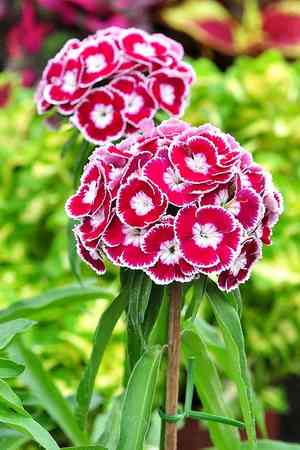
1
Sweet william flourishes in soil that drains effectively and needs ample sunlight to some shade.
2
Sweet william is capable of introducing vibrant hues to both classic and contemporary garden aesthetics.
3
Consistent removal of spent Sweet william flowers promotes uninterrupted blossoming all through the summer season.
Introducing Sweet William to Your Landscape
Overview of Sweet William's appeal in garden layouts
Sweet William has been a garden design staple for centuries, celebrated for its charming clusters of vivid blooms that readily captivate observers. This plant is particularly cherished for its adaptability, compact form, and wide array of colors. Gardeners across diverse climates and settings value its resilience and aesthetic contribution, making it a preferred choice in both traditional and contemporary gardens.
Why Sweet William is a favored option for gardeners and landscapers
Sweet William remains a popular selection among gardeners and landscapers for several reasons. Firstly, it offers an extended blooming period, often from spring through early autumn, ensuring gardens stay vibrant for longer. Additionally, its versatility allows it to integrate seamlessly into various garden styles, from cottage gardens to formal landscapes. The plant's relatively low maintenance needs and its ability to thrive in different soil types and conditions further enhance its attractiveness.
Optimal Placement of Sweet William in Your Garden
Understanding Sweet William's sunlight and shade requirements
To ensure Sweet William flourishes in your garden, comprehending its light needs is vital. Sweet William prefers full sun, meaning it should receive at least six hours of direct sunlight daily. However, it can also tolerate partial shade, especially in hotter climates where afternoon shade protects it from intense sun. Proper light exposure not only boosts its growth but also intensifies its blooms.
Ideal soil conditions for maximizing Sweet William's growth and flowering
Soil conditions significantly impact Sweet William's health and vigor. This plant thrives in well-drained soil with a slightly alkaline to neutral pH. Incorporating organic matter like compost can enhance soil structure and fertility, promoting robust growth and abundant flowering. Regular soil testing and amendments as needed help maintain optimal conditions for Sweet William to flourish.
Strategic placement tips to enhance visual appeal
For placement, think strategically to maximize Sweet William's aesthetic impact in your garden. Planting Sweet William in groups or drifts creates striking color accents. Consider positioning it along garden borders, pathways, or within mixed flower beds to boost visual interest. Pairing Sweet William with complementary plants can also generate stunning contrasts and textures, adding depth and dimension to your landscape.
Design Concepts Featuring Sweet William
Creating vibrant borders with Sweet William's rich colors
One of the most effective ways to use Sweet William in your garden design is by forming colorful borders. Its vibrant hues can act as a focal point, drawing attention and adding a dynamic burst of color to garden edges. Whether you choose a single-color scheme or a mix of shades, Sweet William can help define garden beds, delineate spaces, and create a visually pleasing transition between different garden areas.
Incorporating Sweet William into traditional and modern garden designs
Sweet William is adaptable enough for both traditional and contemporary garden designs. In a classic cottage garden, it can complement other traditional bloomers like roses and peonies. For a modern look, consider integrating Sweet William with sleek grasses and contemporary hardscaping elements. Its flexible nature allows it to blend seamlessly into various design styles, adding charm and character to your landscape.
Combining Sweet William with other plants for striking visual effects
To achieve striking contrasts, combine Sweet William with plants that offer different textures, forms, or complementary colors. For instance, pairing it with tall, spiky plants such as lavender or ornamental grasses can create a layered effect. Including foliage plants with bold leaves, like hostas or ferns, can also enhance the visual interest and depth of your garden design. These combinations not only highlight Sweet William's beauty but also result in balanced and harmonious plantings.
Seasonal Care Advice for Sweet William
Spring preparation and essential planting for Sweet William
Spring is the perfect time to prepare and plant Sweet William. Begin by selecting a sunny spot with well-drained soil. Enrich the soil with organic matter and ensure the planting area is free of weeds. Plant Sweet William with adequate spacing for proper air circulation and growth. Water thoroughly after planting and apply a layer of mulch to retain moisture and suppress weed growth.
Summer maintenance guidelines to maintain abundant blooms
During summer, consistent maintenance is crucial for sustaining vibrant blooms. Water Sweet William regularly, especially during dry spells, ensuring the soil stays moist but not waterlogged. Deadhead spent flowers to encourage continuous blooming and prevent seed production. Fertilize with a balanced, slow-release fertilizer to provide necessary nutrients for healthy growth. Monitoring for pests and diseases and acting promptly can also keep Sweet William in prime condition.
Autumn and winter strategies to protect Sweet William and ensure perennial growth
As autumn approaches, it's important to prepare Sweet William for colder months. Trim back any dead or damaged foliage and apply a thick layer of mulch around the plant bases to insulate the roots. In areas with harsh winters, consider covering Sweet William with a protective cloth or moving potted plants to a sheltered location. Check plants regularly throughout winter and water sparingly if the soil becomes too dry. These steps will help ensure Sweet William returns vibrant and healthy in spring.



