Enhancing Your Garden Design with the Flax lily Plant: A Landscaping Guide
1
Dianella provides continuous aesthetic value with its persistent green leaves.
2
Dianella can flourish across diverse light exposures, ranging from direct sunlight to dappled shade.
3
Dianella exhibits resilience against numerous typical garden pests, positioning it as an easy-care choice for landscapes.
Grasping the Fundamentals of Flax lily in Garden Design
Visual Allure: The Aesthetic Advantages of Flax lily
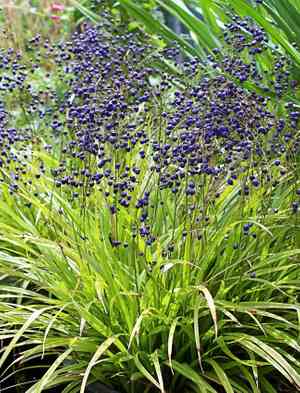
A primary reason Flax lily excels in landscape architecture is its striking visual appeal. Featuring sword-like foliage and delicate blue blossoms, Flax lily imparts an elegant touch to any garden. Whether aiming for a modern minimalist look or a lush, tropical feel, Flax lily's distinct texture and hue can elevate the overall aesthetic. Furthermore, its evergreen leaves ensure your garden retains its beauty year-round, providing a consistent backdrop for seasonal blooms.
Growth Habits: How Flax lily Develops Across Different Environments
Flax lily exhibits remarkable adaptability in its growth patterns, thriving in diverse environmental conditions. It flourishes in both full sun and partial shade, making it a versatile addition to various garden zones. Additionally, Flax lily is quite drought-tolerant, requiring less frequent irrigation compared to other plants. However, ensuring well-drained soil is crucial, as waterlogging can hinder its development. Its clumping habit makes it perfect for ground cover, borders, and even container cultivation.
Seasonal Adaptations: Flax lily's Reaction to Climatic Shifts
Flax lily is highly responsive to seasonal changes, contributing to its popularity in landscaping. In warmer regions, it remains vibrant and green throughout the year. In cooler climates, while growth may slow during winter, it typically rebounds vigorously in spring. This resilience to fluctuating temperatures and weather conditions makes Flax lily a dependable option for gardeners seeking to maintain a beautiful and flourishing landscape year-round.
Practical Methods for Incorporating Flax lily into Your Garden Plan
Identifying Optimal Locations for Flax lily in Your Garden
When integrating Flax lily into your garden layout, it's essential to first pinpoint the best planting spots. Flax lily thrives in both sunny areas and partially shaded zones, making it suitable for a variety of garden settings. It can be used to border pathways, fill empty spaces in flower beds, or serve as an accent plant near water features. When planning your garden, consider areas where Flax lily can be showcased effectively, benefiting from adequate light and well-drained soil.
Companion Plants: What Thrives Alongside Flax lily
Flax lily harmonizes beautifully with a range of other plants, enhancing your garden's overall visual appeal. Consider planting it with ornamental grasses, hostas, or ferns to create a rich, textured look. Its blue flowers can complement purple and white blooms, such as lavender or petunias. Combining Flax lily with various perennials can establish dynamic and visually engaging layers in your garden, highlighting the unique qualities of each plant.
Creating Focal Points with Flax lily as the Main Feature
To establish Flax lily as a garden focal point, consider using it as a centerpiece in a specific area. Its tall, upright foliage makes it a natural choice for generating visual interest. Plant it in larger clusters or as a solitary specimen surrounded by lower-growing plants. This not only draws the eye but also helps to break up the uniformity of green spaces. Integrating Flax lily into rock gardens, raised beds, or container arrangements can further emphasize its striking appearance.
Maintenance Advice for Sustaining Flax lily's Visual Impact
Regular Inspections: Keeping Flax lily Healthy and Lively
Consistent maintenance is crucial for maintaining Flax lily's health and vibrancy. Routine checks should involve monitoring for any indications of stress or disease. While Flax lily is relatively low-maintenance, it's important to remove any dead or damaged leaves to encourage healthy growth. Additionally, occasional trimming can help preserve its shape and prevent overcrowding. Watering should be adjusted based on weather conditions, ensuring the soil remains moist but not waterlogged.
Seasonal Care Practices to Maximize Flax lily's Longevity
Seasonal care techniques can significantly extend Flax lily's lifespan and overall well-being. In spring, a balanced, slow-release fertilizer can supply essential nutrients for new growth. During summer, applying mulch around the plant's base can help retain moisture and regulate soil temperature. In autumn, clearing fallen leaves and debris can prevent pests and diseases. During winter, providing a protective mulch layer can help insulate the roots in colder temperatures.
Pest Prevention: Protecting Flax lily from Common Threats
Although Flax lily is resistant to many pests, it's still vital to implement preventative measures to shield it from potential dangers. Regularly inspecting the plant for any signs of pest activity, such as discolored leaves or chewed edges, can help detect issues early. Using organic insecticidal soap or neem oil can effectively manage common pests without harming the plant. Additionally, ensuring good air circulation and avoiding overcrowding can reduce the risk of fungal infections and other diseases.
Design Concepts: Creative Examples of Flax lily in Landscaping
Home Gardens: Enhancing Residential Spaces with Flax lily
Flax lily can play a significant role in improving residential landscapes, offering both practical and aesthetic advantages. Its ability to function as ground cover or an accent plant makes it adaptable for various garden designs. It can be used to soften the edges of hardscapes, such as paths and patios, or to create tranquil backyard retreats. Homeowners can also utilize Flax lily in foundation plantings to add texture and interest to their home's exterior.
Commercial Settings: Employing Flax lily in Public and Corporate Environments
Incorporating Flax lily into commercial landscapes can create inviting and visually appealing public and corporate areas. Its low-maintenance nature makes it an ideal choice for high-traffic zones where regular upkeep might be challenging. Flax lily can be used to enhance the appearance of office buildings, retail centers, and public parks. Groupings of Flax lily can define spaces, add color to otherwise neutral settings, and even serve as natural barriers or dividers.
Themed Gardens: Integrating Flax lily into Specialized Design Concepts
Themed gardens offer a unique way to showcase Flax lily's beauty within specialized design concepts. Whether crafting a tropical oasis, a contemporary zen garden, or a coastal-themed landscape, Flax lily can complement and enhance the chosen theme. Its adaptable nature allows it to fit seamlessly into diverse design styles. For instance, pairing Flax lily with rocks and water features can evoke a sense of tranquility, making it perfect for meditation gardens or serene outdoor spaces.



