Enhancing Your Garden Design with the Dwarf larkspur Plant: A Landscaping Guide
1
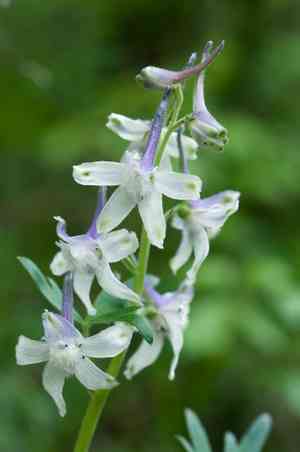
Dwarf larkspur flowers in early spring, bringing vibrant hues to your garden while other flora are just beginning to appear.
2
Being a native species, Dwarf larkspur complements numerous other indigenous plants, offering flexibility for diverse landscape designs.
3
Dwarf larkspur requires minimal care and flourishes in partially shaded, well-draining soil, ideal for woodland settings.
Appreciating the Visual Appeal of Dwarf Larkspur
Color and Bloom Period: When does Dwarf larkspur typically flower?
Dwarf larkspur adds a lively touch to your garden design with its stunning, delicate blossoms. Typically, Dwarf larkspur flowers in early spring, around April to May, displaying a beautiful range of colors from deep blues to purples. This timing is especially advantageous as it coincides with a period when many other plants are still emerging from winter dormancy. By including Dwarf larkspur in your garden, you guarantee a burst of color precisely when it's most needed, helping bridge the gap between winter's end and summer's full bloom.
Height and Form: How Dwarf larkspur contributes to vertical interest in gardens
Standing at approximately 1 to 2 feet tall, Dwarf larkspur provides significant vertical dimension to your garden. Its slender and graceful stems rise above lower-growing foliage, creating an appealing tiered effect. This height makes it an ideal choice for the middle or back of garden beds, where it can serve as a backdrop for smaller plants or a charming focal point among other perennials. The structure of Dwarf larkspur also allows for dynamic layering in your garden, drawing the viewer's gaze upward and adding a sense of depth and dimension to your landscape design.
Companion Planting: Ideal partners for Dwarf larkspur
Dwarf larkspur is highly adaptable and pairs well with various other plants, making it easy to integrate into different garden schemes. Excellent companions include other woodland perennials such as ferns, hostas, and bleeding hearts, which thrive in similar conditions of partial shade and rich, well-drained soil. Additionally, Dwarf larkspur can be combined with spring bulbs like tulips and daffodils to create a vibrant, multi-layered display. When selecting plant companions, choose those that complement Dwarf larkspur's bloom times and colors to create a harmonious and visually pleasing garden space.
Integrating Dwarf Larkspur into Diverse Landscape Styles
Traditional Gardens: Highlighting classic beauty with Dwarf larkspur
In traditional garden settings, Dwarf larkspur can be a key element in establishing a timeless and classic aesthetic. Its elegant flowers and soft color palette fit seamlessly into formal garden designs, where symmetry and balance are crucial. Plant Dwarf larkspur in orderly rows or clusters along pathways or within defined garden beds to achieve a neat and cohesive appearance. The plant's early blooming period can also be utilized strategically to create year-round appeal, ensuring that your garden maintains its beauty and charm even as the seasons change.
Contemporary Landscapes: Modern approaches to utilizing Dwarf larkspur
For contemporary landscapes, Dwarf larkspur offers a unique opportunity to introduce natural elements into sleek, modern designs. Its delicate flowers and organic structure can provide a striking contrast to more angular and minimalist garden features. Consider using Dwarf larkspur in large, monochromatic plantings for a bold, yet subtle effect. Alternatively, it can be incorporated into modern garden compositions featuring a mix of native plants and non-traditional elements like metal sculptures or water features, creating a harmonious blend of the natural and the modern.
Woodland Settings: Enhancing naturalistic designs with Dwarf larkspur
Woodland gardens are a natural fit for Dwarf larkspur, given its preference for partial shade and well-drained soil. In such environments, it can be used to enhance the existing landscape, blending seamlessly into the dappled light and rich undergrowth typical of woodland areas. Plant Dwarf larkspur alongside other shade-loving perennials and native plants to create a lush, naturalistic design that mimics the beauty and tranquility of a forest floor. The plant's early bloom time also helps to kickstart the season, providing early food sources for pollinators and adding life to your woodland garden just as winter recedes.
Practical Advice for Planting and Caring for Dwarf Larkspur
Optimal Locations for Planting Dwarf Larkspur: Sunlight and soil preferences
Dwarf larkspur thrives best in spots that offer partial shade, mimicking the dappled sunlight found in its natural woodland habitat. While it can endure full sun, especially in cooler climates, providing some shade during the hottest parts of the day will help ensure optimal growth and prevent the delicate flowers from wilting. The soil should be well-drained and rich in organic matter, so consider adding compost or well-rotted manure to improve soil fertility and structure. Plant Dwarf larkspur in areas where it won't be disturbed by heavy foot traffic to allow it to establish and flourish.
Watering and Fertilization Requirements: Essential care for optimal growth
Watering is vital, particularly during the establishment phase and in dry periods. Dwarf larkspur prefers consistently moist soil but is relatively drought-tolerant once mature. Mulch around the base of the plants to help retain moisture and suppress weeds. As for fertilization, Dwarf larkspur benefits from a balanced, slow-release fertilizer applied in early spring to promote vigorous growth and abundant blooms. Be careful not to over-fertilize, which can lead to excessive foliage at the expense of flowers. Organic options, like compost or fish emulsion, can also be excellent for maintaining healthy and robust plants.
Pruning and Seasonal Maintenance: Keeping Dwarf Larkspur vibrant and healthy
Pruning and seasonal care are crucial for maintaining the health and appearance of Dwarf larkspur. After flowering, deadhead spent blooms to encourage additional flowering and prevent unwanted self-seeding. In the fall, once the foliage has died back, clear away any debris around the plants to reduce the risk of disease and pests overwintering in your garden. Dividing the plants every few years in early spring or fall will help reinvigorate them and promote more vigorous growth. By following these simple care practices, you can keep Dwarf larkspur looking vibrant and healthy year after year.



