Enhancing Your Garden Design with the Menzies's larkspur Plant: A Landscaping Guide
1
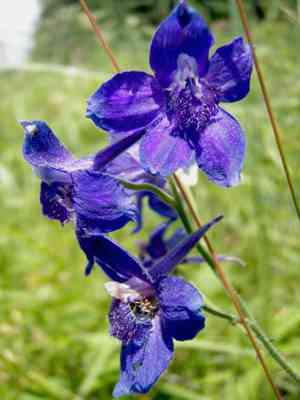
Menzies's larkspur brings vivid hues and stature to any garden setting.
2
Proper positioning of Menzies's larkspur necessitates careful thought regarding light and ground conditions.
3
Menzies's larkspur complements other perennial plants wonderfully to form striking garden pairings.
Appreciating the Visual Qualities of Menzies's Larkspur
The distinct aesthetic charm of Menzies's larkspur
Menzies's larkspur is celebrated for its striking tall flower stalks adorned with numerous brightly colored blossoms. These flowers not only introduce a vibrant splash of color to your garden but also provide a dramatic vertical element that can elevate the overall visual appeal. Their dignified presence makes them a versatile option for establishing captivating focal points among lower-growing flora.
Color interplay and compatibility with other flora
Menzies's larkspur displays a spectrum of hues that can either sharply contrast or subtly blend with other plants in your landscape. Whether you select shades of blue, purple, or white, Menzies's larkspur can be paired with vivid yellows and oranges to forge a lively color scheme, or combined with soft pastels for a more tranquil garden setting. Grasping these color dynamics is essential for crafting visually pleasing plant arrangements.
Height and structural considerations for garden equilibrium
A key aspect of integrating Menzies's larkspur into your landscape design involves assessing its height and form. Standing tall, Menzies's larkspur can serve as an attractive backdrop for shorter plants or as a central feature in a mixed flower bed. It is imperative to balance the height of Menzies's larkspur with other plants to ensure a cohesive and harmonious garden layout. Thoughtful placement can prevent Menzies's larkspur from overshadowing smaller plants and help preserve an aesthetically pleasing environment.
Selecting the Ideal Spot for Menzies's Larkspur
Sunlight and shade requirements
Menzies's larkspur flourishes in locations where it can receive ample direct sunlight for most of the day. However, in regions experiencing intense summer heat, providing some afternoon shade can help safeguard the plant and ensure its continued health. Assessing the specific light conditions of your garden will assist you in determining the optimal site to plant Menzies's larkspur for peak growth and flowering.
Preferred soil characteristics
For Menzies's larkspur to thrive, it is crucial to plant it in well-draining soil rich in organic matter. Compacted or waterlogged soils can impede its development and lead to root decay. Amending the soil by incorporating compost or other organic materials can enhance its texture and fertility, creating an ideal environment for Menzies's larkspur to prosper. Regular soil analysis can also help maintain appropriate pH levels and nutrient concentrations.
Spacing for optimal development
Adequate spacing is crucial for the healthy growth of Menzies's larkspur. Planting them too close together can result in poor air circulation, increasing the risk of fungal diseases. Conversely, providing them with sufficient room allows for proper airflow and ensures each plant receives enough sunlight and nutrients. Generally, spacing Menzies's larkspur approximately 18 to 24 inches apart is recommended to encourage vigorous growth and abundant blooms.
Landscape Design Concepts Utilizing Menzies's Larkspur
Establishing focal points in your garden
Menzies's larkspur is an excellent choice for creating focal points in your garden due to its impressive height and vibrant blossoms. Placing Menzies's larkspur strategically in areas where you wish to attract attention, such as the center of a flower bed or along a garden path, can enhance the overall visual appeal. Complementing it with shorter, contrasting plants can further accentuate its beauty and make it stand out.
Employing Menzies's larkspur for borders and beds
Menzies's larkspur can be effectively used in borders and bedding to establish a structured and well-defined garden area. When planted along garden edges, Menzies's larkspur forms a natural boundary that can beautifully frame your landscape. Its upright growth habit and dense flower spikes can help delineate different sections of your garden, adding both form and utility to your design.
Pairings with other perennial species
Combining Menzies's larkspur with other perennial plants can result in stunning and diverse garden displays. Consider pairing Menzies's larkspur with plants that have complementary blooming periods and foliage textures. For instance, mixing Menzies's larkspur with echinacea, rudbeckia, or ornamental grasses can provide continuous interest throughout the growing season. Such thoughtful combinations can boost biodiversity, attract beneficial pollinators, and create a more dynamic landscape.
Enduring Beauty from Menzies's Larkspur
Seasonal flowering cycles
Menzies's larkspur typically flowers from late spring to early summer, offering a spectacular display of color during this period. Understanding its blooming pattern allows you to plan your garden layout strategically, ensuring a succession of flowers throughout the seasons. Integrating plants that bloom before or after Menzies's larkspur can help maintain a continuous floral display in your garden.
Sustaining vibrancy across seasons
To keep Menzies's larkspur vibrant throughout the year, it is essential to practice proper maintenance. Removing spent blooms will encourage further flowering and reduce the risk of disease. Additionally, ensuring Menzies's larkspur receives adequate water, especially during dry spells, and providing mulch to retain soil moisture can help maintain its health. Fertilizing with a balanced, slow-release fertilizer in early spring can also promote robust growth and abundant blooms.



