Enhancing Your Garden Design with the Royal poinciana Plant: A Landscaping Guide
1
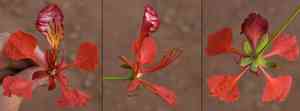
The Royal poinciana is recognized for its impressive, vivid look that can enhance any outdoor area.
2
This adaptable tree thrives in various weather conditions, making it a great option for many locales.
3
Given adequate attention, the Royal poinciana offers enduring attractiveness and seasonal appeal to your landscape.
Why Select Royal Poinciana for Your Garden?
Its vivid look and how it enhances visual appeal
If you aim to introduce a burst of color into your garden, the Royal Poinciana is an ideal selection. Renowned for its brilliant, fiery blooms, this tree can significantly boost any landscape's aesthetic charm. The striking reds, oranges, and yellows of its flowers stand out, offering a stunning visual contrast against green foliage. Whether used as a central feature or as part of a broader garden scheme, the Royal Poinciana's appearance is sure to captivate and leave a memorable impression.
Its adaptability and growth in various climates
Another compelling reason to consider the Royal Poinciana for your garden is its capacity to adapt to diverse climates. This tree thrives across a spectrum of environmental conditions, from tropical to subtropical zones. Its resilience to different soil types and weather patterns makes it a versatile addition to any garden. Regardless of whether you reside in a hot, humid region or an area with more moderate weather, the Royal Poinciana can adjust and flourish, providing beauty and shade with minimal effort.
Its longevity and seasonal transformations
The Royal Poinciana is more than just a seasonal marvel; it offers enduring value to your outdoor space. This tree boasts an impressive lifespan, allowing you to enjoy its vibrant flowers and lush leaves for many years. Furthermore, the Royal Poinciana adds seasonal interest, with its spectacular blossoms in warmer months and its elegant, fern-like foliage providing shade and texture throughout the year. The tree's ability to evolve with the seasons keeps your garden dynamic and visually engaging year-round.
Incorporating Royal Poinciana into Your Existing Landscape
Methods for integrating with other plant varieties
Successfully blending Royal Poinciana into your garden requires thoughtful planning to ensure it complements existing flora. Consider planting it alongside species that thrive in similar conditions but offer contrasting forms, sizes, and hues. For instance, pairing it with lower-growing shrubs or flowering plants can create a layered effect that accentuates the tree's vivid blooms. Utilizing complementary colors and textures will help forge a harmonious and visually striking garden design.
Placement advice to maximize visual impact
Strategic placement is crucial when integrating Royal Poinciana into your landscape. To amplify its visual appeal, consider situating it where it can serve as a focal point, such as in the center of a lawn or at the end of a garden path. Ensure the tree has ample room to grow unhindered, allowing its full canopy to develop. Also, evaluate the view from various points in your garden, positioning the Royal Poinciana where its splendor can be appreciated from multiple perspectives.
Design considerations for space and development
When designing with Royal Poinciana, it's vital to account for its mature dimensions and growth habits. Ensure there's sufficient space for the tree to expand its canopy and root system. Avoid planting it too close to structures, pathways, or other trees to prevent overcrowding and ensure optimal development. Considering the tree's mature height and spread will help you plan a landscape layout that accommodates its growth, preventing future maintenance issues and ensuring the tree's health and longevity.
Optimizing Conditions for Royal Poinciana's Development
Soil preferences and necessary adjustments
To foster the robust growth of Royal Poinciana, providing appropriate soil conditions is essential. This tree favors well-draining soils but can tolerate various soil types as long as they are not waterlogged. If your garden soil is heavy or clay-rich, consider amending it with organic matter or sand to enhance drainage. Testing your soil's pH and adjusting it to a slightly acidic to neutral range can also improve nutrient availability and overall tree vitality.
Sunlight and shade requirements
The Royal Poinciana flourishes best in full sunlight, which aids in producing its vibrant flowers and lush foliage. Ensure the tree is planted in a spot that receives at least six hours of direct sunlight daily. While it can endure some light shade, excessive shade can diminish flowering and impede overall growth. Positioning the Royal Poinciana in an optimally sunlit location will help it thrive and maintain its stunning appearance throughout the growing season.
Watering schedules and techniques
Consistent and sufficient watering is critical for the healthy development of Royal Poinciana. Newly planted trees require regular irrigation to establish a strong root system, with the soil kept moist but not saturated. Once established, the Royal Poinciana becomes more drought-tolerant but still benefits from deep, infrequent watering, particularly during dry spells. Applying mulch around the tree's base can help retain soil moisture and reduce the need for frequent watering, promoting vigorous and healthy growth.
Maintaining Royal Poinciana for Year-Round Beauty
Pruning and care throughout the seasons
Regular pruning and upkeep are crucial for keeping Royal Poinciana in prime condition. Trim dead or damaged branches to encourage healthy growth and shape the tree to enhance its natural form. Pruning in late winter or early spring, before new growth emerges, helps maintain a neat appearance and stimulates more abundant blooming. Seasonal adjustments, such as removing suckers and thinning dense areas, will ensure your Royal Poinciana remains beautiful and healthy all year.
Managing pests and potential diseases
Although Royal Poinciana is relatively resistant to pests, it's important to remain vigilant for signs of infestations or illnesses. Common issues include aphids, mites, and fungal infections. Regularly inspect your tree for any indications of pests or disease, such as discolored leaves, unusual growths, or visible insects. Implementing proper cultural practices, like adequate spacing, appropriate watering, and maintaining tree health, can prevent most problems. If necessary, use suitable treatments, such as insecticidal soaps or fungicides, to address issues promptly.
Fertilization and nutrient management
Providing the correct nutrients is vital for the thriving of Royal Poinciana. A balanced, slow-release fertilizer applied in early spring can support healthy growth and vibrant blooms. Be careful not to over-fertilize, as this can lead to excessive foliage growth at the expense of flowers. Regular soil tests can help determine nutrient needs and guide you in adjusting fertilization practices to ensure your Royal Poinciana receives the essential elements for optimal health and beauty.



