Enhancing Your Garden Design with the Winter daphne Plant: A Landscaping Guide
1
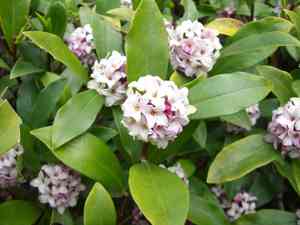
Winter daphne is celebrated for its captivating scent, making it a charming inclusion in any garden.
2
Winter daphne flourishes in soil that drains well and in partial shade, needing little upkeep.
3
Flowering from late winter to early spring, Winter daphne provides an early burst of color and aroma.
Introducing Winter Daphne in Garden Design
Winter Daphne's visual appeal overview
Integrating Winter daphne into your garden scheme can significantly enhance its aesthetic charm. This plant is prized for its lustrous, deep-green foliage and fragrant flower clusters. These blossoms, often in pink and white hues, offer a striking visual contrast against the leaves. Beyond its beauty, Winter daphne's pleasant scent also makes it a sensory delight, drawing in pollinators like bees and butterflies.
Seasonal allure of Winter Daphne
Winter daphne captivates gardeners with its distinct seasonal interest. Blooming from late winter to early spring, it signals one of the first signs of life after the cold winter months. This early flowering means gardeners can enjoy a burst of color and aroma when most other plants are still dormant. Thus, Winter daphne helps bridge the seasonal gap, ensuring your garden always has visual appeal, even in colder periods.
General adaptability and garden versatility
A key attribute of Winter daphne is its flexibility and suitability for various garden environments. This plant thrives in well-drained soil and prefers some shade, though it can tolerate a degree of sun. Its compact size makes it ideal for small gardens, borders, and even container planting. Whether you have an expansive yard or a modest balcony, Winter daphne can seamlessly integrate into your landscape, adapting to diverse conditions with ease.
Integrating Winter Daphne into Garden Themes
Pairing Winter Daphne with garden styles
Incorporating Winter daphne into different garden styles can elevate the overall look and harmony of your garden. For example, Winter daphne complements cottage gardens with its romantic blooms and fragrant charm. In Japanese-inspired gardens, its subtle grace and structured foliage contribute to a calm and contemplative atmosphere. Winter daphne also enhances formal gardens, where its symmetry and glossy leaves can be combined with other structured plants for a refined appearance.
Examples of themed gardens featuring Winter Daphne
To inspire your garden planning, consider these thematic examples: In a woodland garden, Winter daphne can be nestled among ferns and hostas, mimicking a natural forest floor. For a Mediterranean-themed garden, combine Winter daphne with lavender and rosemary to create a fragrant, drought-tolerant bed. In a sensory garden, Winter daphne's perfumed flowers can be strategically placed along paths, ensuring every walk is an aromatic experience.
Choosing Companion Plants for Winter Daphne
Considerations for pairing
Selecting appropriate companion plants for Winter daphne involves assessing light, soil preferences, and overall aesthetics. Ensure that companion plants can flourish in similar conditionsâpartial shade and well-drained soil. Additionally, think about bloom times to create a continuous display of color and interest throughout the year. Consider foliage textures and colors to complement Winter daphne's dark green leaves and vibrant flowers.
Popular companion plants for Winter Daphne
Some favored companion plants for Winter daphne include hellebores, whose early blooms coincide with Winter daphne's flowering period, offering a beautiful color scheme. Evergreen shrubs like boxwood provide a lush backdrop, enhancing Winter daphne's delicate flowers. Groundcovers such as vinca or ajuga can cover the soil around Winter daphne, reducing weed growth and retaining moisture while adding another layer of visual appeal.
Placement and Positioning of Winter Daphne
Optimal locations for planting Winter Daphne
When deciding where to plant Winter daphne, select a spot that offers partial shade to shield it from intense midday sun while providing sufficient light for healthy growth. Ideal locations include the dappled shade beneath deciduous trees or along the north or east side of your home. Ensure the soil drains well to prevent root rot, as Winter daphne does not tolerate waterlogged conditions.
Strategic placement for maximum impact
For peak effect, position Winter daphne where its fragrance can be enjoyed, such as near windows, entryways, or along pathways. This placement allows you and your guests to savor the delightful scent without needing to stoop or lean in. Furthermore, planting Winter daphne in groups or clusters can create a more prominent visual and aromatic presence in your garden, making it a focal point.
Care Tips for Winter Daphne in Gardens
Basic upkeep for health and beauty
Maintaining Winter daphne involves some fundamental yet essential steps to ensure its vitality and attractiveness. Regularly inspect for pests and diseases, and prune any damaged or dead branches to encourage new growth and maintain a neat appearance. Apply a balanced fertilizer in the spring to support blooming, and mulch around the plant's base to retain moisture and regulate soil temperature.
Seasonal care routines
Seasonal care is crucial for Winter daphne's longevity and performance. In winter, provide protection from extreme cold by covering the plant with burlap or moving potted Winter daphne indoors. During the growing season, ensure consistent watering, especially during dry spells, but avoid overwatering. After blooming, lightly prune to shape the plant and remove spent flowers, preparing it for the next flowering cycle.



