Enhancing Your Garden Design with the February daphne Plant: A Landscaping Guide
1
Daphne mezereum is a leaf-shedding shrub that provides vivid flowers, making it an ideal selection for seasonal appeal in your outdoor space.
2
An appropriate site, taking into account light and ground conditions, is vital for the robust development of Daphne mezereum.
3
Consistent care, such as trimming and checking for pests, guarantees the extended life of Daphne mezereum in your yard.
Exploring the Distinctive Characteristics of February Daphne
Deciduous nature and seasonal transformations
A key attribute of February daphne is its deciduous habit. This means it sheds its foliage annually, presenting a unique, ever-changing look throughout the year. In spring, its leaves emerge vibrant green, offering a lively burst of color after winter's dullness. As autumn nears, the leaves adopt a beautiful hue, enriching your garden's seasonal palette. This characteristic ensures February daphne provides visual interest year-round.
Signature vivid blossoms
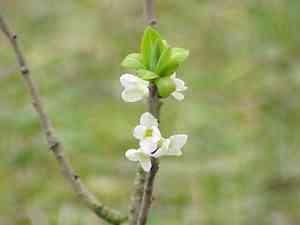
February daphne is celebrated for its vivid blossoms, a highlight in any garden. These flowers typically appear in early spring, often before leaves fully develop, creating a striking contrast against bare branches. The blooms are not only visually appealing but also attract pollinators like bees, enhancing your garden's ecological value. Their bright colors make February daphne an excellent choice for creating a focal point in your landscape design.
Height and spread dimensions
When considering February daphne for your garden, understanding its height and spread is crucial. Typically, February daphne reaches a height of 3-5 feet with a similar spread, making it a manageable size for most garden spaces. This compact form allows February daphne to be integrated into various garden designs, from small urban plots to larger rural landscapes. Its size permits versatile placement, whether as a standalone specimen or within a mixed border.
Selecting the Optimal Site for February Daphne in Your Garden
Considering sun exposure and shade requirements
The placement of February daphne must account for sun exposure and shade. February daphne flourishes in locations receiving full sun to partial shade. Ideally, a spot with morning sun and some afternoon shade will be best, as excessive afternoon sun can stress the plant. Such positioning ensures February daphne gets sufficient light for healthy growth and vibrant blooms, without risk of overheating or drying out.
Soil types and drainage necessities
Soil quality is another vital factor for February daphne's successful growth. This plant prefers well-drained soil with a neutral to slightly acidic pH. It's important to avoid waterlogged conditions, as root rot can be a significant issue for February daphne. Incorporating organic matter like compost into the soil can improve drainage and supply essential nutrients, fostering a healthier growing environment.
Spacing and interaction with neighboring plants
Proper spacing is essential when incorporating February daphne into your landscape. Allow ample room for the plant to achieve its full height and spread without overcrowding. This not only ensures healthy growth but also prevents competition for nutrients and light with adjacent plants. Additionally, consider the growth habits of surrounding plants to ensure February daphne harmonizes well within the overall garden design. Balancing these elements creates a cohesive and thriving garden space.
Integrating February Daphne with Other Landscape Design Elements
Creating visual anchors with February daphne
February daphne can be effectively utilized as a focal point in your garden. Its vibrant blooms and interesting form make it an eye-catching centerpiece. Positioning February daphne at the end of a pathway, near seating areas, or as a standalone specimen can draw attention and create a visually appealing focal point. This strategic placement enhances your garden's overall aesthetic and highlights February daphne's unique features.
Complementary flora and color palettes
When planning your garden, consider plants that complement February daphne. Pair February daphne with plants that have contrasting foliage or bloom at different times to ensure year-round interest. For instance, early-blooming bulbs or evergreen shrubs can provide a contrast to February daphne's vibrant spring flowers. Moreover, choosing a color scheme that includes both February daphne's blooms and surrounding plants can create a cohesive and visually appealing landscape.
Balancing visual appeal and ecological diversity
Incorporating February daphne into your garden design also offers an opportunity to balance aesthetics with biodiversity. By selecting companion plants that support local wildlife, you can create a garden that is both beautiful and ecologically beneficial. Native plants, in particular, can provide food and habitat for local insects and birds. This approach not only enhances your garden's visual appeal but also contributes to the local ecosystem's overall health.
Care Guidelines for Ensuring February Daphne's Robust Growth
Regular trimming and seasonal upkeep
To maintain February daphne in peak condition, regular pruning is crucial. Pruning helps preserve the plant's shape and encourages new growth, which can lead to more blooms. The optimal time to prune February daphne is in late winter or early spring before new growth commences. Additionally, promptly removing any dead or diseased branches can prevent potential issues and promote healthier growth throughout the year.
Monitoring for pests and diseases
Like any plant, February daphne can be vulnerable to pests and diseases. Regularly inspecting your plant for signs of trouble can help you address issues before they become severe. Common pests that may affect February daphne include aphids and spider mites, while diseases such as root rot can result from poor drainage. Employing organic methods, such as introducing beneficial insects or applying neem oil, can control pests without harming the environment.
Year-round observation and necessary adjustments
Continuous observation of your garden ensures February daphne's ongoing health. Throughout the year, monitor your plant for any changes in appearance or growth patterns. Adjusting care routines based on seasonal needs, such as increasing watering during dry spells or providing extra protection during harsh weather, can help February daphne thrive. Being proactive and responsive to the plant's needs will yield the best results in your landscaping efforts.



