Enhancing Your Garden Design with the Pink lady slipper Plant: A Landscaping Guide
1
Pink lady slipper flourishes in dim, adequately drained spots, ideal for forest-like garden settings.
2
Accompanying flora with differing hues and structures can amplify the allure of Pink lady slipper.
3
Appropriate seasonal maintenance guarantees Pink lady slipper stays a central attraction year-round.
Introducing Pink Lady Slipper in Garden Design
Overview of Pink Lady Slipper's aesthetic appeal
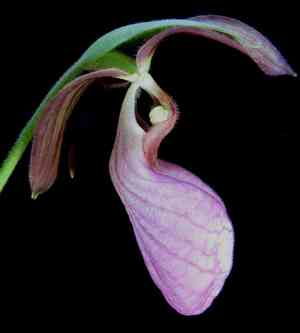
Pink Lady Slipper, often known as the Pink Lady Slipper, brings a distinct allure to any garden or outdoor space. This plant is prized for its striking blossoms, which lend an air of grace and charm. Its delicate, pouch-like flowers can instantly elevate a garden's visual appeal, offering an exotic and captivating look that's hard to overlook. Incorporating Pink Lady Slipper into your landscape design provides not only visual beauty but also a sense of natural, woodland enchantment.
The distinctiveness of Pink Lady Slipper in landscape planning
What distinguishes Pink Lady Slipper in landscape planning is its unique form and hue. This plant isn't commonly found in every garden, making it an exceptional choice for those aiming to craft a singular outdoor environment. Its rare and distinctive bloom, coupled with its specific habitat needs, can add an element of exclusivity and refinement to your landscape. Furthermore, Pink Lady Slipper's historical importance and symbolic meaning in folklore can also contribute an additional layer of depth to your garden's story.
Selecting the Optimal Site for Pink Lady Slipper
Factors for ideal placement consideration
To maximize Pink Lady Slipper's impact in your landscape, choosing the correct spot is vital. This plant thrives in shaded to partly shaded areas with well-drained, slightly acidic soil. Replicating its natural woodland environment as closely as possible will ensure its prosperity. Consider locations beneath large trees or along shaded garden paths where the soil is rich in organic matter. These conditions mimic the forest floor, providing the perfect setting for Pink Lady Slipper to flourish.
Maximizing visual impact within the garden
For a striking visual effect, arrange Pink Lady Slipper in groupings. This method not only amplifies its beauty but also creates a more naturalized appearance, as if the plants have grown spontaneously. Additionally, positioning Pink Lady Slipper at eye level, such as on elevated beds or slopes, allows for closer appreciation of its intricate flowers. The contrast of Pink Lady Slipper against a backdrop of ferns or hostas can also produce a stunning display, making the flowers stand out even more vividly.
Pairing Pink Lady Slipper with Other Flora
Choosing companion plants for Pink Lady Slipper
Selecting appropriate companion plants can enhance Pink Lady Slipper's overall charm. Plants that share similar soil and light preferences, such as ferns, hostas, and wild ginger, will thrive alongside Pink Lady Slipper. These companions not only highlight Pink Lady Slipper's unique flowers but also contribute to a cohesive and harmonious garden design. Their varied heights, textures, and green shades can create a dynamic and layered effect, drawing the eye and adding depth to the landscape.
Creating color and texture contrasts
Introducing plants with contrasting colors and textures can make Pink Lady Slipper shine even brighter. Consider pairing the delicate, pouch-shaped blooms of Pink Lady Slipper with bold, broad-leaved hostas or the feathery fronds of ferns. This contrast can emphasize the distinct characteristics of each plant, making your garden more visually appealing. Moreover, incorporating flowering plants that bloom at different times can ensure continuous interest and beauty in your garden throughout the seasons.
Seasonal Considerations for Pink Lady Slipper
Optimal seasons for planting Pink Lady Slipper
The best period to plant Pink Lady Slipper is during early spring or autumn. Planting during these cooler, wetter months allows Pink Lady Slipper to establish its root system before the stress of hot summer weather. In spring, young plants can benefit from moist soil and increasing daylight, while fall planting benefits from cooler temperatures and reduced weed competition. Both seasons offer a favorable environment for root development and overall plant health.
Seasonal care tips to enhance garden aesthetics
Seasonal upkeep is crucial for maintaining Pink Lady Slipper's best appearance. In spring, ensure plants are well-mulched to retain moisture and regulate soil temperature. During summer, monitor water levels, especially during dry spells, as Pink Lady Slipper prefers consistently moist conditions. In fall, gently clear fallen foliage to prevent disease but leave enough plant debris to insulate roots over winter. Regularly check for pests and diseases to keep Pink Lady Slipper healthy and vibrant year-round.



